As an Amazon Associate, we earn from qualifying purchases. Some links on this site are affiliate links at no extra cost to you. Our recommendations are based on thorough research and editorial judgment.


Understanding Weighted Vs Non-Weighted Keyboard Keys

Understanding the difference between weighted and non-weighted keyboard keys is essential for making the right choice! Weighted keys feel more like an acoustic piano, helping players build finger strength and expressiveness. On the other hand, non-weighted keys are lighter, perfect for fast passages and quick techniques. This affects playability and style, so considering your musical preferences is important. Each option has unique advantages, and exploring these can help musicians find their perfect fit! Curious for more details?
Key Takeaways
- Weighted keys provide a realistic feel mimicking acoustic pianos, enhancing expressive playing and developing finger strength suitable for classical music.
- Non-weighted keys are lightweight and responsive, facilitating quick execution, ideal for genres requiring speed like electronic music.
- Semi-weighted keys offer a balance between weighted and non-weighted, providing some resistance while enhancing agility for various playing styles.
- The choice between weighted and non-weighted keys significantly impacts a musician’s technique, comfort, and connection with their audience.
- Testing different key actions is crucial for personal preference and comfort, influencing the overall playing experience across musical genres.
Difference Between Weighted and Non-Weighted Keys
When exploring the world of keyboards, understanding the difference between weighted and non-weighted keys is essential for aspiring musicians. Weighted keys mimic the feel of an acoustic piano by simulating hammer action, providing resistance that enhances the play experience and supports expressive playing. They are often designed with fully weighted graded hammer action, making lower notes feel heavier, just like on an acoustic piano. On the other hand, non-weighted keys are lighter and more responsive, making them perfect for fast passages and certain styles, like electronic music. However, they may limit dynamic expression, especially in classical and jazz genres. Choosing the right type can greatly impact a player’s development and comfort during the shift to acoustic instruments. Additionally, models with Weighted keys typically offer a more authentic experience for beginners as they start their musical journey.
Playability and Technique

A key aspect of playability and technique is how the type of keyboard keys influences a musician’s development. Weighted keys imitate the feel of an acoustic piano, which helps build finger strength and refine technique. This is especially beneficial for classical pianists aiming for expressive playing. In contrast, non-weighted keys offer a lighter touch, allowing for easier execution of fast passages and trills. This can be perfect for styles that focus on speed, like pop or jazz! Shifting between weighted and non-weighted keys can enhance a musician’s adaptability and skill, as it exposes them to different key actions. Ultimately, understanding these differences can lead to a more rounded playing experience and improved performance abilities! Additionally, choosing a keyboard with durable constructions can enhance longevity and ensure it withstands heavy use, making it a worthwhile investment for musicians.
Expressive Range and Performance Applications

Understanding the expressive range of weighted versus non-weighted keys is essential for musicians aiming to enhance their performances. Weighted keys, especially those with graded weighted technology, mimic the feel of an acoustic piano, allowing for more dynamic control and nuanced classical performances. This means musicians can express emotions more effectively in pieces that demand detail, like Beethoven or Chopin. Non-weighted keyboards, on the other hand, excel in electronic music settings and enable fast passages and lively techniques, like glissandos. While they are fantastic for speed, they may lack the deep expressive range needed for heartfelt pieces. Ultimately, the choice between weighted and non-weighted keys influences how well musicians connect with their audience in various performance applications! Additionally, the material quality and durability of the keyboard stand can significantly affect the overall playing experience and instrument stability.
Weight, Portability, and Cost

Weight, portability, and cost are important factors to evaluate when choosing a keyboard. Non-weighted keyboards are typically lighter, making them easy to transport for gigs and live performances. Beginners often find them more affordable, thanks to a simpler manufacturing process. On the other hand, weighted keyboards provide an authentic playing experience but are heavier and can be less portable. This added weight may affect player comfort during long practice sessions. For those wanting a balance, semi-weighted keyboards often come at a lower cost than fully weighted ones, offering a mix of feel and affordability. Ultimately, musicians should consider what type best suits their needs, keeping portability and budget in mind! Additionally, features such as adjustable stands can further enhance comfort during performances. Happy playing!
Sound and Technical Considerations

When exploring the differences between weighted and non-weighted keyboard keys, sound and technical aspects play a significant role in deciding what fits best. Weighted keys, often found in digital pianos, replicate an acoustic piano’s feel through graded hammer action. This structure provides realistic resistance, allowing for greater dynamic control and velocity sensitivity, so every note can convey emotion. In contrast, non-weighted keyboards deliver a snappier, percussive attack, perfect for genres like electronic music that prioritize quick note execution. They also offer sound modulation features, like aftertouch, which can enhance expressiveness but might not work as well with weighted keys. Ultimately, understanding these nuances is essential for making an informed choice! Additionally, many musicians may prefer low latency monitoring to achieve better timing and responsiveness when recording performances.
Key Action Overview
Key action is an essential aspect of piano playing that influences how musicians interact with their instrument. It describes how piano keys respond to pressure, affecting resistance and bounce back. Weighted keys replicate the feel of an acoustic piano through mechanisms that simulate hammer action. This provides a more authentic playing experience. In contrast, non-weighted keys are lighter, making them great for rapid playing styles. Semi-weighted keys fall in the middle, offering some resistance while remaining easy to play. Different key action types can dramatically change an artist’s comfort and technique development, especially when moving between digital and acoustic pianos. Understanding these options can help musicians select the instrument that best suits their needs! Additionally, choosing an appropriate audio quality standard can greatly enhance the overall sound experience while playing.
Pros and Cons of Weighted Keys
Choosing weighted keys can be a game changer for piano players, especially those seeking a more authentic experience. The pros of using weighted keys include a more realistic feel, closely mimicking an acoustic piano. This feature enhances playing technique and can strengthen finger muscles. As players develop their skills, they enjoy improved dynamic control, allowing for expressive performances. However, there are some cons. Weighted keys tend to be heavier and pricier, which might not be ideal for beginners or those on the go. While beginners may find their resistance challenging, the long-term benefits like better finger strength make them worthwhile. Ultimately, weighted keys are an excellent choice for serious musicians committed to mastering their craft! Additionally, many musicians find that access to quality tutorials improves their learning process with weighted keyboards.
Recommended Products

Two super-clear OLED displays for on-stage clarity, seamless transitions when changing programs/sounds, extended Split functionality with optional crossfade, and the addition of the new Song List Mode

88-key Digital Piano with Grade-weighted Hammer-action Wooden Keys
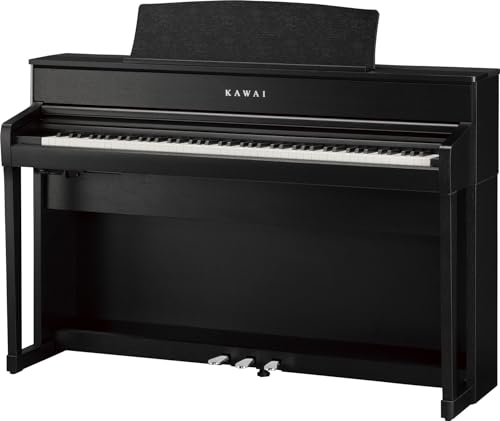
88-key Digital Piano with Grade-weighted Hammer-action Wooden Keys
Pros and Cons of Non-Weighted Keys
Though some musicians may prefer the weight and resistance of traditional piano keys, non-weighted keys offer a revitalizing alternative, especially for those just starting out. These keys provide a lighter touch, making it easier to perform fast passages and trills, which is perfect for genres that require quick movements, like pop or electronic music. They’re generally more affordable, a budget-friendly option for beginners. Plus, non-weighted keyboards are lightweight and portable, great for musicians on the go! Enhanced responsiveness allows for creative techniques, like smears and rakes. However, it’s important to note that they offer reduced control over volume and dynamics. Nonetheless, non-weighted keys can still support a wide range of dynamic expression when approached creatively. Additionally, similar to mini practice amps, non-weighted keyboards can easily be transported for spontaneous practice sessions.
Recommended Products

INTRODUCTION - WTTTOOLS portable handheld laser engraver, features a lightweight and smart design, making it easy to carry and do not limit by the space. Power: 60W. Power Supply: 333wh Lithium Battery/90V-240V, 50/60Hz. Marking Area: 150*150mm. Laser Wavelength: 1064mm. Line Width: 0.02mm. Repeat Positioning Accuracy: 0.003mm. MahcineDimensions: 12.8*8.4*11.4in. Weight: 20.7lbs. Laser Level: Class 1. Output Power: 0.39mW.
Processor - Intel Core Ultra 9 185H vPro Processor (E-cores up to 3.80 GHz P-cores up to 5.10 GHz)

➤ AMD Ryzen 7 7730U | 8-Core Power for Work & Play: Dominate multitasking with the Ryzen 7 7730U’s 8-core, 16-thread performance. Edit 4K videos while streaming on Twitch, or run CAD software alongside 50+ Chrome tabs—no lag thanks to 4.5GHz Turbo Boost and AMD Radeon graphics. Ideal for creators and gamers needing desktop-level power in a portable design.
Semi-Weighted Keys Explained
For those exploring keyboard options, semi-weighted keys present an excellent middle ground! These keys combine elements of both weighted and non-weighted systems, offering a unique playing experience. They use a spring-loaded mechanism that provides moderate resistance, giving players tactile feedback without the heaviness of fully weighted keys. This makes semi-weighted keys a fantastic intermediate option for those moving toward acoustic pianos. Models like the Nord Stage 4 and Alesis Concert 88 are great examples of keyboards featuring these keys. They enhance speed and agility for various musical styles, allowing for a versatile playing experience. However, it’s worth noting that semi-weighted keys may sacrifice some control over expression compared to fully weighted keyboards, so choose wisely! To maximize performance, sound quality features should also be considered when selecting a keyboard for practice or performance.
How to Choose the Right Key Action
When exploring the world of keyboards, the right key action can make a big difference in how music is played. If your musical goals include shifting to an acoustic piano, choosing weighted keys offers a realistic feel and builds finger strength. For those on a budget, semi-weighted options are more affordable and perfect for beginners. It’s essential to test different key actions in person to find what feels comfortable! Remember, personal preference plays a huge role. Also, consider the genre you want to play; electronic styles often benefit from semi-weighted keys for their smooth playability, while classical pieces shine with fully weighted keys. Ultimately, the right key action should align with your needs and aspirations! Moreover, many models today offer Bluetooth connectivity, which enhances the versatility and overall experience of playing digital pianos with varied features.
Learning and Adaptation Across Key Types
As musicians explore different keyboard types, adapting to both weighted and non-weighted keys can greatly enhance their overall skills. Learning on non-weighted keyboards helps beginners develop coordination and timing, while shifting to weighted keys builds finger strength and promotes expressive playing. Incorporating both types in practice can boost versatility and adaptability across various playing styles. For instance, practicing on a non-weighted keyboard allows for easier initial play, while adding weighted keys later fosters greater control and dynamics. This blend not only enriches musical expression but allows musicians to explore diverse genres. Plus, MIDI connectivity in both types supports innovative learning experiences, making practice sessions more engaging and productive. Each key type brings unique benefits, so embrace them!
Personal Preference and Playing Style
How can personal preference shape a musician’s experience with weighted and non-weighted keyboard keys? Musicians often choose based on their playing style and what feels comfortable. For those who love expressive playing, weighted keys provide a deep connection to sound, enhancing dynamics like an acoustic piano. On the other hand, non-weighted keys shine in fast-paced genres, making quick note shifts easier. Players evolving from acoustic pianos usually prefer weighted keys to support their finger strength and technique. Testing both key types is a great way to discover which aligns with individual preferences. Ultimately, it’s about how each musician connects to their instrument and enhances their unique musical expression. Keep exploring! Your perfect keys are out there!
Frequently Asked Questions
Are Weighted Keys Better on a Keyboard?
Weighted keys offer advantages like improved learning progression and sound quality impact, ideal for serious players. Conversely, non-weighted keys provide portability and budget-friendly options, benefiting casual musicians with different playing techniques and versatility.
What Is the Difference Between Weighted and Non-Weighted Keys?
Weighted keys offer a robust key feel and nuanced action types, enhancing sound dynamics and touch sensitivity essential for serious practice benefits. Conversely, non-weighted keys ignite a nimble playing experience, catering to varied performance styles and rapid execution.
Should a Beginner Get a 61 or 88 Key Keyboard?
A beginner should consider a 61-key keyboard for its portability, affordability, and ease of learning. However, an 88-key keyboard offers a wider sound variety across musical genres, beneficial for long-term skill development despite higher budget constraints.
How to Know if Keyboard Keys Are Weighted?
To determine if keys are weighted, examine key types and touch response. A heavier feel enhances playing experience and sound quality, aiding practice techniques and performance settings, aligning with user preferences for realism and expressiveness.


