As an Amazon Associate, we earn from qualifying purchases. Some links on this site are affiliate links at no extra cost to you. Our recommendations are based on thorough research and editorial judgment.


3 Best Two-Channel Audio Interfaces for Outstanding Sound Quality

If you’re looking to boost your sound quality, check out the Behringer UMC202HD for its exceptional clarity, the M-AUDIO M-Track Duo for its portable design, or the TONOR TX510 for professional sound on the go. Each interface offers combo inputs, zero-latency monitoring, and great software compatibility! They’re perfect for musicians, podcasters, or anyone needing quality audio. Discover which one fits your needs best and reveal your full audio potential!
Key Takeaways
- Behringer UMC202HD offers 24-Bit/192 kHz converters for exceptional audio detail and Midas-designed preamps for superior sound quality.
- M-AUDIO M-Track Duo features Crystal Preamps and zero-latency monitoring, ensuring high-quality recordings and seamless audio performance.
- TONOR Audio Interface TX510 provides studio-quality audio reproduction and easy real-time mixing through MONO and LOOP BACK buttons for enhanced sound clarity.
- Look for two combination XLR/TRS inputs for flexibility in connecting various microphones and instruments across different interfaces.
- Zero-latency direct monitoring improves recording efficiency, allowing instant audio feedback for more precise sound quality during sessions.
Behringer UMC202HD Audiophile USB Audio Interface

Behringer UMC202HD Audiophile 2x2, 24-Bit/192 kHz USB Audio Interface with Midas Mic Preamplifiers...
- STUDIO IN A BLACK BOX: When it’s time to make recording history on your Mac or Windows computer, plug in microphones, instruments or line level sources to the...
- MIDAS - THE LEGEND IN SOUND QUALITY: Born in the 1970s, Midas has a long history of innovation in the world of audio mixing. Employed world-wide by the most famous...
- “ZERO-LATENCY” MONITORING: The UMC202HD allows zero-latency direct monitoring, which means musicians can experience their performance clearly – with no delay or lag...
If you’re a singer, songwriter, or musician looking to record high-quality audio at home or in the studio, the Behringer UMC202HD Audiophile USB Audio Interface is a fantastic choice! This device offers two combination XLR/TRS inputs for your microphones and instruments, plus Midas-designed preamps with +48V phantom power. It captures every note in stunning detail, thanks to its 24-Bit/192 kHz converters. You’ll appreciate the zero-latency monitoring, making your recording process smooth and efficient. Whether you’re jamming live or tracking vocals, this interface works seamlessly with popular software like Pro Tools and Ableton Live. It’s a must-have for any serious musician!
Best For: Musicians, singers, and songwriters seeking a high-quality, user-friendly audio interface for home or studio recordings.
Pros:
- High-resolution 24-Bit/192 kHz converters ensure superior audio quality.
- Midas-designed preamps with +48V phantom power are ideal for condenser microphones.
- Zero-latency direct monitoring allows for an efficient recording process.
Cons:
- Limited to two inputs, which may not be sufficient for larger setups.
- USB 2.0 connectivity might be slower compared to newer USB standards.
- Some users may find the build quality less robust compared to higher-end models.
M-AUDIO M-Track Duo USB Audio Interface for Recording and Podcasting
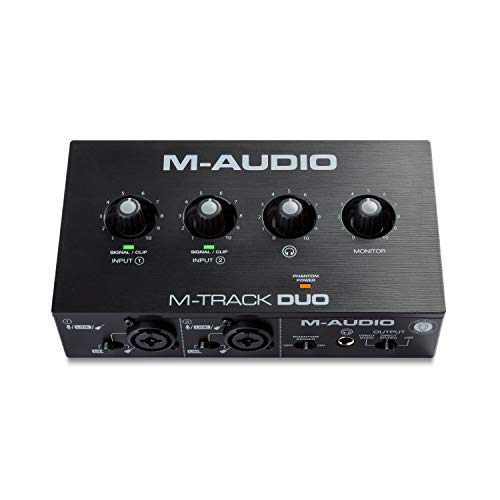
M-AUDIO M-Track Duo USB Audio Interface for Recording, Streaming and Podcasting with Dual XLR, Line...
- Podcast, Record, Live Stream, This Portable Audio Interface Covers it All - USB sound card for Mac or PC delivers 48kHz audio resolution for pristine recording every time
- Be ready for anything with this versatile M-AUDIO interface - Record guitar, vocals or line input signals with two combo XLR / Line / Instrument Inputs with phantom power
- Everything you Demand from an Audio Interface for Fuss-Free Monitoring - 1/4" headphone output and stereo 1/4" outputs for total monitoring flexibility; USB/Direct switch...

The M-AUDIO M-Track Duo USB Audio Interface is perfect for anyone wanting to plunge into the world of recording, streaming, or podcasting without breaking the bank! This compact interface offers two combo inputs for mics and instruments, along with fantastic Crystal Preamps for clear sound. You’ll love the direct monitoring feature, allowing you to hear yourself with zero latency! It works seamlessly with devices like your laptop or smartphone, and comes with great software like MPC Beats and Ableton Live Lite. Weighing only 12.7 ounces, it’s incredibly portable, making it easy to take your creativity anywhere!
Best For: Creators looking for a budget-friendly, portable audio interface for recording, streaming, or podcasting.
Pros:
- Compact and lightweight design, making it easy to transport for on-the-go recording.
- High-quality audio resolution of 48 kHz with transparent Crystal Preamps for optimal sound.
- Includes software packages like MPC Beats and Ableton Live Lite, enhancing the user experience.
Cons:
- Limited audio resolution compared to higher-end models, which may not meet professional studio standards.
- Only two inputs available, which might not be sufficient for larger setups or multiple performers.
- Build quality may feel less robust, which could be a concern for heavy users or frequent transport.
TONOR Audio Interface for Recording (TX510 Black)

TONOR 2O2 Audio Interface for Recording, USB Audio Mixer for Podcasting, 2 XLR&6.35mm Channel Sound...
- Ultimate Pursuit of Audio Quality: We are dedicated to bringing outstanding studio-grade sound quality into your everyday life. Through the latest audio technology, the...
- Innovation & Classics Coexist: The TX510 audio mixer features a unique exterior design that combines fashion and functionality. Surrounding the control area are vibrant...
- Efficient Multi-Input Design: The TX510 podcast mixer features 2 high-quality XLR & 6.35mm combo inputs for simultaneous connection of two audio devices. It has an INST...
Looking to take your recording skills to the next level? The TONOR TX510 Black Audio Interface is perfect for you! It offers studio-quality audio reproduction, ensuring your recordings sound clear and professional. With two high-quality combo inputs, you can connect multiple devices, making it great for podcasts or streaming. The MONO and LOOP BACK buttons are super handy for real-time mixing and switching between modes. Plus, its user-friendly design and clear indicator lights make operation a breeze. Compatible with most devices and systems, this audio interface is ready for all your creative projects! Don’t miss out on enhancing your sound quality!
Best For: The TONOR TX510 Black Audio Interface is best for podcasters, streamers, and musicians looking to achieve high-quality audio recordings.
Pros:
- Studio-quality audio reproduction ensures clear and professional sound.
- Dual combo inputs allow for easy connection of multiple devices.
- User-friendly design with clear indicator lights for efficient operation.
Cons:
- Limited to two inputs, which may not suffice for larger setups.
- Heavier than some other portable audio interfaces.
- Some users may find the pricing slightly above entry-level options.
Factors to Consider When Choosing an Audio Interface Two Channel

When you’re picking a two-channel audio interface, it’s important to think about a few key factors. Consider audio quality, the input options available, and how well it fits with your software. You’ll also want to check out monitoring capabilities, portability, and design—these can make a big difference in your recording setup!
Audio Quality Standards
Choosing the right audio interface can make a huge difference in your recordings! First, look for at least 24-bit/48 kHz resolution—this helps guarantee high-quality sound. If you’re aiming for professional-grade audio, consider options that offer higher sampling rates, like 192 kHz, for more detail and fidelity. Next, check the quality of the preamps; high-quality preamps improve clarity, especially with condenser microphones. Don’t overlook zero-latency monitoring—this feature lets you hear your performance in real time, which is essential for capturing that perfect take! Finally, high-resolution digital-to-analog converters (DACs) greatly enhance sound quality in both recording and playback. By keeping these factors in mind, you’ll elevate your audio experience notably!
Input Options Available
High-quality audio recordings don’t just come from great gear; they also depend on how you connect everything together! When choosing your audio interface, look for multiple input options. Think about combination XLR/TRS inputs that let you plug in both microphones and instruments seamlessly. Want to record vocals? Pick one with phantom power to use your condenser mic effectively! Also, dedicated instrument inputs can optimize gain for guitars, giving you that perfect sound. Plus, the ability to select between mono and stereo output modes adds flexibility for recording different sound sources. Finally, don’t overlook dual-device connectivity options, which allow simultaneous recording of multiple inputs—ideal for musicians and content creators alike. Choose wisely, and your recordings will shine!
Monitoring Capabilities
Monitoring your audio is a crucial part of the recording process, especially if you want to achieve professional results! To get the best sound, choose an audio interface with effective monitoring capabilities. Look for zero-latency direct monitoring features; this way, you can hear your recordings instantly, without annoying delays. Adjustable monitoring controls allow you to mix direct input signals with playback from your software, giving you better control. Don’t forget quality matters too! High-quality headphone outputs guarantee you hear every detail clearly. Specialized monitoring buttons or switches can help you toggle between different modes, like mono and stereo outputs, making your work smoother. With the right tools, you’ll definitely elevate your recording experience!
Software Compatibility
When you immerse yourself in the world of audio interfaces, you’ll quickly find that software compatibility is a big deal! It’s essential to guarantee your audio interface works with the software you plan to use. Popular DAWs like Avid Pro Tools, Ableton Live, and Steinberg Cubase often pair seamlessly with many audio interfaces, boosting your recording experience. Don’t forget to check the operating system compatibility, too. Some models only support specific versions of Windows or macOS. Plus, many interfaces come bundled with useful software applications, adding value right off the bat! If you’re into mobile recording, look for an interface that connects easily to tablets. This way, you can expand your recording and streaming setups without a hitch!
Portability and Design
Finding the right two-channel audio interface can make all the difference, especially when you’re on the move! You’ll want to think about the weight and size—lightweight and compact designs make traveling easier for musicians and podcasters alike. Look for a streamlined interface that sets up quickly, whether you’re in a studio, at a gig, or in a coffee shop. Make sure the controls are accessible, too; clear labels on knobs and buttons can save you time during those vital recording sessions. Also, a sturdy build will keep it safe from the bumps of travel. Finally, features like integrated headphone outputs and monitoring capabilities can enhance your experience without needing extra gear. Easy, right?
Price vs. Features
Understanding the balance between price and features can be essential in choosing the right two-channel audio interface! When you look at price, consider audio resolution first. Higher resolutions, like 24-Bit/192 kHz, usually provide better sound but can cost more. Features like phantom power for mics or zero-latency monitoring may justify paying extra, especially for specific recording needs. Also, think about compatibility with your favorite software; interfaces that work with a variety of programs might give you more bang for your buck. Don’t forget to check customer reviews—real-world experiences can really help you judge quality. Finally, a compact and portable design is a plus but may come at a premium, making it perfect for musicians on the move!
Frequently Asked Questions
What Is the Ideal Cable Type for Connecting an Audio Interface?
The ideal cable type for connecting your audio interface is an XLR or TRS cable. XLR cables are great for microphones, providing balanced connections that reduce noise. TRS cables are perfect for instruments or line-level signals. Make sure you choose cables that are the right length for your setup! Good quality cables can make a noticeable difference in sound clarity, so don’t skimp on them! Enjoy connecting and creating amazing sounds!
Can I Use an Audio Interface With a Smartphone?
Yes, you can use an audio interface with a smartphone! It’s a great way to improve your sound quality when recording or playing music. Just make sure to get a compatible interface, like ones with USB-C or Lightning connectors. You’ll also need an app that supports audio interfaces. Think of it as giving your phone a tiny upgrade; the sound will be clearer and richer, enhancing your music experience dramatically! Go ahead and try it!
How Do I Troubleshoot Latency Issues With My Audio Interface?
To troubleshoot latency issues with your audio interface, first, lower the buffer size in your software settings. Adjust it gradually, finding a balance between performance and sound quality. Next, close any unnecessary applications running in the background; they can suck up processing power. Use wired headphones instead of Bluetooth, which can add delay. Finally, keep your drivers updated to make sure everything runs smoothly. You’re on your way to better sound!
Are Two-Channel Interfaces Suitable for Live Performances?
Two-channel interfaces can work great for live performances. They’re portable and often easy to set up, making them perfect for gigs. You can connect a microphone and an instrument simultaneously, allowing you to mix sounds on the fly. Plus, many offer quality preamps, which can really enhance your audio. Just make sure you choose one that matches your setup, and you’re ready to rock! Don’t hesitate; get out there and perform!
What Recording Software Is Compatible With Most Audio Interfaces?
Most audio interfaces work well with popular recording software like GarageBand, Audacity, and Ableton Live. These programs are user-friendly, making them perfect for beginners and skilled musicians alike! You can easily connect your interface and start recording. Pro Tools and Logic Pro X are also great options if you’re looking for more advanced features. Experiment with different software, and you’ll find the one that fits your creative style best! Don’t hesitate to plunge into!


