As an Amazon Associate, we earn from qualifying purchases. Some links on this site are affiliate links at no extra cost to you. Our recommendations are based on thorough research and editorial judgment.


The 5 Best Ear Training Workbooks to Sharpen Your Musical Skills

Looking to sharpen your musical skills? Check out “Music for Ear Training: CD-Rom and Workbook,” or “Piano Adventures: Theory Book – Level 1.” You might love “Essential Ear Training for Today’s Musician Workbook” for hands-on practice. For a thorough approach, try “The Musician’s Guide: Workbook and Ear-Training” or “L63 – Excellence In Theory – Book 3.” These workbooks focus on pitch, rhythm, and application, helping you become a better musician! There’s plenty more to explore!
Key Takeaways
- Select workbooks that progressively build aural skills like interval recognition and rhythmic reading through step-by-step exercises.
- Look for content variety that includes pitch recognition, dictation, and engages multiple music genres for better retention.
- Ensure compatibility with different learning styles by incorporating hands-on activities, auditory exercises, and interactive components for motivation.
- Focus on workbooks that connect aural skills with music theory, offering practical applications for real performance situations.
- Choose authors with strong credentials, practical experience, and positive endorsements from educators or professionals for credibility.
Music for Ear Training: CD-Rom and Workbook
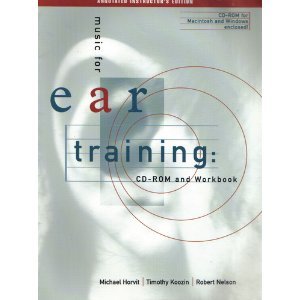
If you’re serious about improving your ear training and listening skills, the “Music for Ear Training: CD-Rom and Workbook” is a fantastic choice for you! This extensive resource mixes a workbook filled with practical exercises and a supportive CD, making learning both exciting and effective. You’ll tackle basics like intervals and chords while also exploring melodies and four-part harmonies. With various MIDI instrumental sounds, listening becomes more engaging. Plus, the user-friendly CD-ROM helps you navigate seamlessly. Whether you’re a beginner or looking to sharpen your skills, this product can greatly boost your musical abilities and confidence!
Best For: This product is best for music students and enthusiasts looking to enhance their ear training and listening skills effectively.
Pros:
- Comprehensive resource that combines both workbook exercises and a supportive CD for a well-rounded learning experience.
- Engaging learning experience with varied MIDI instrumental sounds that make practice sessions enjoyable.
- User-friendly interface on the CD-ROM, allowing for easy navigation and use.
Cons:
- May be too basic for advanced musicians seeking more challenging ear training exercises.
- The reliance on MIDI sounds may not fully replicate live instrument nuances.
- Some users might prefer a fully digital experience over a combination of physical workbook and CD.
Piano Adventures: Theory Book – Level 1
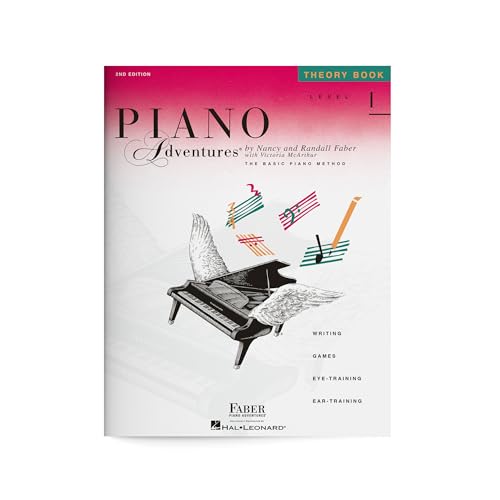
Piano Adventures: Theory Book - Level 1, 2nd Editon | Beginner Piano Theory Workbook | Music Note...
- The Theory Book is Designed to be Used in Conjunction with the Other Books in Level 1
- Arranged for Piano
- Standard Notation

Looking for a way to boost your child’s music skills? The Piano Adventures: Theory Book – Level 1 is a fantastic choice! Designed for young beginners, this engaging workbook helps develop music reading and rhythm skills. Your child will enjoy activities like StoryRhymes, rhythm drills, and fun pattern games that link to their Level 1 Lesson Book. They’ll grasp concepts like note-naming and keyboard recognition in a playful way. This book builds confidence and independence, making practice enjoyable. Plus, teachers love its organized design! Trust this resource to inspire a lifelong love for learning and playing music!
Best For: Young beginners looking to develop music reading and rhythm skills in a fun and engaging way.
Pros:
- Engaging activities like StoryRhymes and rhythm drills make learning enjoyable.
- Structured design aids teachers in instruction and helps build student confidence.
- Promotes independence through creative engagement and repetition.
Cons:
- May require parental or teacher assistance for younger children.
- Focuses primarily on beginners, which might not cater to more advanced students.
- Limited to Level 1 concepts, requiring additional resources for further progression.
Essential Ear Training for Today’s Musician Workbook
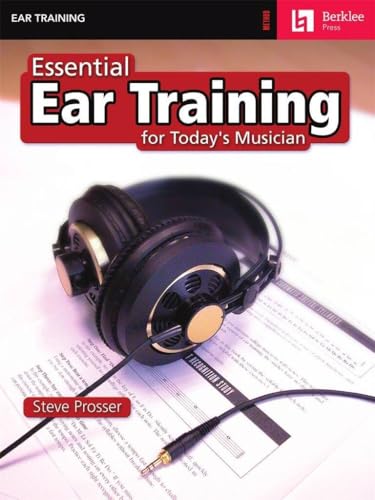
Essential Ear Training for Today's Musician
- 144 Pages
- Author: Steve Prosser
- Publisher: Berklee Press Publications
The “Essential Ear Training for Today’s Musician Workbook” by Steve Prosser is an outstanding choice for students, educators, and performers enthusiastic to sharpen their aural skills! This thorough workbook presents Berklee’s complete aural skills curriculum, helping you enhance your listening, reading, and writing abilities. You’ll immerse yourself in exercises in solfège, rhythmic reading, and melodic dictation. Plus, it teaches you to hear what you see and write what you hear! Whether you’re a student or a teacher, this resource is perfect for structured learning and building a solid foundation in harmony, phrasing, and musical vocabulary. Engage and discover your musical potential!
Best For: Students, educators, and performers looking to improve their aural skills and foundational musicianship.
Pros:
- Comprehensive coverage of Berklee’s aural skills curriculum, ensuring a well-rounded understanding of music.
- Includes a variety of progressive exercises in solfège, rhythmic reading, interval recognition, and more, catering to different learning styles.
- Ideal for use in both classroom settings and private study, making it a versatile tool for all musicians.
Cons:
- May require additional resources or guidance for complete beginners unfamiliar with musical concepts.
- Some exercises may be challenging for those without prior experience, potentially leading to frustration.
- The workbook format may not be suitable for all learners who prefer digital or interactive methods of study.
The Musician’s Guide: Workbook and Ear-Training
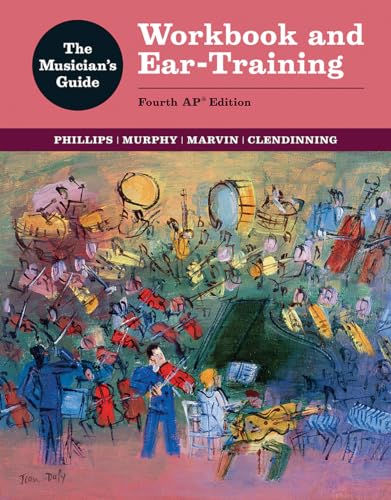
Music students enthusiastic to strengthen their ear training skills will find “The Musician’s Guide: Workbook and Ear-Training” to be an invaluable resource! This workbook blends aural skills with music theory, perfect for those prepping for the AP® Music Theory exam. You’ll discover a multitude of practical exercises that reinforce what you learn. Contextual listening questions prepare you for the real exam, making you confident and ready to tackle aural skills questions. Plus, each chapter aligns with the theory textbook, linking concepts seamlessly. Immerse yourself and watch your understanding and skills soar as you practice and improve!
Best For: Music students preparing for the AP® Music Theory exam who want to enhance their aural skills alongside music theory knowledge.
Pros:
- Provides a comprehensive mix of aural skills and theoretical concepts tailored for the AP® curriculum.
- Includes contextual listening questions that prepare students for the aural skills section of the exam.
- Reinforces learning through practical exercises that create a seamless connection between theory and practice.
Cons:
- May be too focused on AP® exam preparation, limiting broader musical application for some students.
- The workbook format may not suit all learning styles, particularly those who prefer theoretical learning without practical application.
- Potential reliance on the accompanying theory textbook could be a drawback for students without access to it.
L63 – Excellence In Theory – Book 3 (Music Theory Workbook)

If you’re enthusiastic to dive deeper into music theory and sharpen your ear, L63 – Excellence In Theory – Book 3 is a fantastic choice! This workbook introduces advanced concepts like time signatures, triads, and harmonizing melodies. You’ll even learn to compose short pieces by the end! With integrated ear training exercises, you can practice your skills in real contexts, reinforcing what you learn. Plus, the historical context connects music to social events, enriching your understanding. Don’t miss the colorful timeline showcasing composers—it’s a quick reference and great motivation! Grab this workbook to elevate your musical journey!
Best For: Aspiring musicians and advanced music students looking to deepen their understanding of music theory and improve their ear training skills.
Pros:
- Comprehensive learning: Covers advanced concepts like time signatures, triads, and chord progressions.
- Integrated ear training: Reinforces theoretical knowledge with practical exercises for real-world application.
- Engaging historical context: Connects music with social events, enhancing overall comprehension and appreciation.
Cons:
- Advanced content: May be challenging for beginners without a solid foundation in music theory.
- Workbook format: Requires self-discipline and motivation to complete exercises independently.
- Limited hands-on guidance: Lacks direct instructional support, relying primarily on self-study.
Factors to Consider When Choosing an Ear Training Workbook
When you’re picking an ear training workbook, consider a few important factors! Think about what skills you want to develop, whether the content covers a variety of topics, and if it fits your learning style. You’ll also want to check how practical the exercises are and the author’s background—these details can really impact your progress!
Target Skill Development
Choosing the right ear training workbook is essential to developing your musical skills effectively! First, think about the aural skills you want to focus on, like interval recognition or rhythmic reading. You’ll want a workbook that meets your specific goals. Next, decide if you need a foundational approach or if you’re ready for something more advanced. A good workbook will also have progressive exercises, helping you build skills step by step! It’s even better if it includes integrated exercises to connect theory with real music. Finally, look for additional features like contextual listening questions or historical insights; these can make your learning experience richer and more enjoyable. With the right workbook, you’re setting yourself up for success!
Content Variety Offered
To get the most out of your ear training workbook, you’ll want one that offers a variety of content! Look for exercises that cover pitch recognition, interval identification, and rhythm practice, since these are key to developing your aural skills. Incorporating different music genres and styles will keep things engaging and relatable. You’ll also benefit from practical dictation exercises, which help you learn to transcribe melodies and harmonies effectively. A workbook with progressive difficulty levels can make your learning experience smoother, allowing you to build skills without feeling overwhelmed. Finally, mix in some theoretical concepts with those listening exercises to reinforce what you’re learning. With diverse content, you’ll sharpen your musical abilities and keep the process fun!
Learning Style Compatibility
Finding the right ear training workbook that matches your learning style can make a big difference in your progress! If you’re a kinesthetic learner, choose a workbook that emphasizes hands-on activities. If you learn better by listening, look for resources with auditory exercises. You’ll grasp concepts faster! For visual or logical learners, workbooks that include diagrams and clear explanations can be super helpful. Additionally, check for interactive components like quizzes or games to keep your motivation high. These can make studying feel less like work and more like fun. Remember, blending these elements helps guarantee you’re engaged and learning effectively, so consider what really resonates with you as you choose your ear training resource!
Practical Application Focus
Before diving into ear training workbooks, consider the practical application focus they offer! Workbooks with this focus help you translate theory into real-world music scenarios, making you a better musician. Look for exercises that connect aural skills with music theory; this will deepen your understanding and improve your ability to apply what you hear to written music. It’s also essential to include a variety of musical styles to diversify your listening skills and make you more adaptable. Additionally, workbooks that include hands-on practice, like melodic dictation and interval recognition, really boost retention. Ultimately, seek out resources that prepare you for real performance situations—this way, you’ll walk into assessments feeling confident and ready!
Author Credentials and Reputation
When choosing an ear training workbook, the author’s credentials and reputation are key factors to evaluate! First, look for authors with degrees in music education or experience teaching at well-known institutions. This often indicates solid expertise in ear training techniques. Next, consider their reputation—if educators or professionals endorse the workbook, it’s a great sign of effectiveness. Check if they’ve published works or contributed to music journals. These achievements enhance their credibility! Also, authors with practical experience as performers or educators can connect theory to real-world applications. Ultimately, recognition through awards in music education highlights the author’s impact. Overall, taking these steps will help you find a reliable and effective ear training workbook!
Frequently Asked Questions
What Age Group Is Best Suited for These Workbooks?
These workbooks suit a variety of age groups, particularly kids and teens aged 10 to 18. They’re great for beginners who want to build listening skills, or for those looking to enhance their musical knowledge. You’ll find exercises that cater to different abilities, making it easy to learn at your own pace. Whether you’re a student or simply passionate about music, you’ll get valuable insights and practice through engaging activities!
How Can I Assess My Progress Using These Workbooks?
To assess your progress using those workbooks, try keeping a journal. Write down what you practice each day, like identifying intervals or rhythms. After a week, review your notes—see what you’ve improved and what still needs work. You could also take a few quizzes from the workbook to measure changes in your skills. Celebrating small victories along the way’ll keep you motivated! Remember, progress takes time, so enjoy the journey!
Are These Workbooks Suitable for Self-Taught Musicians?
Yes, these workbooks are perfect for self-taught musicians! They’re designed to meet your needs, whether you’re just starting or looking to sharpen existing skills. You’ll find exercises on intervals, chords, and melodies. Plus, they often include solutions, making it easy to check your progress. So, immerse yourself! Challenge yourself and see how much you can improve. Who knew learning could be so rewarding? Your musical journey just got a lot more exciting!
Do Any of These Workbooks Come With Online Resources?
Yes, many of these workbooks include online resources! Some offer downloadable practice exercises, video lessons, and interactive quizzes to enhance your learning. For example, you might find online audio samples to help you with interval recognition or rhythm exercises. These extra materials make it easier to stay engaged and improve your skills. So, you’ll have plenty of tools at your fingertips to support your musical journey. Immerse yourself and explore!
How Often Should I Practice With These Workbooks for Best Results?
You should practice with the workbooks regularly for the best results! Aim for at least 20 to 30 minutes, three to five times a week. This routine helps build your skills faster and keeps your mind engaged. If you want to mix it up, try focusing on different areas each session—like rhythms one day and melodies the next. Remember, consistent practice is key to mastering ear training and having fun while you learn!


