As an Amazon Associate, we earn from qualifying purchases. Some links on this site are affiliate links at no extra cost to you. Our recommendations are based on thorough research and editorial judgment.


10 Best Harmonica Instruction Guides for Every Skill Level – Get Playing Today

If you’re enthusiastic to play the harmonica, there are plenty of great guides for every skill level! Try “The Complete Harmonica Playing Guide” for mastering key techniques or “Harmonica for Kids” to make learning fun. “How to Play the Harmonica for Beginners” provides easy steps and essential tips, while “Absolute Beginners Harmonica Sheet Music Songbook” offers songs to practice. These resources can help you build your skills and keep you motivated, so let’s get started!
Key Takeaways
- “How To Play Harmonica: A Complete Guide for Absolute Beginners” is perfect for those starting their harmonica journey with easy instructions.
- “Harmonica for Kids” offers engaging lessons with popular songs, making it ideal for children aged 3 and up.
- “The Complete Idiot’s Guide(R) to Playing the Harmonica” covers diverse techniques suitable for beginners and intermediate players across various genres.
- Audio tracks and online resources enhance learning, making practice more enjoyable and providing opportunities for real-time feedback.
- Structured methodologies in guides ensure clear progression, focusing on essential techniques, music theory, and practice resources tailored to skill levels.
How to Play the Harmonica: Step-by-Step Instruction and Practice Songs


If you’ve ever wanted to plunge into the world of harmonica playing, you’re in the right place! To get started, you’ll want to choose between the diatonic and chromatic harmonicas. Both have unique features, and each offers practical instruction. Next, practice holding the harmonica correctly; this is essential for good sound. Learn how to read music, too; it’ll help you understand your favorite songs! Explore different playing styles, such as 12-bar blues and straight harp. Finally, check out practice materials focused on blues and rock. With these resources, you’ll truly enhance your harmonica skills and enjoy this musical journey!
Best For: Beginners and intermediate players looking to improve their harmonica skills and explore different playing styles.
Pros:
- Comprehensive: Includes step-by-step instructions and a variety of practice materials to cater to different skill levels.
- Variety of Styles: Covers multiple playing techniques such as 12-bar blues and cross harp, appealing to various musical preferences.
- Genre Focused: Emphasizes practice songs in popular genres like blues and rock, making learning enjoyable and relatable.
Cons:
- Limited to Two Types: Primarily focuses on diatonic and chromatic harmonicas, potentially overlooking other harmonica variants.
- Assumed Musical Knowledge: May require some prior knowledge of music reading, which could be challenging for complete novices.
- Not Comprehensive for Advanced Players: May lack in-depth material for advanced techniques and styles beyond the basics.
The Complete Harmonica Playing Guide: Mastering the Diatonic Harmonica

Release your musical potential with “The Complete Harmonica Playing Guide: Mastering the Diatonic Harmonica“! This guide, by Olaf Böhme, is perfect for both beginners and seasoned players wanting to refine their skills. You’ll learn essential techniques like bending, tongue blocking, and overblowing with easy-to-follow steps. Each section illustrates techniques through popular song excerpts, making practice fun and relevant. Immerse yourself in a rich song collection covering genres from blues to traditional Irish music, ensuring something for everyone. Plus, with online audio tracks and QR codes, you’ll have convenient practice tools ready to enhance your learning experience. Get started today!
Best For: This guide is best for beginners and experienced players looking to master the diatonic harmonica.
Pros:
- Comprehensive coverage from basic to advanced techniques.
- Practical application through song excerpts, making learning enjoyable.
- Access to online audio tracks and practice aids enhances the learning experience.
Cons:
- May be overwhelming for absolute beginners due to the range of content.
- The focus on diatonic harmonica may not cater to those interested in other types.
- Some users might prefer video tutorials over written instructions for techniques.
Harmonica for Kids: How to Play, Master the Basics, and Blow the Blues Away
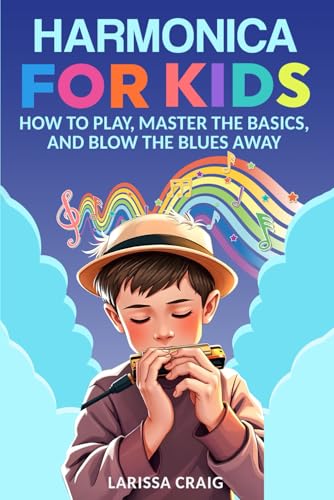
Kids love music, and the harmonica is a fantastic choice for introducing them to the world of playing an instrument! It’s super easy to learn and perfect for expressing their creativity. Start with simple instructions on how to hold and play, then immerse yourself in fun songs like “Mary Had a Little Lamb” and “Twinkle, Twinkle Little Star.” You can even jazz it up by learning tricks like bending notes and adding chords! Plus, exploring its cool history, like its role in blues and rock music, makes it even more exciting. Get ready to have fun, impress your friends, and enjoy making music!
Best For: Children looking to explore music and learn to play an instrument easily and expressively.
Pros:
- Fun and engaging: Offers kid-friendly instructions and enjoyable songs that make learning fun.
- Builds creativity: Encourages self-expression through music, allowing children to explore their artistic side.
- Educational value: Aids in developing musical skills while providing historical context about the harmonica’s role in music genres like blues and rock.
Cons:
- Limited advanced techniques: Focuses primarily on beginners, which may not cater to those seeking advanced harmonica skills.
- Requires regular maintenance: Needs consistent care and cleaning to ensure optimal performance, which can be a hassle for some.
- Might not appeal to all children: Some kids may prefer other instruments or musical styles, limiting their interest in harmonica.
Playbook – Learn to Play Harmonica: A Handy Beginner’s Guide!

Are you ready to immerse yourself in the world of harmonica playing? The “Playbook: Learn to Play Harmonica” is your handy guide for beginners, measuring just 2-3/4 x 4 inches—perfect for on-the-go learning! With 80 pages packed with essential info, you’ll quickly grasp how to hold your instrument, breathe properly, and keep the beat. As you progress, it introduces advanced techniques like trills and wah, all paired with fun tunes! Plus, a glossary helps clarify terms, while a listening list inspires you with professional sounds. Immerse yourself, explore, and enjoy making music like never before! You’ve got this!
Best For: beginners and those looking for a quick reference tool to enhance their harmonica practice sessions.
Pros:
- Compact size makes it easy to carry and reference anytime.
- Covers a wide range of techniques from basics to advanced levels.
- Includes a glossary and listening list for better understanding and inspiration.
Cons:
- Limited to 80 pages, which may not cover in-depth topics.
- May not cater to advanced players looking for expert-level techniques.
- Smaller print may be challenging for those with vision issues.
Harmonica for Kids: Easy and Fun Guide to Learning Harmonica

Looking for a fantastic way to introduce your little ones to the world of music? The “Harmonica for Kids” guide is perfect! Designed for ages 3 and up, this fun resource helps kids discover the joys of playing diatonic and chromatic harmonicas. Not only does it boost confidence and creativity, but it also encourages discipline and focus. With vibrant history lessons, easy breathing exercises, and hand techniques, your child will learn music theory and play popular songs like “Twinkle Twinkle Little Star” in no time. So, why wait? Grab a harmonica and let the music-making begin!
Best For: This guide is best for children aged 3 and up who want to explore the world of music through the harmonica.
Pros:
- Encourages a love for music and helps develop valuable skills like discipline and focus.
- Provides a wide variety of songs to learn, appealing to kids and parents alike.
- Includes engaging lessons on music theory, hand techniques, and breathing exercises.
Cons:
- May require adult supervision and assistance for younger children to fully understand the concepts.
- The learning curve for playing specific songs might be challenging for some beginners.
- Limited to diatonic and chromatic harmonica, which may restrict those wanting to explore other instruments.
How to Play the Harmonica for Beginners: The Ultimate Guide

If you’ve ever been curious about picking up a fun and portable instrument, the harmonica is an excellent choice! Start by choosing the right type, like a diatonic for beginners. Hold it firmly but comfortably, and focus on breathing in and out to create clear notes. Once you’ve mastered single notes, try tongue blocking for varied sounds! Practice easy songs and simple melodies to build your skills. Don’t forget about maintenance—keeping your harmonica clean will help it last! Aim for 15-20 minutes of daily practice, and soon you’ll feel confident playing and exploring different genres! Happy harmonica playing!
Best For: Beginners looking for a fun and portable instrument to start their musical journey.
Pros:
- Easy to learn: The harmonica has simple techniques that make it accessible for beginners.
- Portable: Its small size allows you to take it anywhere and practice on the go.
- Versatile: Suitable for various genres like blues, rock, and pop, giving players many styles to explore.
Cons:
- Limited range: Compared to other instruments, harmonicas have a limited range of notes.
- Requires maintenance: Regular cleaning is necessary to maintain sound quality and longevity.
- Learning curve for advanced techniques: Mastering skills like bending notes might take time and practice.
How To Play Harmonica: A Complete Guide for Absolute Beginners

For anyone curious about picking up the harmonica, “How To Play Harmonica: A Complete Guide for Absolute Beginners” is a fantastic choice! Written by professional musician Ben Parker, this guide is perfect for you, no matter your age. It features easy-to-follow instructions and fun exercises that let you learn at your own pace. You’ll get practical tips on reading music notes and play enjoyable songs. Plus, with step-by-step lessons, you’ll find learning fast and fun. With over ten years of teaching experience, Ben knows how to make music accessible. So, grab your harmonica and start playing today!
Best For: Absolute beginners of all ages looking to learn how to play the harmonica easily and enjoyably.
Pros:
- Easy-to-follow instructions and illustrations make learning accessible for everyone.
- Fun and simple exercises paired with practical tips enhance the learning experience.
- Step-by-step lessons ensure a fast and enjoyable learning process.
Cons:
- May not provide advanced techniques for experienced players looking to improve.
- Limited coverage on music theory beyond basic understanding.
- Some readers may prefer a more structured curriculum rather than self-paced learning.
Harmonica for Kids – A Beginner’s Guide
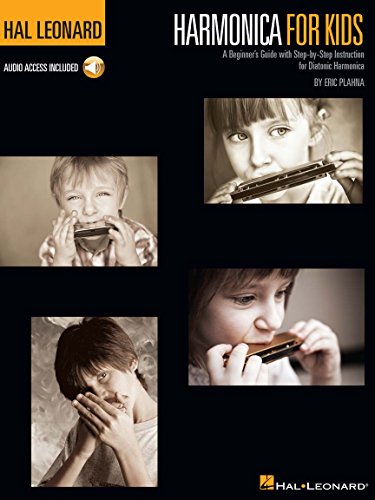
Harmonica for Kids by Eric Plahna | Beginner Diatonic Harmonica Method with Online Audio | Step by...
- Book/Online Audio
- Pages: 32
- Instrumentation: Harmonica
Kids love music, and the “Harmonica for Kids” guide is the perfect way to introduce them to the joy of playing! This beginner-friendly course helps kids learn on their own or with a parent. It uses a simple layout that covers essential skills like hand position and basic chord playing. With over 30 fun songs, including “Happy Birthday” and “Jingle Bells,” they’ll stay engaged and excited! Plus, you’ll find online audio tracks for play-along practice. The interactive lessons make learning enjoyable, and your young musician will be playing their favorite tunes in no time! Let the music begin!
Best For: Children who are eager to learn how to play the diatonic harmonica, either independently or with the help of a parent or teacher.
Pros:
- Engaging course format with over 30 popular songs to keep kids motivated.
- Simple layout that breaks down essential skills into easy-to-understand concepts.
- Access to online audio tracks for interactive play-along practice enhances the learning experience.
Cons:
- May not cater to more advanced players looking for challenging material.
- Requires a diatonic harmonica, which is an additional purchase if not already owned.
- Limited to only specific song selections, which might not encompass all musical interests.
Absolute Beginners Harmonica Sheet Music Songbook for Beginners
Sale

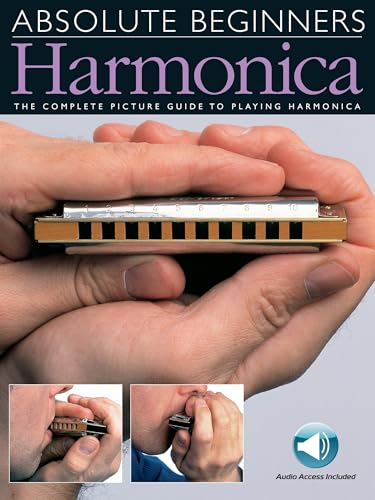
Absolute Beginners Harmonica Sheet Music Songbook | Learn to Play Harmonica for Beginners | Book...
- Book/CD Pack
- Pages: 40
- Instrumentation: Harmonica
Starting your journey with the harmonica can be an exciting adventure, and the “Absolute Beginners Harmonica Sheet Music Songbook” is the perfect companion! This book provides step-by-step instructions and visual guides that make learning simple. You’ll practice essential techniques, like hand positioning and playing basic melodies, through progressive exercises. Plus, it features online audio tracks that let you play along. You can slow down songs or loop tricky parts for easier learning. It’s great for self-learners or music teachers looking for structured lessons. So grab your harmonica, open the book, and start playing exciting melodies today!
Best For: self-learners, music teachers, and gift-givers looking for a structured introduction to harmonica playing.
Pros:
- Easy-to-follow step-by-step instructions and visual guides facilitate learning.
- Includes online audio tracks for immersive practice and play-along options.
- Progressive exercises help build a strong foundation in harmonica playing.
Cons:
- May not cater to advanced players seeking more complex techniques.
- Relies on digital access for audio features, which may not be convenient for everyone.
- Limited to primarily beginner-level content, which may not meet the needs of all users.
The Complete Idiot’s Guide(R) to Playing the Harmonica
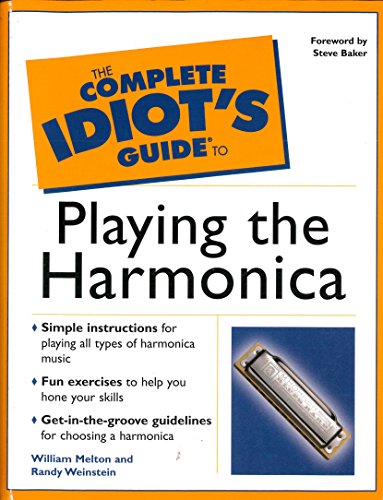
Ready to immerse yourself in the world of harmonica? “The Complete Idiot’s Guide(R) to Playing the Harmonica” is perfect for anyone keen to explore this fun and versatile instrument! This book helps you learn through structured lessons, starting from beginner techniques and advancing to more complex skills. You’ll plunge into various genres like blues, rock, and jazz, ensuring you find your style. Plus, it offers tips on selecting your harmonica and caring for it, so you get the most out of your instrument. Enjoy the thrill of playing with others as you get inspired by master harmonica players along the way!
Best For: Those looking to learn the harmonica at any skill level, from beginners to advanced players, and anyone interested in a variety of musical genres.
Pros:
- Structured Learning: Offers a clear progression from beginner to advanced techniques, making it suitable for learners at all stages.
- Genre Diversity: Covers a wide range of musical styles, ensuring players can explore and find their preferred sound.
- Comprehensive Care Tips: Provides essential maintenance advice, helping players keep their harmonicas in top condition for longevity.
Cons:
- Limited Focus on Advanced Techniques: While it progresses to advanced skills, some may find less in-depth exploration of complex techniques.
- Targeted Audience: Primarily aimed at beginners and intermediate players, possibly leaving advanced players seeking more challenging content.
- Less Emphasis on Performance: The book may not focus extensively on live performance aspects, which could be important for aspiring professional musicians.
Factors to Consider When Choosing a Harmonica Instruction Guide

When you’re picking a harmonica instruction guide, think about what you need most! Consider who the guide is aimed at, how it teaches, and whether it covers music theory. You’ll also want to check if it includes practice resources and focuses on the genres you love.
Target Audience Suitability
Choosing the right harmonica instruction guide can feel overwhelming, especially since there are so many options out there! First, think about who you are. Are you a child or an adult? Some guides are made just for kids, with fun activities and simple steps. If you’re a beginner, look for materials that cover basic techniques. Are you more advanced? Seek guides that explore complex skills. Also, consider if you’re learning on your own or in a group. That can change how a guide presents information! Finally, check for different musical genres like blues or rock. It’s essential to pick something that excites you! Engaging methods, like interactive tracks, can make your learning even more enjoyable. Go for it!
Instructional Approach Variety
Instructional approaches for harmonica guides can make a big difference in your learning journey! You’ll find step-by-step methodologies and lessons focused on individual techniques suited for beginners, intermediates, or advanced players. Some guides emphasize practical exercises alongside music theory, helping you connect different playing styles and techniques effectively. Many resources cover genres like blues, rock, and folk, so you can explore diverse musical experiences. Also, look for guides that include audio play-along tracks or online resources—these can really boost your timing and skills! Finally, especially for kids, engaging formats with fun songs and games keep motivation high and learning enjoyable. Choose a guide that fits your style, and you’ll be playing in no time!
Music Theory Coverage
Understanding music theory is essential for any harmonica player, as it gives you the tools to truly connect with the music you want to create. An effective instruction guide should explain basic concepts like chords, keys, and scales, which are vital for your playing. Look for guides that also cover reading music notation and tablature, as they help you play songs by sight. It’s beneficial if the guide introduces rhythm, time signatures, and dynamics—these elements enhance your musical expression! Furthermore, guides that provide practical exercises or song examples solidify your learning. Finally, understanding the link between music theory and improvisation can empower you to create spontaneous, beautiful music. Happy playing!
Practice Resources Availability
What should you look for when it comes to practice resources in a harmonica instruction guide? Start with a diverse selection of practice songs that fit your musical tastes! Guides offering various genres cater to everyone, from blues lovers to folk fans. Next, check for access to online audio tracks or play-along versions—these can make practicing way more enjoyable and help with timing! You’ll also want guides that use progressive exercises, creating a structured way to build skills step by step. Look for cool supplementary materials like glossaries or listening lists, too. Finally, practical tips on sticking to a practice schedule are essential for improving! You’ll be strumming along in no time!
Genre Focus Selection
After you’ve explored some great practice resources, it’s time to think about genre focus when picking a harmonica instruction guide. Different guides often emphasize specific genres like blues, rock, or jazz. Choosing a guide that matches your musical taste can really boost your motivation! For example, if you’re drawn to blues, look for instruction that teaches you about bending notes and cross harp techniques. If rock’s more your style, you might want to focus on dynamic playing and improvisation. Some guides cover multiple genres, which can help you discover new styles. By understanding the genre focus, you’ll pick resources that align with your goals, making your practice sessions more enjoyable and fulfilling! Happy playing!
Techniques Emphasis
When you’re choosing a harmonica instruction guide, paying attention to the techniques emphasized can make a big difference in your learning journey! Some guides focus on the basics, like holding the harmonica and breathing correctly, which is essential for beginners. Others explore advanced techniques, such as bending and tongue blocking, which can elevate your playing. Look for guides with step-by-step instructions and fun exercises that help you master fundamental techniques at your own pace. It’s also helpful if they include practical tips and song passages to illustrate specific skills. Visual aids and audio resources can make complex techniques much easier to grasp, especially when you’re starting out. So choose wisely, and enjoy your harmonica adventure!
Progression Structure
Getting the right harmonica instruction guide is super important for your progress. You’ll want a guide that organizes content by skill levels: beginner, intermediate, and advanced. This structure helps you build skills gradually! Look for materials that break lessons into small, digestible chunks. Focusing on one concept at a time makes learning smoother. Effective guides often include step-by-step lessons that demonstrate specific techniques through practical exercises. As you improve, the complexity of songs and techniques should increase too, keeping you challenged. Some guides even provide exercises that help you shift from simple melodies to advanced improvisation skills. These features guarantee a solid and thorough skill development journey, making your harmonica playing more enjoyable and rewarding!
Online Resources Access
Finding the right online resources can make all the difference in your harmonica journey! Look for guides that offer audio tracks and play-along versions. These resources can boost your practice and keep things interactive. Downloadable content, like demonstrations or backing tracks, really helps reinforce what you learn. Some guides even use QR codes, making it super easy to access these extra tools. Plus, structured online systems allow you to adjust playback speed or change keys to fit your practice style. Don’t underestimate the value of engaging with online communities, either! They can provide support, tips, and inspiration from fellow learners and experienced players. With these resources, you’ll be well on your way to harmonica mastery!
Frequently Asked Questions
What Types of Harmonicas Are Best for Beginners?
If you’re starting out, diatonic harmonicas are your best bet! These harmonicas, like the Hohner Special 20 or Lee Oskar, are perfect for beginners. They’re easy to play and great for blues, folk, and pop music. Look for key C, since it’s the most common. Just grab one and blow, and you’ll be amazed by how quickly you can make music! So, jump in and have fun with your new instrument!
How Long Does It Take to Learn Harmonica?
Learning harmonica can take anywhere from a few weeks to several months, depending on how often you practice. If you’re dedicated and play regularly, you might pick up basic tunes within a month! Start with simple songs, and as you progress, you’ll feel more comfortable. It’s all about consistency. Just remember, every minute you spend playing brings you closer to becoming a talented harmonica player, so keep at it and enjoy the journey!
Are There Online Resources for Learning Harmonica?
Absolutely, there are plenty of online resources for learning harmonica! For instance, websites like YouTube have tons of free tutorial videos. You can find anything from beginner lessons to advanced techniques. Additionally, sites like Harmonica.com offer courses with interactive features to enhance your skills. You’ll also discover forums where you can connect with other players and share tips. Immerse yourself, explore these options, and start making music you love!
Can I Learn Harmonica Without Formal Lessons?
Yes, you can definitely learn harmonica without formal lessons! With online tutorials, YouTube videos, and free apps, you’ve got plenty of resources. Try starting with simple songs to build your skills. Join online forums or groups to connect with other players, too! Practicing regularly will help you improve. Remember, the key is to have fun while you learn, so grab your harmonica and get started today! You’ll surprise yourself with how quickly you progress!
What Common Mistakes Do Beginners Make When Learning?
Beginners often trip over a few common hurdles when starting out. One big mistake is not breathing properly; you’ll want to relax and use your diaphragm. Another is playing too fast, which can lead to sloppy notes. Also, some folks stick to just one position and miss out on different sounds. So, take your time, explore various techniques, and don’t forget to have fun! You’ve got this—enjoy the journey of learning!


