As an Amazon Associate, we earn from qualifying purchases. Some links on this site are affiliate links at no extra cost to you. Our recommendations are based on thorough research and editorial judgment.


Acoustic Vs Electric: Which Version Should Beginners Choose?

When choosing between acoustic and electric guitars as a beginner, consider your goals and musical interests! Acoustic guitars are great for instant sound, portability, and styles like folk and pop. In contrast, electric guitars offer versatile options with amplifiers and lighter strings, perfect for rock and jazz. Both types come with essential accessories, but electric guitars require extra gear, like amps. Choosing the right one can enhance your learning experience, and there’s much more to explore!
Key Takeaways
- Beginners should consider acoustic guitars for easy, instant play without the need for amplifiers and additional gear.
- Acoustic guitars are generally budget-friendly, starting under $200, while electric guitars incur extra costs like amps and cables.
- The choice of guitar should reflect musical preferences; acoustic suits folk and pop, while electric is ideal for rock and metal.
- Lighter strings on electric guitars cater to modern styles, but thicker strings on acoustics offer a traditional, textured playing experience.
- Engaging with communities and fellow guitarists can enhance the learning experience and provide motivation regardless of the chosen type.
Understanding Acoustic and Electric Guitars
When exploring the world of guitars, beginners often find themselves at a crossroads between acoustic and electric options. Acoustic guitars are great for immediate play, as they rely on their body to project sound, needing no amplifier. This makes them fantastic for campfires or casual jam sessions! They usually have thicker strings, providing a unique tactile experience. Electric guitars, on the other hand, require an amplifier and use pickups to shape their tone. Their lighter strings offer a different playing feel, making them popular in rock and pop genres. Ultimately, your first guitar should reflect your musical interests. Whether you choose an acoustic or electric guitar, both can lead to an enjoyable journey of playing guitar and exploring musical expression! Additionally, considering the ease of playability can greatly enhance your learning experience.
Key Differences Between Acoustic and Electric Guitars

While both acoustic and electric guitars have their unique appeal, understanding their key differences can help any beginner make an informed choice. Acoustic guitars rely on their body shape and materials to project sound, making them great for genres like folk and pop. On the other hand, electric guitars use magnetic pickups, needing an amplifier to produce sound, which suits rock, metal, and jazz styles.
The string thickness is another difference; acoustic guitars generally have heavier strings, whereas electric guitars often use lighter ones, enhancing playability. Additionally, acoustic guitars weigh less, making them easier to handle for beginners. Finally, sound quality varies; it’s shaped by body shape and wood for acoustics, while electric tones are swayed by pickups and amp settings. Bone saddles can significantly enhance acoustic sound quality by improving resonance and durability, making them a popular choice among serious players looking to elevate their sound.
Choosing Your Sound: Music Genres and Guitar Types

Finding the right sound is essential for any budding guitarist! Different music genres often call for specific guitar types. Acoustic guitars, for instance, shine in genres like folk, pop, and singer-songwriter music, just like Ed Sheeran and Taylor Swift demonstrate with their intimate performances. On the flip side, electric guitars are perfect for rock, metal, and jazz, allowing guitar players to explore sound dynamics through effects and amplification. Choosing an instrument that matches one’s musical influences can boost motivation; aspiring rock guitarists may gravitate towards electric guitars for their powerful tone. Ultimately, a guitar’s sound signature comes from its acoustic guitar strings or the pickups in an electric guitar, influencing how it fits into your favorite genres! Additionally, using coated strings can significantly extend the lifespan of acoustic guitar strings, providing a consistent tone that suits various playing styles.
Recommended Products

6-string Acoustic-electric with Spruce Top

4-string Upright Fretless Electric Bass

34" Scale Length, 24 Frets, 43mm width bone nut, 12" Fretboard radius, Flame Maple Dot position Inlays & Markers
Investment Considerations for Beginners

Investment considerations are often important for beginners who want to commence their guitar journey. Acoustic guitars usually start under $200, making them a budget-friendly option. However, electric guitars often require additional costs, such as amplifiers and cables, pushing expenses over $300. Some electric guitar packages, which include everything you need, range from $150 to $400—great for those seeking convenience! Beginners should remember that electric setups may need more ongoing maintenance, like new strings and accessories. Plus, music lessons can also add to your budget. In comparison, acoustic guitars mainly require string replacements and simple tuning. Additionally, evaluating guitar materials can help ensure you select an instrument that enhances your learning experience. Make sure to weigh these factors carefully to choose what fits your budget and lifestyle best!
Recommended Products

CARBON FIBER and DURABLE: Take your guitar with you, whether it’s camping, hiking or gigging with this full-sized, lightweight traveler guitar made out of durable carbon fiber, a composite material that will not warp or crack over time unlike wood instruments. Carbon fiber has a very high strength to weight ratio, which means it’s tough, resonant, and resistant to temperature and humidity changes.

Solid Canadian Cedar top with rosewood Binding, high gloss natural finish

CARBON FIBER and DURABLE: Take your guitar on your next trip, whether it’s camping, hiking or traveling to a place you’ve never been with this travel-sized guitar made out of durable carbon fiber, composite material that will not warp or crack over time unlike wood instruments. Carbon fiber has a very high strength to weight ratio, which means it’s tough, resonant, and resistant to temperature and humidity changes.
Acoustic Guitar Recommendations for Starters

When commencing a journey to learn the acoustic guitar, choosing the right instrument can make all the difference in a beginner’s experience. For those new to playing, the Yamaha FG800 stands out as one of the best guitars available. Its impressive sound quality rivals that of pricier models, perfect for budget-conscious learners. Another excellent choice is the Fender CD-60S, known for its quality construction and rich, balanced sound. For those seeking a compact option, the Gretsch G9500 Jim Dandy offers vintage charm and impressive playability. To enhance the learning experience, remember to grab essential accessories like picks, a guitar strap, a gig bag, and a capo! These tools will make it easier for beginners to play the guitar confidently. Additionally, considering sound quality features when choosing a guitar will ensure an enjoyable playing experience.
Recommended Products

Bundle includes Korg D1 Digital Piano with Adjustable Bench, Stand, Dust Cover, Instructional Book, Instructional DVD, and Austin Bazaar Polishing Cloth

6-string Acoustic-electric Nylon-string Guitar with Lutz Spruce Top

Macasar Ebony Top, Back & Sides
Electric Guitar Picks for New Players
Exploring the electric guitar opens up a world of sound and creativity, just like learning the acoustic guitar did. For beginners, choosing the right guitar picks is essential! Thickness matters: thinner picks (0.46mm to 0.60mm) are great for strumming, while thicker ones (0.80mm and above) give more control for detailed playing. Material plays a role too; nylon picks offer a warm tone and flexibility, whereas celluloid provides a bright sound and classic feel. Also, consider the grip—many find picks with textured surfaces or rubberized grips easier to hold. Finally, trying different shapes—like standard, jazz, or triangle—can help you discover what matches your playing style best. A mix of picks can make your electric guitar journey even more enjoyable! Experimentation with various options allows you to optimize your choice for the best performance and sound quality.
Recommended Products

🌳【Breathtakingly Thin and Light】Packed with innovation. Nearly half the thickness of a traditional acoustic guitar.

INFINITY PICKUPS: The Ibanez RG Series features Infinity pickups, delivering tight, accurate sound with excellent dynamics and clarity, even under high-gain settings
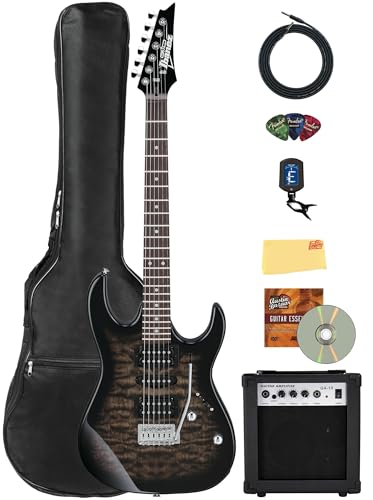
MAPLE NECK: The Ibanez GIO Series features a Maple neck that ensures excellent stability and delivers bright tonal character for enhanced playability and clarity
Essential Accessories for Acoustic and Electric Guitars
Having the right accessories can make a huge difference for both acoustic and electric guitar players! For beginners, essential accessories include picks, a comfortable guitar strap, and a gig bag for easy transport. A capo is great for acoustic guitarists wanting to play in different keys. Meanwhile, electric guitars need extra gear like a guitar amp to amplify sound, cables for connections, and effects pedals for added fun! A reliable tuner is essential for both types, keeping instruments sounding their best. Beginners should consider investing around $120 to $150 for a decent practice amp, helping them explore various tones. Remember, each accessory enhances the playing experience and can make learning more enjoyable! Additionally, a portable amplifier can greatly enhance practice sessions, especially with models offering Bluetooth connectivity that allows for easy jamming along with your favorite tracks.
Recommended Products

The information below is per-pack only

5-piece Maple Shell Pack with 10" 12" Toms

Tabletop loop Station that can be operated with the hands, Perfect for beatboxers, vocalists, and Club performers
Debunking Common Myths About Learning Guitars
Although many people have opinions about which guitar type is best for beginners, it’s important to clear up some common myths surrounding this topic. Some say electric guitars are harder to play, but that’s not true! Electric guitars feature lighter strings, making them easier to press down than acoustic guitars. Additionally, contrary to popular belief, electric guitars can be played unplugged, perfect for simple practice without needing extra gear. While some recommend classical guitars, their wider necks can actually be more challenging for beginners. Finally, the skills you learn on an electric guitar, like chord techniques, easily transfer to acoustic guitars. So, when choosing the right guitar, remember: it’s all about what fits your goals and preferences! A well-maintained guitar will enhance your playing experience and extend string lifespan.
Pros and Cons of Learning on Electric vs. Acoustic Guitars
When deciding between electric and acoustic guitars, beginners should consider both the benefits and drawbacks of each option. Electric guitars often feature lighter strings, making them easier to play and enabling techniques like string bending. They can be a blast in a band, too! However, they do require additional gear, such as amplifiers, which can add to costs. On the other hand, acoustic guitars offer immediate sound without extra equipment, perfect for practice sessions. Yet, their thicker strings can be a challenge, potentially discouraging new players. Ultimately, both the electric and acoustic guitars share fundamental techniques, so choosing the right guitar often depends on personal preference and musical goals! Additionally, beginners often benefit from bundled accessories that enhance their learning experience. Happy strumming!
Finding Inspiration and Community as a Beginner Guitarist
Finding inspiration and community can be essential for any beginner guitarist. Engaging with fellow acoustic players or electric enthusiasts provides support and encouragement throughout the learning process. Many beginners find valuable insights by attending local music groups or participating in online forums, where they can share progress and exchange tips. Following favorite musicians on social media also fosters a sense of connection and inspiration, offering glimpses into their guitar lessons and practices. Additionally, attending workshops or beginner guitar classes enables learners to interact directly with instructors and peers, enhancing their overall experience. Exploring various music genres can help beginners discover artists they resonate with, influencing their instrument choice and making learning guitar even more enjoyable! Furthermore, considering community engagement features in online courses can enrich the learning experience and provide additional support.
Frequently Asked Questions
Is It Okay for a Beginner to Start With an Electric Guitar?
It is perfectly acceptable for beginners to start with an electric guitar, as its lighter strings ease playing techniques. Additionally, diverse sounds, maintenance simplicity, and genre versatility enhance engagement, making it an appealing and budget-friendly choice.
How to Choose Between Electric and Acoustic Guitar?
To choose between electric and acoustic guitar, one should consider guitar genres, playing style, portability factors, budget considerations, and sound preference, ensuring the selected instrument aligns with personal musical aspirations and practical requirements.
Is Acoustic Guitar for Beginners?
Acoustic guitars are excellent for beginners, offering benefits like portability and versatility across genres. They encourage beginner guitar techniques such as fingerstyle playing, though differences in sound quality compared to electric guitars can influence choices.
Is It Better for Kids to Learn on an Acoustic or Electric Guitar?
It depends on playability factors, music genre interests, and budget considerations. Electric guitars may enhance finger strength with lighter strings, while acoustic options offer simpler learning curves, making both suitable for kids based on personal preference.


