As an Amazon Associate, we earn from qualifying purchases. Some links on this site are affiliate links at no extra cost to you. Our recommendations are based on thorough research and editorial judgment.

How to Choose Your First Musical Instrument: A Complete Guide

Choosing your first musical instrument can be a thrilling adventure! Start by considering what type of music you enjoy. Pianos and guitars are popular for beginners, while ukuleles and harmonicas are great low-cost options. Think about your size, comfort level, and budget too. Remember, practicing is key, and it’s often helpful to join a class or find online tutorials for support. With so many instruments available, the right one for you is just around the corner! Keep exploring to find your perfect match!
Key Takeaways
- Identify your personal preferences and musical interests to select an instrument that resonates with you.
- Consider your physical size and comfort when choosing an instrument to ensure ease of play.
- Factor in your budget and explore options like renting or buying secondhand for cost-effectiveness.
- Research local lessons and online tutorials to find suitable guidance for your chosen instrument.
- Practice regularly and stay patient through challenges to build your skills and enjoyment in music.
Understanding Different Types of Instruments
When exploring the world of musical instruments, how does one decide which type to play? First, it’s important to understand instrument classification! Instruments can be divided into four main groups: string instruments, wind instruments, percussion instruments, and electronic instruments.
String instruments, like the violin and guitar, produce sound by vibrating strings. Light gauge banjo strings and their ease of handling can greatly enhance playability for beginners. Wind instruments, such as flutes and trumpets, create sound through vibrating air. Percussion instruments, including drums, provide rhythm by being struck or shaken. Finally, electronic instruments—like synthesizers—generate sound with digital technology. Understanding these instruments’ classification can also introduce you to the various methods of classification particular to different cultures, enhancing your appreciation for music as a whole.
Each group has cultural significance in different music traditions, so it’s helpful to explore what resonates with you. Understanding these categories can guide you in finding an instrument that suits your style and interests!
Popularity and Accessibility of Beginner Instruments

Choosing a beginner instrument can be an exciting adventure, especially since many options are popular and accessible! Current beginner trends show that the piano leads the way, with around 21 million Americans playing it. The guitar follows closely, loved for its versatility across genres. Drums and the violin are also favorites for those starting out, particularly among kids. For singers, using one’s voice is a delightful starting point since it’s always available. Instruments like the ukulele and harmonica provide low-cost, easy options that make learning fun, with soprano ukuleles such as the Everjoys Soprano Ukulele being particularly suitable for beginners thanks to their user-friendly design. Other accessible choices include the flute, often found in school programs, and beginner-friendly acoustic guitars. Flutes add dynamic and airy tones to ensembles, making them an excellent start for new musicians. With these instrument choices, everyone can find the perfect fit for their musical journey!
Recommended Products
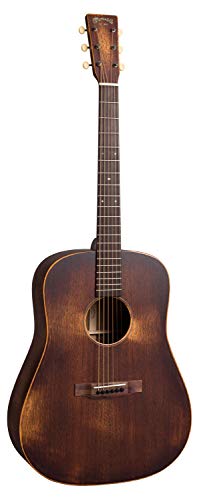


CARBON FIBER and DURABLE: Take your guitar with you, whether it’s camping, hiking or gigging with this full-sized, lightweight traveler guitar made out of durable carbon fiber, a composite material that will not warp or crack over time unlike wood instruments. Carbon fiber has a very high strength to weight ratio, which means it’s tough, resonant, and resistant to temperature and humidity changes.
Key Considerations for Your First Instrument

Finding the right instrument is a personal journey that goes beyond just following trends. To begin with, consider your physical fit. Instruments should match your size and comfort. For younger players, a ukulele or small violin might be ideal, while older individuals can handle guitars or keyboards better. Budget affordability also plays an essential role. Entry-level acoustic guitars are usually more wallet-friendly than elaborate drum sets! Remember, there are extra costs, like essential accessories and maintenance, so factor those in. Renting or buying secondhand instruments can save money while still ensuring progress. Investing in a good-quality, mid-range instrument is wise, as it enhances learning curve and durability for years to come. Choose wisely, and enjoy making music!
Recommended Products

6-string Acoustic Nylon-string Classical Guitar with European Spruce Top

Solid Canadian cedar top with solid Indian rosewood back and sides

Ships in Certified Frustration-Free Packaging
Navigating the Learning Curve

As you commence on the journey of learning an instrument, it’s important to remember that every player faces a unique learning curve. In the first 2-5 years, students go through key learning milestones, which can vary greatly. Beginners often practice about 2-3 hours a week to build skills. Parents can help by celebrating small successes, creating “magical moments” that boost motivation! However, challenges exist, like busy schedules impacting practice time. To navigate this, try different practice strategies, such as mixing formal lessons and self-teaching. Overcoming the early hurdles with patience is essential, and understanding that progress may plateau can help manage expectations. Additionally, incorporating instruments that offer enhanced dynamics recognition can further improve your overall musical development. With persistence, the joy of music makes every effort worthwhile! Research shows that instrumental learning has a significant positive impact on academic achievement, particularly in subjects like English and mathematics.
Finding Support and Guidance

Amid the ups and downs of learning a musical instrument, discovering the right support and guidance can make a significant difference. Beginners can benefit greatly from mentor programs, which connect them with experienced musicians for tailored advice. Community resources, such as local music schools and community centers, often provide affordable group and private lessons. Additionally, online platforms offer diverse tutorials and forums, making learning accessible from home! Exploring various stores for competitive pricing can also enhance your purchasing decision.
Supportive family members can encourage practice, while friends learning alongside can foster motivation. Parents involved in their child’s journey enhance engagement, too. Additionally, seeking courses that offer structured curriculum can further facilitate the learning experience. Finally, attending concerts or music events can spark inspiration and dedication. With the right support network, beginners will feel more confident in steering their musical path!
Practical Tips for Starting Out
Starting to learn a musical instrument can be an exciting journey, filled with discovery and creativity! To guarantee a great start, consider taking trial lessons. These sessions help newcomers experience different instruments, building comfort and confidence. Renting an instrument can also be an excellent option, as it allows for a low-cost way to explore possibilities without long-term commitment. Pay attention to instrument size and ergonomics—choose something that feels comfortable and fits well. For example, small hands might prefer a ukulele or a smaller guitar. Furthermore, make sure to evaluate physical demands to prevent any strain or discomfort during your learning process. To enhance your practice, consider using a music app that offers comprehensive lesson plans to support your growth. Finally, embrace the resources available, such as online tutorials and local music groups. Enjoy the process, stay patient, and remember: every great musician began as a beginner!
Frequently Asked Questions
What Age Is Best to Start Learning an Instrument?
The best age to start learning an instrument typically falls between 4 and 9, aligning with essential child development milestones and musical readiness. Individual readiness, interests, and instrument demands can influence the ideal starting age.
Can I Learn an Instrument Without Prior Musical Experience?
Yes, individuals can learn an instrument without prior musical experience. Effective learning methods and thoughtful instrument selection facilitate progress, enabling novices to develop skills and enjoy the journey of musical discovery and achievement.
How Much Practice Time Is Recommended for Beginners?
Beginners are encouraged to practice consistently for 1-3 hours weekly, ideally dedicating 15-30 minutes daily. Establishing daily routines helps in building muscle memory and maintaining steady progress, ensuring effective learning and skill development over time.
What Online Resources Are Available for Self-Taught Musicians?
Numerous online resources cater to self-taught musicians, including online tutorials on platforms like YouTube, music apps for skill enhancement, and interactive courses from sites such as Udemy and Coursera, ensuring diverse and accessible learning opportunities.
Are There Specific Types of Lessons Suited for Children or Adults?
Lesson formats should consider age; children thrive with engaging, interactive methods, while adults benefit from structured, goal-oriented approaches. Tailoring lessons to these distinctions enhances learning experiences and outcomes for both groups.


