As an Amazon Associate, we earn from qualifying purchases. Some links on this site are affiliate links at no extra cost to you. Our recommendations are based on thorough research and editorial judgment.


7 Questions to Ask Before Buying Your First Instrument

Before buying your first instrument, ask yourself some important questions! Are you choosing the right instrument for your interests and goals? Why do you want this instrument— for fun or to impress? Check if you have enough space to store it properly. Consider how loud it is; some instruments can be quite noisy! Make sure the size is comfortable for you. Determine your budget, and explore second-hand options for better deals. Stick around to discover more tips!
Key Takeaways
- What type of music do I want to play, and does it align with the instrument I’m considering?
- Am I physically suited for this instrument in terms of size and weight?
- Do I have adequate storage space for the instrument and its accessories?
- What is my budget, and have I explored second-hand options for better deals?
- How loud is the instrument, and will it fit my noise level preferences?
Are You Buying the Right Instrument?
Are You Buying the Right Instrument?
Have you ever wondered if you’re choosing the right instrument for yourself? Finding the right instrument is essential to enjoying your music lessons and enhancing your skills. Personal interest is important, but physical suitability plays a huge role too! For instance, a gorgeous guitar might catch your eye, yet a ukulele or violin could fit you better. Proper sizing is crucial, as an instrument that’s too large or small can make learning difficult. Think about the type of music you want to play and your goals! Test several quality instruments in person, paying attention to their weight and sound. Consider lightweight designs like lightweight mandolins which can facilitate easy handling, making it easier to play an instrument and enjoy every moment of your musical journey!
Do You Want the Instrument for the Right Reason?

Why is it important to contemplate the reasons behind wanting an instrument? Understanding personal motivations can shape your musical journey! If someone buys an instrument just to impress others, they may lose interest quickly and struggle with practice. However, having a genuine passion for music and a desire to play means quicker learning and more enjoyment. When you choose an instrument based on true desire rather than trends, you’re more likely to dedicate time and effort. Reflecting on your reasons can guarantee a fulfilling experience, turning music from a chore into a joy! For example, if you dream of playing in a band, let that inspire your choice. Discovering your passion will lead to a much richer musical adventure! Additionally, considering elements like beginners acoustic packages that include essential accessories can enhance your learning experience from the start.
Can You Store the Instrument?

Finding personal motivation is only part of the journey when buying an instrument. Before making a purchase, it’s vital to evaluate your living space for adequate room. Larger instruments, like pianos and cellos, need significant storage. If space constraints are an issue, consider compact instruments such as ukuleles or flutes, which are easier to store. Don’t forget about additional storage for accessories like stands, cases, and sheet music! A proper storage solution is essential to protect your investment—think sturdy cases or a designated area at home. If your space doesn’t allow for safe storage, it might be best to wait until a better situation is available. After all, you want your instrument to thrive, not just survive! Additionally, some instruments, like clarinets, come with detachable mouthpieces, which can help in saving space for storage and make it easier to keep the instrument in good condition.
How Much Noise Does Your Instrument Make?

How much noise does that shiny new instrument really make? The sound quality varies widely among different instruments. For example, acoustic guitars and violins can be quite loud, while flutes and ukuleles are more subdued. When considering where you’ll be practicing, think about noise disruption. If you live with roommates or neighbors, an electric guitar with headphones could be ideal to keep the peace! Drums, on the other hand, are very loud and often need soundproofing to avoid bothering others. Before buying, visit a music shop to test the instrument’s volume level. This way, you can make certain you’re happy practicing without disturbing anyone, making your musical journey enjoyable for both you and those around you! Adding acoustic treatment can significantly enhance your space while minimizing sound disruption.
Is Your Instrument the Right Size?

Is the size of your instrument just right for you? Choosing the proper size is vital for comfort and playability. An instrument that’s too big or too small can make practice difficult and frustrating. Many instruments, like guitars and violins, offer various sizes, so that you can find the perfect fitting for your body type. For example, children often do better with ¾ or ½ size models so they can reach all parts comfortably. Testing different sizes in person is important; it allows players to assess weight, balance, and overall feel. By selecting the right size, you enhance your playing experience and spark greater enthusiasm for learning your instrument! Choosing the right size makes all the difference! Additionally, considering portability options can help you choose an instrument that fits your lifestyle and music preferences.
Recommended Products

Violin outfit package includes case, Dominant Strings, bow, rosin, and shoulder rest

Four stringed acoustic violin

EXCEPTIONAL QUALITY AND VALUE: With over 50 years of experience in the vibrant educational community at all levels, Cremona violins are hand-crafted by skilled luthiers to assure exceptional playability and tone
How Much Are You Willing to Pay?
When considering an instrument purchase, what budget feels right? It’s essential to determine how much you’re willing to pay for your new instrument. Prices can range from around $100 for basic ukuleles to thousands for high-end pianos. Think about the quality you need based on how you plan to use it. Investing in a better-quality instrument generally leads to a richer learning experience. Don’t forget about additional costs too—maintenance, accessories like cases and tuners, and repair needs can add up quickly! Set a maximum spending limit to avoid impulse buys, ensuring your choice fits within your budget. When you’re realistic about what you can invest, it can help with your long-term satisfaction and commitment to playing music! Additionally, consider the necessity of durability and material quality as it plays a crucial role in the overall value and longevity of your instrument.
Recommended Products
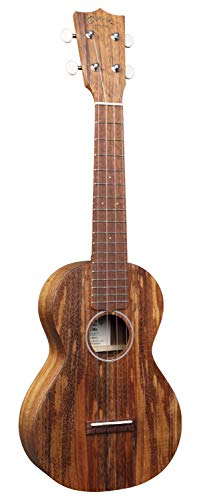

Thin and lightweight body

Tenor size with _ body depth
Could You Get It Second-Hand?
After setting a budget that works for you, exploring second-hand options can open up exciting possibilities! A second-hand instrument can be a fantastic choice, often available at considerably lower prices than new ones. This means you might invest in a good instrument from a better brand without going over your limit. Checking out local music stores is a great start, as many offer trade-in or consignment options. Always ask about the instrument’s history and previous owner to learn how well it was cared for. Whether you find one in a store or online, be sure to inspect it for wear. Regular maintenance, including rehydrating sponges with distilled water, is crucial for keeping your instrument in top shape. With a little effort, a second-hand instrument might be just the perfect fit for your musical journey!
Frequently Asked Questions
What Questions Do I Ask When Buying a Used Instrument?
When buying a used instrument, one should inquire about brand reputation, conduct a thorough condition assessment, evaluate pricing strategies, investigate return policies, and consider any necessary accessories to guarantee a satisfactory purchase experience.
How Do I Choose My First Instrument?
Choosing a first instrument can feel like searching for a needle in a sonic haystack. Beginners should consider instrument types, sound preference, budget considerations, and maintenance requirements for an enjoyable and lasting musical journey.
What Is the Top 1 Hardest Instrument to Learn?
The violin stands as the hardest instrument to learn, surpassing piano complexities, trumpet challenges, oboe nuances, and harp precision. Its techniques demand remarkable postural control, intricate finger placement, and a finely tuned ear for pitch.
What Is the #1 Easiest Instrument to Play?
The ukulele, with its acoustic charm and lightweight design, stands as the easiest instrument to play. Its beginner-friendly options yield simple melodies, offering endless musical versatility and inviting new players to create joyful harmonies with ease.


