As an Amazon Associate, we earn from qualifying purchases. Some links on this site are affiliate links at no extra cost to you. Our recommendations are based on thorough research and editorial judgment.


10 Signs You’re Ready to Start Learning a Musical Instrument

If a child shows genuine interest in music, enjoys exploring sounds, and can follow simple instructions, they might be ready to learn an instrument! Kids aged 5-9 often show signs like a love for singing, dancing, or engaging with musical toys. Good fine motor skills and a decent attention span are also important. Family support boosts motivation, while social activities can enhance learning. Keep an eye out for these signs, and they might soon be on their musical journey!
Key Takeaways
- You show genuine interest in music through spontaneous singing, dancing, or asking questions about different instruments.
- You can understand basic numbers and counting, which aids in reading musical notation and rhythms.
- You possess good fine motor skills, enabling you to coordinate actions needed for playing instruments, generally developed by age 6 or 7.
- You have a supportive home environment where family members engage in musical activities and encourage your musical interests.
- You enjoy social interactions, indicating readiness for group lessons and collaboration in music-making with peers.
You Have a Genuine Interest in Music
A love for music is often the first sign that someone is ready to learn a musical instrument. When a child shows excitement through spontaneous singing, dancing, or rhythmic clapping, it reveals their genuine interest in music. Significantly, a child’s enthusiasm for music can be observed when they light up at their favorite songs or ask curious questions about sounds. Engaging with musical toys, such as banging on pots and pans, reflects a natural affinity and desire to explore. Group music classes can enhance this interest while promoting teamwork and social skills. Additionally, private lessons offer personalized guidance for those keen to learn to play. Continuous exposure to music through family sing-alongs or interactive apps can further nurture a developing passion. Moreover, utilizing structured lesson plans can provide a solid foundation for their musical journey.
Recommended Products

An easy-to-play cello that will bring years of enjoyment to any cellist

You Demonstrate Curiosity About Musical Concepts

Curiosity about musical concepts is a wonderful indicator that a child is ready to plunge into the world of music. When a child expresses interest in how music is created, it reveals budding musical interests. Signs your child is enthusiastic to learn can include asking about different playing instruments or exploring music-related topics. Children often engage in activities like identifying instruments by sound or creating makeshift instruments using household items. This hands-on exploration fosters music education and enhances their understanding of rhythm and melody. Additionally, if your child seeks out books or apps about music, it’s a strong signal of intrinsic motivation. Ultimately, their emotional connection to music plays a crucial role in developing their musical skills! Incorporating engaging tools like rhythm sticks for kids can further enhance their learning experience in music.
You Can Read and Count Basic Numbers
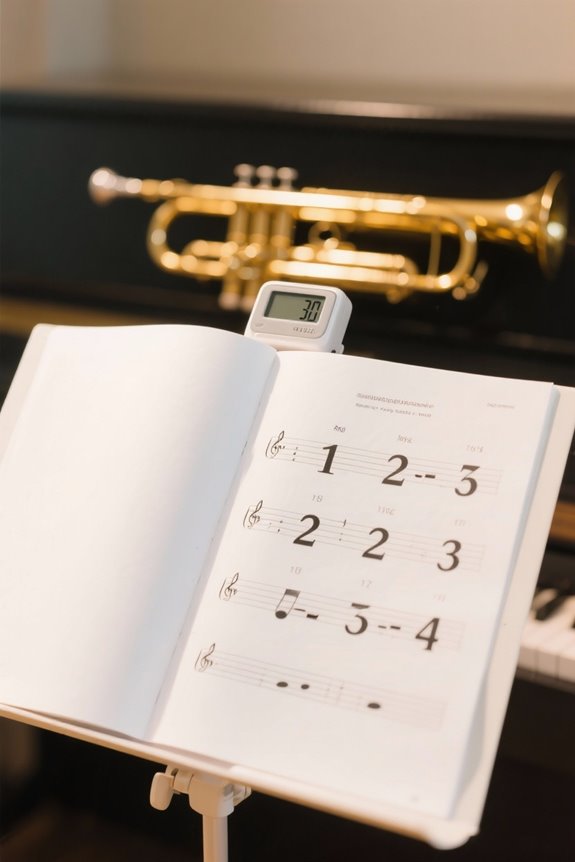
Understanding music goes beyond just curiosity; it also involves some basic skills like reading and counting. A solid grasp of basic numbers considerably boosts a beginner’s understanding of musical notation. For instance, students can count to ten, which aids in recognizing time signatures and rhythmic patterns essential for music lessons. This counting ability allows them to follow instructions while reading music, ensuring they can stay in time. Furthermore, recognizing and counting beats becomes easier, making practice sessions more effective and enjoyable. With an ability to pay attention and comprehend structure, learners can confidently engage with musical rhythms. Mastering these fundamental skills sets the foundation for successful instrument learning and a deeper appreciation of music! Additionally, being comfortable with music notation fundamentals enhances overall musical learning and aids in transitioning to more complex concepts.
You Show Good Fine Motor Skills

While many may underestimate the importance of fine motor skills, they play an essential role in learning to play a musical instrument. Children typically develop these skills by ages 6 or 7, making it an excellent time to explore options like piano or drums. Proper physical coordination is crucial for pressing keys or strings, especially with instruments like the violin or clarinet. Engaging in music activities can further enhance fine motor skills, building not only musical proficiency but also hand-eye coordination. For those still refining these skills, starting with voice lessons or percussion instruments, like drums, offers a solid foundation. If fine motor skills are strong, they are ready to start their musical journey! Additionally, instruments like steel tongue drums are specifically designed to be accessible for users with no prior musical experience.
You Have Developed a Decent Attention Span

A strong attention span is a key part of learning a musical instrument. For effective music lessons, an attention span of 20 to 30 minutes is ideal. To gauge a child’s attention span, consider their age; for instance, a 5-year-old might focus for just 10 to 15 minutes. Observing a child during activities like puzzles or crafts can show their readiness for musical instruction. Additionally, consistent engagement in group games or sports indicates their ability to follow structured lessons. As children grow, their attention spans naturally increase, making them more capable of focusing on learning and practicing music. If a child demonstrates this level of focus and engagement, they are likely ready to embark on their musical journey! Acoustic bass kits, known for enhancing tonal richness, offer a great introduction to music for beginners.
You Express a Desire to Learn an Instrument
Feeling excited about music is a strong sign that someone is ready to learn an instrument! When a child expresses a desire to explore different instruments, whether that’s asking to try a guitar or making rhythms with pots and pans, it shows their enthusiasm. Observing their enthusiastic expression while dancing or singing along indicates a natural inclination to engage with music. These are clear signs you’re ready for musical exploration and learning to play. Additionally, participating in casual performances or sharing music experiences with friends and family boosts motivation and further sparks interest. If a child actively seeks out ways to connect with music, it’s a wonderful indicator that they are indeed ready to start their musical journey! Engaging with instruments like Boomwhackers can further enhance their musical exploration.
Recommended Products

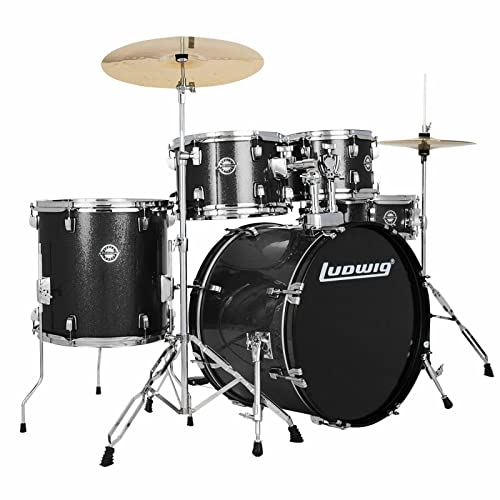
Complete Drum Set -The Pearl Roadshow drum kit comes complete with everything you need to start drumming right out of the box. This set comes with drums, hardware, cymbals, and drum throne. We even throw in sticks and a stick bag to complete the set
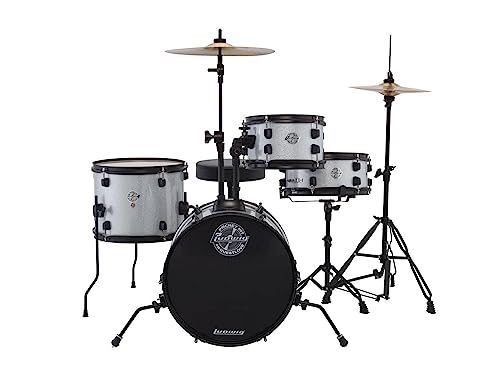
Designed for ages 4 through 10 years old

Yamaha combines high quality woods and durable components to make rydeen the perfect first drum kit
You Have Supportive Family Encouragement
Supportive family encouragement can make a significant difference in a child’s musical journey. When families actively engage in musical activities together, it heightens the child’s interest level and motivates them to learn. Parents who foster a positive home environment with access to instruments and resources boost the child’s confidence and readiness. This can be especially important when maneuvering music classes or exploring different learning styles. Regular discussions about music at home can cultivate a strong appreciation for musicality. Significantly, research shows that children with strong family support are more likely to develop persistence and resilience during challenging practice sessions. Encouragement from family makes learning a musical instrument a more enjoyable and fulfilling experience! Additionally, providing access to quality ukulele chord charts can enhance the learning experience and help beginners practice effectively.
Recommended Products

FUN PICTURES: Ukulele Chord & Fretboard Note Designed with guitar beginners in mind, all chords are legible and make an excellent companion for learning scales and finger positioning. 24" x 36" (60 x 90 cm) fits any room size. Easy to hang customers for better decoration.
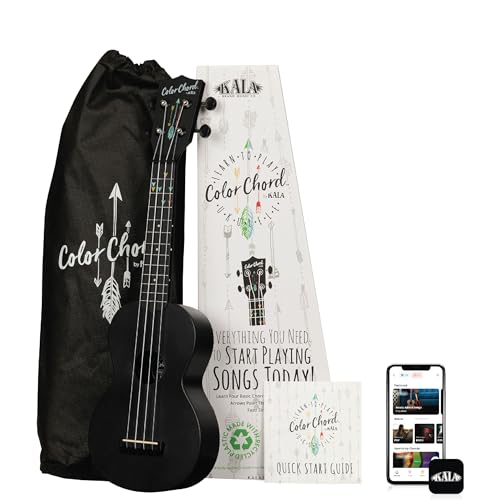
Play Your First Song Fast: Learn four simple chords that unlock hundreds of songs, making it easy for beginners to start playing right away

You Can Follow Simple Instructions
When a child shows the ability to follow simple instructions, it often signals their readiness to commence on a musical journey. Being ready for music lessons involves understanding commands like “clap your hands” or “stop and listen.” This skill is essential for participation in group music activities, where collaboration thrives. Structured learning in music particularly benefits young children who can follow simple instructions, as it enhances their overall learning experience. Additionally, successfully following directions supports cognitive development, helping them grasp musical concepts and techniques. Engaging fully in structured music classes allows them to connect with others and grow. So, if a child can follow instructions, they’re likely on the right path to exploring the joy of music! Moreover, learning to play an instrument, such as a Vangoa A Style Mandolin, can further enhance their musical journey by providing a rich sound experience.
Recommended Products


Realistic Grand Piano Sound - Enjoy the rich, natural sound of a concert grand piano, including both damper and string resonance, plus 9 other instrument Voices

Full Size 163cm/single-piece oven-dried paulownia soundboard & backboard and real rosewood not other wood with red painting
You Are Socially Engaged With Peers
Social engagement plays a significant role in a child’s musical journey. When children are socially active, they often develop essential social skills, which can thrive in music classes. Participating in group lessons fosters sharing and collaborative learning, allowing kids to bond over their musical experiences. Engaging in social play with peers creates a supportive atmosphere that encourages music-making together. As children work as a team, they improve their listening skills and learn to appreciate different musical styles. This connection with fellow students motivates them to participate more actively, making music classes enjoyable! So, if your child enjoys spending time with friends and sharing interests, they are likely ready to explore the world of music through instruments! Moreover, utilizing hands-on activities can enhance their engagement and excitement about learning music.
You Are Between the Ages of 5-9
A child’s early years, particularly between ages 5 and 9, are a magical time for exploration and discovery. During this age, children develop fine motor skills and coordination, making it easier to hold and play musical instruments! They can stay focused for 20-30 minutes, which matches the length of most music lessons. This period also sparks curiosity about different sounds and rhythms, indicating readiness for music education. Instruments like the recorder or piano are ideal for beginners, allowing gradual skill enhancement. Exposure to music during these years positively impacts cognitive abilities, including language and math skills. If your child is in this age range, consider finding a music teacher to inspire them and cultivate their musical journey! Additionally, introducing acoustic guitar starter kits can provide an excellent foundation for learning music.
Recommended Products
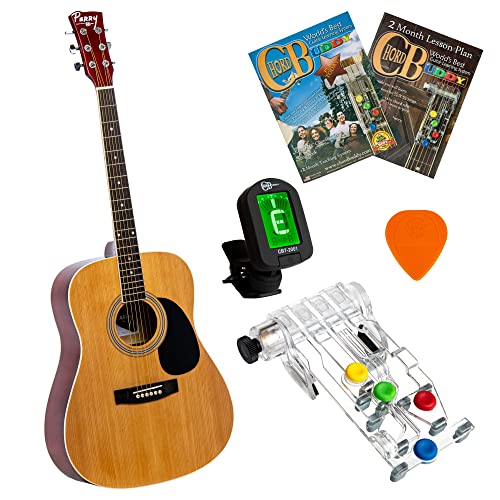
GUITAR PRACTICE PACK: Play the guitar the same day you get it with ChordBuddy, the easiest guitar learning system for all ages. As seen on Shark Tank, ChordBuddy makes mastering guitar chords simple.

The GigMaker Deluxe Acoustic Guitar Package is a complete kit, which includes a premium, solid-top guitar for superior tone and projection, plus everything you need to play a gig right now.

Solid Spruce top
Frequently Asked Questions
What Is the Average Age to Start Learning an Instrument?
The average age to start learning an instrument is around five years, allowing early childhood engagement. However, teenage beginners, adult learners, and even senior players can begin musical journeys through group classes or self-taught methods, depending on practice frequency.
How Do You Know if You Are Musically Gifted?
Musical talent often manifests through strong musical inclination, exceptional listening skills, and creative expression. Individuals exhibit rhythmic ability, pattern recognition, and an emotional connection to music, demonstrating problem-solving abilities alongside a high dedication level towards musical pursuits.
What Is the #1 Easiest Instrument to Play?
The ukulele stands out as the easiest instrument to play, showcasing ukulele basics through its guitar simplicity. Unlike wind or brass instruments, its string instrument nature fosters rapid learning, appealing to those exploring digital music and rhythm instruments.
Is a 30 Minute Music Lesson Enough?
Sure, a 30-minute music lesson is adequate—unless one believes mastering the oboe in five minutes is possible. Effective practice depends on learning styles, instructor quality, and student engagement, all essential for musical progress through wisely scheduled lessons.


