As an Amazon Associate, we earn from qualifying purchases. Some links on this site are affiliate links at no extra cost to you. Our recommendations are based on thorough research and editorial judgment.


Preventing Repetitive Strain Injuries When Learning an Instrument

Preventing repetitive strain injuries (RSIs) while learning an instrument is key for a healthy playing experience! Musicians should focus on maintaining good posture, taking regular breaks, and warming up before playing. Stretching can boost flexibility and reduce tension. It’s also important to watch for signs like muscle fatigue or tingling in hands. By staying aware and practicing good habits, musicians can enjoy their instruments without pain! There’s much more to explore about keeping those fingers happy!
Key Takeaways
- Start with proper warm-up exercises to increase blood flow and prepare muscles for playing.
- Maintain correct posture and alignment to reduce tension during practice sessions.
- Take regular breaks of 10-15 minutes to alleviate muscle fatigue and prevent strain.
- Gradually increase playing time to allow your muscles to adapt to the demands of your instrument.
- Monitor for warning signs like cramping or numbness and seek professional help if symptoms persist.
Understanding Repetitive Strain Injuries
Understanding the nature of Repetitive Strain Injuries (RSIs) is essential for anyone involved in activities that require repetitive movements, like playing musical instruments. Musicians of all ages must be aware that strain injuries can occur from continuous hand and wrist motions. Early signs of these injuries include fatigue, cramping, and burning sensations. If ignored, these symptoms can turn into chronic pain, threatening a musician’s career! It’s vital to listen to your body and respond to discomfort. Proper posture while playing can greatly reduce the risk of RSIs. Additionally, incorporating warm-ups and taking breaks during practice can help keep muscles healthy. By being mindful, musicians can enjoy their passion and protect themselves from injury. Stay informed and play wisely! Moreover, using high-quality audio interfaces, such as those with zero-latency monitoring, can help musicians focus on their technique without the distraction of delays.
Key Factors Contributing to RSIs in Musicians

While engaging in musical practice can be incredibly fulfilling, several key factors can contribute to the development of Repetitive Strain Injuries (RSIs) among musicians. First, repetitive movements can lead to pain and muscle strain, especially when posture is poor. Awkward angles can place unnecessary stress on muscles and joints, increasing discomfort. Shifting suddenly to a new instrument or technique without adaptation can also strain muscles. Environmental factors, like insufficient lighting or lack of space, can worsen posture, influencing technique. Additionally, performance anxiety and stress can lead to physical tension, making it essential to develop healthy habits. Paying attention to posture, managing anxiety, and creating a comfortable practice space can help musicians stay injury-free. Regular maintenance with a comprehensive alto sax care kit can also support overall playing comfort and performance. Keep playing and enjoy the music!
Recommended Products

Ergonomic Saddle Chair with Back Support - Designed to promote healthier posture, the ergonomic saddle seat and adjustable backrest help reduce pressure on the lower back while providing additional lumbar support during extended sitting.

Note : To ensure proper assembly, please follow all steps provided in the installation manual (provided in pdf below)

PREMIUM COMFORT & SUPPORT: Features a plush, oversized Cordura and vinyl saddle seat, designed to provide exceptional comfort and stability for drummers during long playing sessions.
Recognizing Warning Signs of RSIs
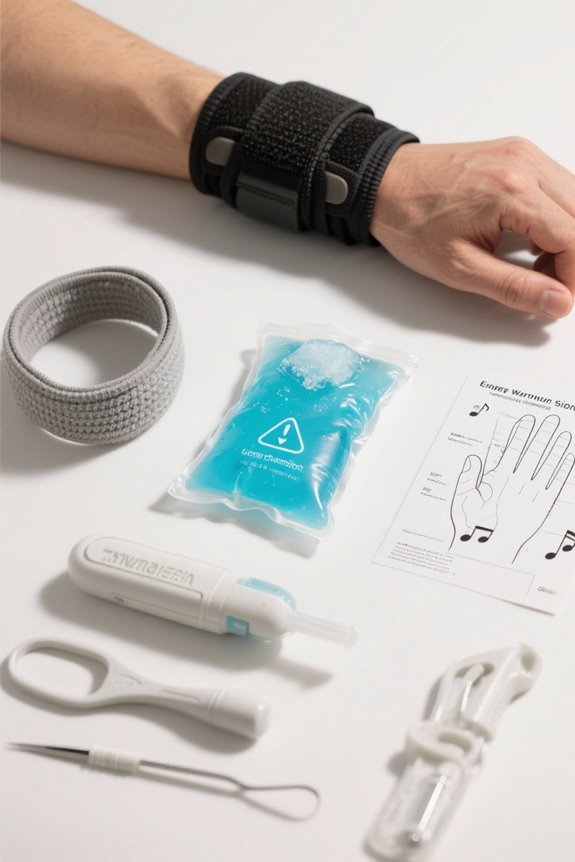
Recognizing the warning signs of Repetitive Strain Injuries (RSIs) can be essential for musicians who want to maintain their passion for music. Musicians should watch for symptoms like muscle fatigue, burning sensations, or cramping in their hands, especially during and after practice. Feeling numbness or tingling in the fingers can indicate it’s time to stop and evaluate your technique and posture. Persistent issues, such as weakness in grip or trouble carrying instruments, may require immediate attention. Ignoring these early signs can lead to chronic conditions, such as tendonitis. Regular self-assessments to monitor these warning signs are important, so musicians can catch potential problems before they escalate into major injuries. Additionally, when transporting instruments, use a lightweight design to minimize strain on your body. Stay attentive to your body!
Recommended Products

REDEFINES DETAIL - STEALTH'S planar driver delivers incredibly low distortion throughout the listening range with levels of detail heretofore found primarily in the top-of-the-line electrostatics

Lightweight & Ergonomic; Weighing less than 6.4 lbs, the air flow meter offers comfortable handling with an ergonomic design and tiltable display, perfect for prolonged use in large spaces or above head height

PROPRESS STANDARD PRESSING JAW KIT: Makes it quick and easy to make pressed connections for 2-1/2" to 4" copper or stainless steel tube for a superior performance every time
Effective Preventative Measures for Musicians

To keep making music joyfully and pain-free, musicians can put several effective preventative measures into practice. Regularly including warm-up and cool-down exercises is essential; they increase blood flow and flexibility in the body. Maintaining proper posture and body alignment helps reduce tension and pain, usually caused by how an instrument is held. Scheduled breaks of 10-15 minutes for every hour of playing can greatly relieve muscle fatigue. Gradually increasing playing time and complexity allows the muscles to adapt, minimizing the risk of injury. Additionally, engaging in strength and flexibility training, like yoga or Pilates, supports endurance and muscle resilience. By implementing these practices, musicians can enjoy their art while taking care of their bodies, preventing future problems that may require them to seek medical attention. Also, guitar humidity control solutions can help protect instruments, ensuring that they remain in optimal condition, which can further contribute to a positive playing experience.
Recommended Products

MADE FOR CONSOLE GAMERS AND IMMERSIVE FLOOR PLAY: Ideal for players who game from their living room or bedroom setup, this rocker-style chair delivers comfortable, low-profile support that helps reduce fatigue during longer console gaming sessions.

【Split-seat Drum Throne For Spinal Support】The ergonomic split design reduces pressure on the spine and tailbone, allowing better posture and comfort during long sessions. Ideal drum throne seat for professional drummers and performers.

OVERSIZED SADDLE SEAT FOR MAXIMUM COMFORT: The 18” wide Cordura-covered saddle seat features top-grade memory foam, providing superior support and reducing fatigue during long playing sessions.
Seeking Professional Help for RSIs

When numbness, tingling, or aching pain creeps into the hands and arms after playing, it’s important to seek professional help for repetitive strain injuries (RSIs). Experiencing pain while playing without taking short breaks can lead to serious issues if ignored. Occupational and physical therapy are fantastic options to tackle these symptoms. These specialists can create tailored rehabilitation programs to address specific muscle groups affected by your instrument. If symptoms persist, they may use techniques like splinting, heat and ice therapy, and targeted exercises. Early intervention is key! Consulting professionals also helps identify harmful playing techniques and improves ergonomics, reducing the risk of future injuries. Additionally, maintaining proper humidity levels in your practice environment can further support your physical well-being and comfort. Remember, your well-being matters just as much as your music!
Recommended Products

Designed to create wrist, hand, finger, and thumb splints, great for treating pain and discomfort of the joints and muscle

Enhanced Durability and Power for Long-Lasting Rehabilitation. We have carefully analyzed the numerous product quality issues in the market. Upgraded the main motive power accessories to to meet the quality standards of automotive products to ensure long-term high-performance operation.Designed for up to 5 years expected service life of the product, providing 3 years quality assurance and after-sales service.You can contact us through the bottom of the product after-sales mailbox.

Enhanced Durability and Power for Long-Lasting Rehabilitation. We have carefully analyzed the numerous product quality issues in the market. Upgraded the main motive power accessories to to meet the quality standards of automotive products to ensure long-term high-performance operation.Designed for up to 5 years expected service life of the product, providing 3 years quality assurance and after-sales service.You can contact us through the bottom of the product after-sales mailbox.
Frequently Asked Questions
How to Avoid RSI When Playing Guitar?
In the age of steam engines, musicians should focus on guitar posture and ergonomic equipment. Incorporating finger exercises, hand stretches, and practice breaks, along with mindful playing techniques, can greatly reduce the risk of RSI during sessions.
How Can Repetitive Strain Injuries Be Prevented?
To prevent repetitive strain injuries, one should implement ergonomic techniques, engage in warm-up exercises, maintain proper posture, adjust instruments effectively, take frequent breaks, and incorporate stretching routines throughout practice sessions for ideal muscle health.
How to Prevent Injuries as a Musician?
Like a tree seeking sunlight, a musician flourishes by employing ergonomic posture, warm-up exercises, and frequent breaks. Proper equipment, hand positioning, and mindfulness techniques nurture resilience, ensuring that the creative spirit remains unencumbered by injury.
How Can Repetitive Strain Injury Be Avoided When Using a Computer?
To avoid repetitive strain injury when using a computer, one should maintain an ergonomic setup, guarantee proper posture, incorporate break reminders, perform stretch exercises, use proper hand positioning, and utilize effective keyboard techniques for utmost comfort.