As an Amazon Associate, we earn from qualifying purchases. Some links on this site are affiliate links at no extra cost to you. Our recommendations are based on thorough research and editorial judgment.


The Importance of Proper Posture When Learning an Instrument

Proper posture is key when learning an instrument! It helps keep the spine aligned, allowing for better breathing and sound quality. Good posture also makes playing comfortable and reduces the risk of injuries, like back pain. Whether sitting or standing, it’s important to keep your hips level and your head aligned with your pelvis. Simple techniques, like checking your posture in a mirror, can make a big difference. Keep exploring to discover more tips for improvement!
Key Takeaways
- Proper posture ensures ideal spinal alignment, significantly influencing breathing and sound quality while playing an instrument.
- Neutral spine position enhances comfort and reduces the risk of injuries such as carpal tunnel syndrome and lower back pain.
- Good posture facilitates the execution of complex techniques, melodies, and rhythms, making practice more efficient and enjoyable.
- Regular posture evaluations during practice build positive habits, improving technical skills and overall endurance for musicians.
- Utilizing resources like mirrors, ergonomic adjustments, and techniques like Yoga can enhance body awareness and support better posture.
The Role of Posture in Musical Performance
When learning an instrument, maintaining proper posture is more important than many realize! Proper posture while playing allows for ideal spinal alignment, which directly affects breathing and sound quality. When musicians keep a neutral spine, they enhance comfort and reduce the risk of injury from muscle strain. On the other hand, bad posture can lead to chronic injuries, such as carpal tunnel syndrome or lower back pain. Good posture also helps musicians execute complex techniques, melodies, and rhythms with greater ease. Regularly evaluating and adjusting posture during practice goes a long way. It helps build positive habits and enhances both technical skills and endurance! Additionally, a well-structured practice routine that includes ease of playability can further support healthy posture by allowing for better instrument handling and comfort. So remember, maintaining proper posture will elevate both performance and enjoyment!
Characteristics of Good Posture
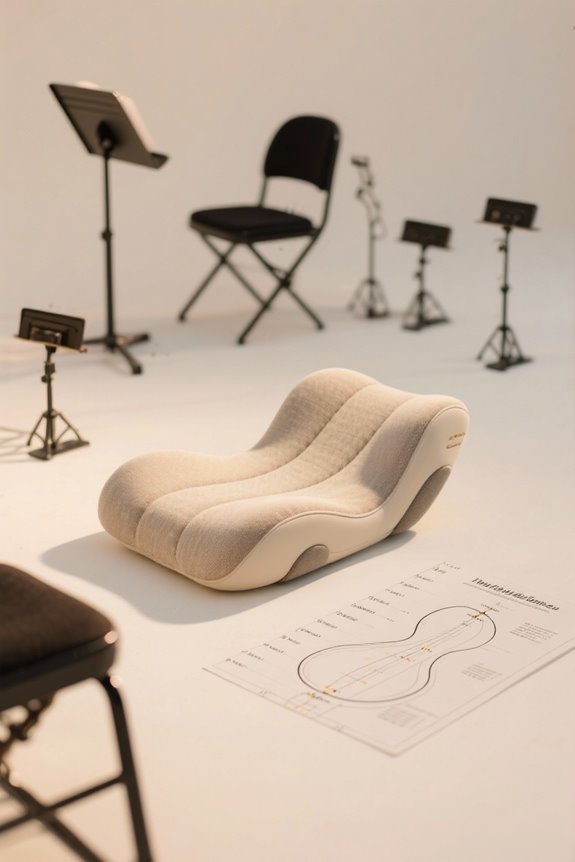
Good posture is essential for musicians, as it sets the foundation for excellent performance! Good posture is characterized by a neutral spine, where the head aligns above the pelvis, promoting symmetry and balance. Musicians should maintain those natural spinal curves to keep the back of the skull and the base of the pelvis as far apart as possible. This positioning particularly enhances comfort and overall effectiveness during play. Regularly checking in front of a mirror helps to adjust posture as needed. Keeping the shoulders relaxed and the hips correctly positioned can also reduce the risk of injury. With these simple adjustments, a musician can dramatically improve their playing efficiency and enjoy a more pleasurable practice experience! Additionally, incorporating features from multi effects processors can enhance overall sound quality and performance.
Recommended Products

Ergonomic Saddle Chair with Back Support - Designed to promote healthier posture, the ergonomic saddle seat and adjustable backrest help reduce pressure on the lower back while providing additional lumbar support during extended sitting.

Note : To ensure proper assembly, please follow all steps provided in the installation manual (provided in pdf below)

PREMIUM COMFORT & SUPPORT: Features a plush, oversized Cordura and vinyl saddle seat, designed to provide exceptional comfort and stability for drummers during long playing sessions.
Guidelines for Sitting and Standing While Playing

Proper positioning is essential for musicians, whether seated or standing! For sitting posture, make certain your pelvis and shoulders are level with the floor, and keep your hips slightly higher than your knees. This helps maintain correct posture and spinal curvature. When standing, distribute your weight evenly across both feet, positioned between pelvis and shoulder width for stability. Remember to keep your spine neutral, with your head aligned above your pelvis, avoiding back pain. Adjust chair and instrument height so your forearms are parallel to the ground while playing. Regularly check your posture in a mirror to spot any misalignments. By focusing on your whole body alignment, you’ll enhance your playing experience and minimize discomfort. Additionally, maintaining optimal body alignment can significantly improve your strumming skills as you learn to play the ukulele. Keep it comfortable and enjoyable!
Recommended Products

Compact, streamlined one-piece smart bidet toilet with integrated personal cleansing. Elongated bowl offers added room and comfort

11 AUTO-PROGRAMMED MASSAGES: Targeted auto-wellness programs are designed to encourage relaxation and energy renewal by soothing tension, promoting muscle lengthening through the back and thighs, and providing reliable well-being support in a zero-gravity recliner.

[ Superior Sound Isolation ] Equipped with 2 layers of soundproof laminated glass, and Acoustic Insulation Structure walls 6 layers (Aluminum frame structure, Film-laminated Steel Panel, PET Sound-absorbing Board, Eco-friendly Acoustic Panel, Premium Textured Fabric), the booth achieves 35dB(±5dB) reduction, ensuring a peaceful, private workspace.
The Impact of Poor Posture on Musicians

Musicians often underestimate the effects of poor posture on their performance and health! When musicians play with poor posture, they risk common injuries, like carpal tunnel syndrome and muscle strain. This not only affects their comfort but also limits their ability to play effectively. Asymmetrical posture creates muscle imbalances, especially during repetitive motions, increasing the risk of injuries. Slouching and twisting can compress spinal discs, reducing blood flow to muscles and leading to long-term pain. Symptoms such as neck pain and fatigue can worsen if left unaddressed. Maintaining proper alignment while practicing is essential; it prevents discomfort and enhances both technique and sound quality. Additionally, ensuring proper key count is crucial for beginners to avoid unnecessary strain during practice. Staying mindful of posture can help musicians enjoy their craft for years to come!
Resources for Improving Posture and Technique

While learning to play an instrument, having access to effective resources can make a world of difference in improving posture and technique. Tools like the Alexander Technique, Body Mapping, and Yoga help musicians enhance their body awareness. For instance, weekly Feldenkrais sessions offer tailored strategies for better alignment. Players can also reassess their posture using mirrors—small adjustments can lead to major improvements in comfort and sound quality. Additionally, utilizing ergonomic attachments and properly adjusting instruments, chairs, and music stands guarantees ideal posture while practicing. Musicians are encouraged to consult physical therapists specializing in injuries to develop personalized stretching and strengthening techniques. These resources not only support good posture but ultimately enrich the playing experience! Furthermore, incorporating acoustic treatment panels in practice spaces can enhance sound quality, thereby encouraging more mindful performance.
Frequently Asked Questions
Why Is Posture Important When Playing an Instrument?
Posture is essential when playing an instrument, as it enhances musical technique, promotes instrument alignment, and fosters body awareness. Proper posture also supports breathing, contributing to overall physical health and reducing injury risks during practice.
What Is the Purpose of Using Proper Posture While Playing?
Using proper posture while playing enhances performance through improved breath control and instrument stability. It offers comfort benefits, reduces injury risk, and fosters effective movement, contributing greatly to overall musical technique and success during practice and performance.
How Does Posture Affect Learning?
Posture affects learning by promoting proper body alignment, reducing muscle tension, enhancing breathing techniques, and facilitating a comfortable instrument grip. These elements collectively support focus, efficiency, and skill development, ultimately improving the overall learning experience.
Why Is Proper Posture Important?
Why ignore the fundamentals? Proper posture is essential for injury prevention, enhances breath control, minimizes muscle tension, improves instrument grip, and elevates stage presence, ultimately leading to a more fulfilling musical experience for the performer.