As an Amazon Associate, we earn from qualifying purchases. Some links on this site are affiliate links at no extra cost to you. Our recommendations are based on thorough research and editorial judgment.


Ergonomics for Musicians: Setting Up Your Practice Space

Creating an ergonomic practice space is key for musicians! Start by choosing a quiet area and arranging furniture for comfort, like adjustable chairs and stands at eye level. Keep distractions low by minimizing clutter and using soundproofing. Incorporate routine breaks and stretches to stay relaxed and focused. Mindful techniques, such as deep breathing, can enhance performance. Remember, the right equipment and posture matter too! Keep going to discover more tips for optimizing your practice environment!
Key Takeaways
- Choose adjustable seating and a well-positioned music stand to promote good posture and reduce strain during practice sessions.
- Incorporate ergonomic furniture and footrests to enhance stability, promote balanced weight distribution, and reduce fatigue.
- Keep the practice area spacious and equipped with proper lighting to improve acoustics and maintain comfort while playing.
- Design a clutter-free environment, limit phone notifications, and establish quiet hours to minimize distractions and enhance focus.
- Implement regular breaks and stretching techniques to relieve muscle tension, improve circulation, and maintain overall well-being during practice.
Assessing Your Practice Space
How can a well-assessed practice space improve a musician’s experience? A thoughtfully arranged practice environment can enhance focus and creativity during practice time. To start, locating your practice space away from shared walls minimizes noise disruptions, ensuring you and your neighbors can enjoy peaceful hours. Spacious areas boost acoustics, giving musicians clearer sound feedback, which is essential for growth. Adequate lighting and climate control support comfort and concentration, helping to create the perfect atmosphere. Additionally, choosing a supportive chair encourages good posture, allowing for longer, more productive sessions. Finally, communicating with neighbors about your schedule promotes good relationships and harmony. Moreover, incorporating humidity control solutions helps protect your instruments from moisture damage. To conclude, a well-assessed practice space sets the foundation for an enjoyable and enriching musical journey!
Recommended Products
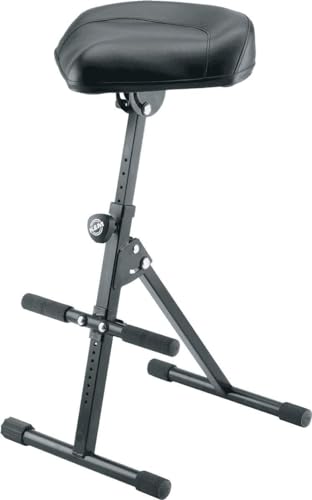
THE INNOVATIVE LEADER IN STAND TECHNOLOGY: K&M Performance Stool’s pneumatic spring lets musicians, pro audio and monitor engineers easily adjust the height and angle of the seat to help prevent leg fatigue. Guitarists love the adjustable footrest too.

SET OF 5 STACKING MELODY BAND/MUSIC CHAIRS: Offers an on-demand, reliable seating solution to keep 7th grade to college students comfortable and supported during practices in the band room or on-stage performances

Brand: Pentabeauty
Furniture and Equipment for Comfort
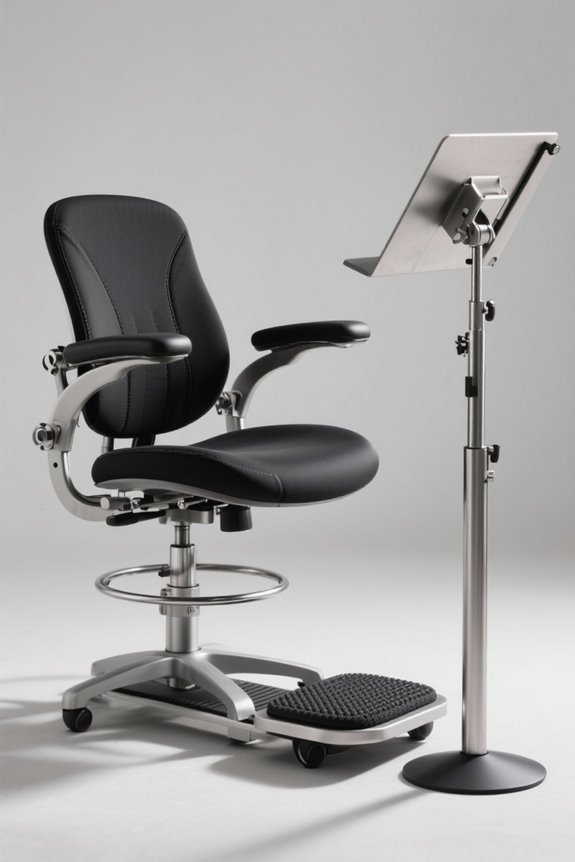
Creating a comfortable and ergonomic setup is vital for any musician’s practice experience. An adjustable chair supports good posture, preventing discomfort during long practice sessions. Pairing this with a music stand that holds sheet music at eye level helps reduce neck strain. To enhance comfort, adding a cushion or wedge can provide much-needed support. Mirrors are also beneficial; they let musicians monitor their posture, encouraging better habits. Additionally, proper lighting is important—soft, indirect light can reduce eye strain, and a preferred room temperature makes practice more enjoyable. Each element contributes to a welcoming space that fosters creativity and productivity! Remember, a well-set-up area can make all the difference in your practice journey! Furthermore, consider investing in a padded keyboard bench to provide optimal comfort and support during your playing sessions.
Recommended Products

HIGH BACK ERGONOMIC SUPPORT: Ergonomic office chair with high back design; leather seat and breathable mesh back support upper and lower back comfort during long desk and computer sessions

14 POINTS OF ADJUSTMENT: Fine-tune your seating with 14 customizable features for all-day ergonomic support. Our ergonomic mesh office chair adapts seamlessly to your body and posture for a truly personalized fit and better focus throughout your day.

REACTIV BREATHABLE BACK SUPPORT: Ergonomic office chair with breathable ReActiv mesh back; flexes with movement to support the back while improving airflow during long work sessions at standing desks
Minimizing Distractions and Noise

A well-organized and comfortable practice space sets the stage for success, but the atmosphere can be just as important. Minimizing distractions in practice rooms is essential. Start by eliminating visual clutter, like work materials and electronic devices, which can pull attention away from the music. Keeping your phone on airplane mode helps, too! Soundproofing can transform your environment; heavy curtains or foam panels reduce external noise, creating a calmer space. If you share a home, designate specific quiet hours to practice, ensuring you respect neighbors and enhance your focus. For electronic instruments, consider using headphones to block out unwanted noise while you explore sound creatively. Each step you take builds a better environment for your musical journey! Additionally, maintaining optimal humidity levels can also enhance the longevity and performance of your acoustic instruments.
Establishing an Effective Routine

While establishing an effective routine might seem challenging, it can greatly improve a musician’s practice sessions. First, commit to specific time blocks each day in your practice room to build consistency. Consider starting your session with a few minutes for pre-practice rituals like deep breathing to help focus your mind. Next, clearly outline your practice objectives; knowing what you want to achieve makes the time spent more productive. Eliminate distractions for a distraction-free environment, allowing your attention to stay on the music. Finally, make certain you’re using ergonomic furniture and positioning your instruments comfortably. Incorporating a stable footstool can enhance your posture and support during lengthy practice sessions. These steps not only enhance comfort but also help sustain your focus during extended practice periods. Remember, a solid routine leads to progress!
Incorporating Mindfulness Techniques

Practice sessions become even more enriching when mindfulness techniques are woven into the routine. By incorporating deep breathing and setting intentions, musicians can create a focused mindset. This approach helps reduce feelings of evaluation apprehension, allowing artists to explore their music freely, make mistakes, and learn from them. Engaging in mindful practices releases tension and worries, ultimately enhancing overall performance quality. Viewing practice as a sacred time encourages a learning atmosphere where distractions are minimized. As musicians embrace mindfulness, they cultivate mental clarity, which improves their practice experience and aids in skill acquisition over time. Remember, making mindfulness part of music practice not only enriches the sessions but also fosters creativity and personal growth! Additionally, exploring customization and features in your music tools can further enhance this mindful practice.
Soundproofing and Acoustics
Creating a great space for music involves understanding soundproofing and acoustics. Effective soundproofing helps reduce noise disturbances for neighbors. Heavy, dense objects can serve as excellent sound barriers. For those on a budget, DIY solutions like foam materials and door seals can greatly minimize external noise during music practice. Musicians with loud instruments, like drums or trumpets, need to take into account acoustics for privacy and harmony in shared homes. Choosing the right room dimensions is important; avoid sharp 90-degree angles that could create unwanted sound reflections. Additionally, employing sound dampening materials, such as mutes or pads, can lower volume levels while still allowing for enjoyable, effective practice. High NRC ratings in acoustic panels significantly enhance sound absorption, making a well-set practice area greatly enhance the overall musical experience!
Essential Accessories for Musicians
A well-designed music space isn’t just about sound; it’s also about having the right accessories that support a musician’s journey. Essential accessories like a comfortable chair and an adjustable music stand help maintain good posture and keep sheet music at eye level. Notebooks and pencils are invaluable for tracking progress and jotting down notes, especially during practice time. Additionally, a reliable electronic metronome and tuner guarantee rhythm and pitch accuracy, two key aspects of musical performance. Timers and clocks help manage practice time effectively, minimizing distractions. Finally, audio/video recorders like the Zoom H4n allow for self-assessment, helping musicians evaluate and improve their performance. A wise music teacher will agree—these tools enhance every musician’s setup! To protect acoustic instruments, consider including a humidity control solution to prevent warping and cracking.
Recommended Products

COMPLETE 16'x20' PORTABLE STAGE INCLUDES: 20 stage decks, black railings (4'x4' sections with connectors), stairs, and black satin skirting panels (16'x28" with velcro attachment)

【Pro-Grade Folding Stage 4x4 ft】: This heavy duty folding stage supports 1102 lbs (500 kg) per square meter. The anti-slip wood panel surface and aluminum frame make it a reliable portable stage platform for touring bands, DJs, and event rental companies.

Bundle Includes: Nord Stage 4 88 88-Key Fully-Weighted Keyboard, Nord Soft Case for Stage EX 88 Piano, Adjustable-Height Z-Style Keyboard Stand, and 88-Key Keyboard Stretchy Spandex Dust Cover (Black)
Ergonomic Posture and Techniques
When musicians think about their posture, they often overlook how deeply it can affect their performance and well-being. Maintaining ergonomic posture is key; it involves keeping a straight back, relaxed shoulders, and comfortably positioned hands. Adjustable chairs and music stands help achieve the right height for strain-free playing. Regular breaks are essential; short 5-10 minute pauses every hour can cut down on muscle tension and reduce eye strain. Utilizing footrests supports proper seating posture, ensuring that feet are stable and balanced. Additionally, incorporating stretches and changing positions frequently enhances circulation and boosts concentration, leading to better performance. By making these adjustments, musicians can feel more comfortable and play their best! Considering the right clarinet outfit can also contribute to ergonomic setup and overall playing comfort.
Frequently Asked Questions
How to Set up a Room for Band Practice?
To orchestrate a harmonious band practice, consider band arrangement tips for seating, employ equipment layout strategies for ideal flow, and apply acoustic improvement techniques for a sound haven, ensuring creativity flourishes amidst organized chaos.
How to Structure a Music Practice Session?
To structure a music practice session, one should define session duration, employ focused practice techniques, implement focus strategies like timed segments, and assess progress at the end to refine future objectives and enhance overall effectiveness.
What Makes a Good Rehearsal Space?
A good rehearsal space features ideal acoustic treatment, effective lighting design, and appropriate furniture choice. For instance, a studio with soundproofing, adjustable lighting, and ergonomic chairs promotes focus and comfort, enhancing overall musical productivity.
How to Soundproof a Room for Music Practice?
Effective soundproofing techniques include installing acoustic panels, using heavy carpets, and sealing gaps with weather stripping. These methods enhance noise reduction, creating a quieter environment conducive to focused music practice and minimizing sound transmission.