As an Amazon Associate, we earn from qualifying purchases. Some links on this site are affiliate links at no extra cost to you. Our recommendations are based on thorough research and editorial judgment.

Beginner’s Guide to Proper Breathing for Wind Instruments

Proper breathing is essential for playing wind instruments! It helps with sound quality, control, and endurance. Beginners should focus on warm-up techniques like lip fluttering and long tones to enhance breath control. Practicing diaphragmatic breathing can greatly improve air support. Next, try interval breathing exercises and consider using breathing aids for better results. Also, don’t forget about maintaining good posture to allow for free airflow. Stick around to discover even more helpful breathing tips and techniques!
Key Takeaways
- Master diaphragmatic breathing by allowing your belly to expand and contract, ensuring maximum air intake for improved breath support.
- Practice long tones to enhance pitch stability and volume control, vital for developing consistent airflow and sound quality.
- Incorporate interval breathing exercises into your practice, helping to manage breath timing during scales and musical passages.
- Maintain good posture by aligning your body, which supports free breathing and optimizes tone quality while playing.
- Use breathing tools like breathing bags to visualize and strengthen your air control muscles, improving overall breath management.
The Importance of Warm-Up Techniques
When musicians warm up before playing a wind instrument, they set themselves up for success! Warm-up techniques are essential for developing breath control and enhancing lung capacity. Engaging in simple breathing exercises, like lip fluttering and mouth stretching, prepares the body for playing, making it easier to produce sound. These warm-ups also help relax the lips and tongue, preventing tension. Sustained notes during practice not only improve pitch accuracy but also promote a smooth shift into performance. Plus, a consistent warm-up routine strengthens vocal health, making it easier to avoid fatigue and injury over time. With proper breathing habits in place, musicians can enjoy a richer sound and a more enjoyable playing experience! Additionally, when selecting accessories, it’s beneficial to consider material quality since it impacts sound and durability.
Understanding Breath Control and Support

Breath control is a fundamental skill that every wind instrument player must master, as it directly influences the quality of sound produced. Effective breath support comes from engaging the diaphragm and abdominal muscles, allowing for deeper breaths and better air pressure management. By practicing diaphragmatic breathing, musicians can enhance their steady air flow, resulting in clearer notes. Understanding individual lung capacity helps players gauge breath needs for each phrase, improving overall performance. Long tones are particularly useful for developing breath control, as they require maintaining volume and pitch for longer periods. Remember, consistent practice of these techniques builds confidence and makes a noticeable difference in sound quality! With patience and practice, mastering breath control will elevate your playing! Additionally, like maintaining safety standards in emergency kits, ensuring proper breath support is crucial for reliable performance during playing.
Breathing Exercises for Wind Instruments
How can players make their breathing more effective during practice sessions? Incorporating specific breathing exercises can greatly enhance breath control. Long tones are essential; players should sustain a note at a comfortable pitch while focusing on steady volume. Gradually increasing the duration of these notes builds endurance. Interval breathing exercises teach efficient breath management by allowing players to breathe at strategic points during scales or arpeggios. Utilizing a breathing bag helps strengthen breathing muscles, improving control. Furthermore, practicing diaphragmatic breathing, where the belly rises instead of the chest, maximizes air intake. Engaging in simple yoga breathing techniques can also enhance lung capacity. Together, these methods support sustained notes and overall performance! Additionally, maintaining strong breath control contributes to a more powerful sound when playing instruments like the bass guitar. Happy practicing!
Recommended Products

QUICKLY BOOSTS STAMINA: Achieve results with the Expand-A-Lung original design, trusted by conditioning enthusiasts since 2004. Our easy-to-use adjustment knob provides a wide range of resistance to help you build core airflow strength. Ideal for competitive athletes looking to maximize training efficiency for better physical performance and energy

6-liter capacity medical supply grade rubber air bag

5-liter capacity medical supply grade rubber air bag
Common Breathing Issues and Solutions
Many wind instrument players encounter common breathing issues that can affect their performance. Shallow breathing, shown by high-pitched inhales and raised shoulders, diminishes sound quality and endurance. Practicing diaphragmatic breathing helps! Weak exhalation can hinder tone and pitch; try controlled exhalation exercises or the Sizzle technique to support your air. Tension from a constricted mouth or upper torso blocks airflow, so remember to keep your mouth relaxed and your airways open. Avoid raising your shoulders while inhaling; focus on expanding your rib cage and using your abdominal muscles! Recognizing signs of ineffective breathing, like light-headedness, is essential. Adjusting your posture can greatly enhance your breath control and overall performance. Incorporating techniques utilized in managing ideal humidity levels can further improve your overall musicianship! Embrace these techniques to elevate your musicianship!
Recommended Products

The Original AirPhysio: The AirPhysio breathing exercise device for lungs is an internationally recognized portable breathing trainer used worldwide to support lung capacity, clear airways, and promote better breathing performance.
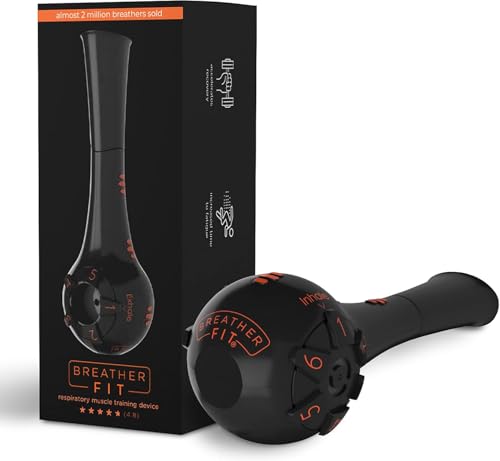
Enhance Lung Strength & Breathing Endurance: Take your respiratory health to the next level with The Breather Fit Respiratory Trainer. Designed to increase lung capacity, strengthen diaphragm muscles, and improve overall breathing efficiency, this lung training device is ideal for anyone looking to boost stamina, endurance, and oxygen intake.

Lightweight 1oz device, Designed for use during exercise.
Exploring Instrument-Specific Breathing Techniques

While each wind instrument has its unique sound and style, understanding instrument-specific breathing techniques is essential for all players. For saxophone players, focusing on breath from the corners of the mouth helps fill the lower lungs, enabling control over sustained notes. Trumpet players can practice breathing techniques by blowing air against their palm or using crumpled paper to develop better breath control. Flute players benefit from the “Hawaii breathing” method, expanding both the diaphragm and ribcage. Oboe players should take slow in-and-out breaths, while French horn players excel with circular breathing for seamless sound. Consult a music teacher for personalized practices to create beautiful music with woodwind and brass instruments! Additionally, incorporating the right acoustic control features can greatly enhance your overall playing experience and sound quality.
Recommended Products

MINDFULNESS NECKLACE: Our deep breathing tool is designed with the perfect opening and two-flow airway to provide the ideal resistance for your exhalation,which is scientifically researched to have a calming effect on the human brain, relaxing the brain, balancing the body's energy, and relieving stress, thus improving the quality of sleep and relieving anxiety

Official LOVETUNER necklace is a revolutionary mindfulness tool, a single tone flute through which we can align ourselves with the 528hz frequency, the so called “Love Frequency”

DUAL-ACTION BREATHING TRAINER – Combines inspiratory muscle training and vibrating PEP exhalation in one device for complete lung exercise and airway clearance
Maintaining Good Posture for Efficient Breathing
Good posture plays an essential role in achieving efficient breathing, and every musician should prioritize it! With good posture, a symmetrical and well-balanced torso allows for free breathing, boosting tone quality and airflow. To maintain this position, align your shoulders, hips, and feet while avoiding twisted torsos or collapsed bodies, which can really hinder your performance. Standing is often preferred for foundational support, but sitting requires proper alignment too, keeping your shoulders with your hips. During practice sessions, try exercises like the “invisible string” to reinforce this posture and support taking a full breath. Remember, breathing is essential to your playing, and good posture makes all the difference in creating beautiful music! Additionally, understanding how ergonomic designs for instruments can enhance posture is crucial for optimal performance. Let’s keep those bodies aligned!
Developing Stamina and Lung Capacity
Developing stamina and lung capacity is essential for musicians who play wind instruments, as it enhances their overall performance and enables longer, more expressive phrases. Regular practice of breathing exercises can lead to marked improvements. Interval breathing exercises, where breaths are taken during scales, help with breath management. Using a breathing bag adds resistance, building the muscles needed for effective breath control and stamina. Additionally, incorporating yoga and pranayama techniques can boost lung capacity while improving overall breath control. Consistently focusing on long tones encourages players to sustain notes, gradually increasing both duration and dynamic variations. These practices create a solid foundation for mastering longer phrases and elevating musical expression! Furthermore, sound quality and clarity are significantly influenced by proper breath control, which enhances overall musical performance. So, embrace these techniques for better playing today!
Incorporating Breathing Techniques Into Your Practice Routine
Incorporating breathing techniques into a practice routine is essential for anyone playing a wind instrument, as it leads to better control and expression! Musicians should focus on diaphragmatic breathing, which encourages the belly to rise and fall, maximizing air intake. Additionally, practicing long tones helps improve breath control; aim to hold a single note while maintaining a steady pitch and volume. Interval breathing exercises during scales allow players to take a breath at strategic points, enhancing breath management. Using tools like a breathing bag can also strengthen air control muscles. Finally, integrating yoga and techniques like pranayama can improve lung function and transfer skills into performance, making your music resonate even more!
Recommended Products

YVS-100 Venova - Casual Wind Instrument with Carrying Case, Reed, Mouthpiece and Guidebook, in White
The original Yamaha Venova YVS-100 combines the simplicity of a recorder, the soothing sounds of a saxophone and the ease of portability for casual playing for beginners and professionals alike
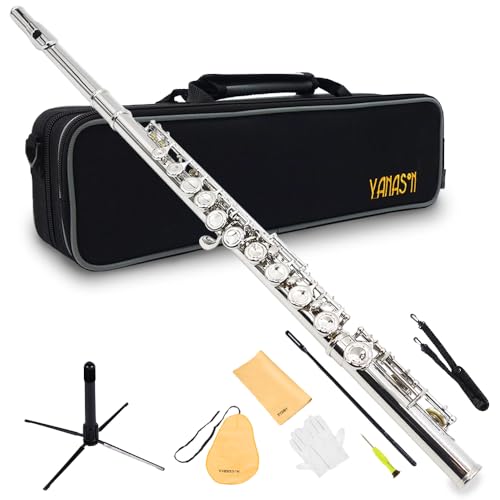
Carefully materials:The flute body is made of a copper-nickel alloy, high-quality special flute springs are used to make memory spring pins, and sheepskin gaskets improve sealing performance, allowing even the slightest changes in breathing to be perfectly transmitted through the flute sound
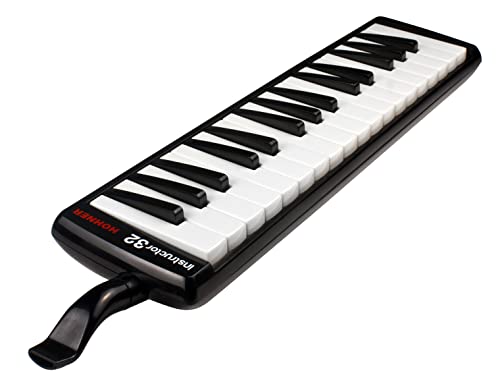
Resources for Enhancing Your Breathing Skills
While mastering breathing skills is essential for any wind instrument player, having the right resources can make the journey even smoother! Engaging in breathing exercises, like diaphragmatic breathing and interval breathing, can greatly enhance your control and lung capacity. Consider using a breathing bag, which helps visualize how much air your body fills with as you inhale and exhale. Additionally, incorporating yoga techniques, such as pranayama, can improve lung function for better breath support. Practicing long tones allows musicians to focus on maintaining steady pitch and volume, crucial for building breath control. Finally, utilizing online tutorials, apps, and community support can further assist in mastering these effective breathing techniques, ensuring that your body fills with air effortlessly! Using high-quality materials in your instrument can also influence your overall breath support and control, making your practice more effective.
Recommended Products

QUICKLY BOOSTS STAMINA: Achieve results with the Expand-A-Lung original design, trusted by conditioning enthusiasts since 2004. Our easy-to-use adjustment knob provides a wide range of resistance to help you build core airflow strength. Ideal for competitive athletes looking to maximize training efficiency for better physical performance and energy

QUICKLY BOOSTS STAMINA: Achieve results with the Expand-A-Lung original design, trusted by conditioning enthusiasts since 2004. Our easy-to-use adjustment knob provides a wide range of resistance to help you build core airflow strength. Ideal for competitive athletes looking to maximize training efficiency for better physical performance and energy

Smooth and Flexible Design: Made from high-quality synthetic rubber, these bags expand and contract easily for consistent performance in kits or equipment setups.
Frequently Asked Questions
How to Breathe While Playing a Wind Instrument?
To breathe while playing a wind instrument, one must master breath support and diaphragm control. Practicing proper posture and engaging in breathing exercises enhances airflow management, ensuring fluid sound and effortless expression throughout each performance.
What Is the 4 7 8 Rule?
The 4 7 8 rule is a breathing technique that enhances lung capacity and air support, promoting stress reduction and improving musical expression. It involves inhaling for 4 seconds, holding for 7, and exhaling for 8.
What Is the 5 5 5 Breathing Rule?
The 5 5 5 technique involves inhaling, holding, and exhaling for five seconds each, enhancing diaphragm control. These breathing exercises improve breath support and relaxation methods, benefiting overall performance stability and reducing tension during play or practice.
What Is the 444 Rule for Breathing?
The 444 Rule for breathing is a structured technique involving inhalation, retention, and exhalation over four counts, enhancing breath control and lung capacity. This method aids musicians in managing performance anxiety during wind instrument practice.


