As an Amazon Associate, we earn from qualifying purchases. Some links on this site are affiliate links at no extra cost to you. Our recommendations are based on thorough research and editorial judgment.


How Learning Music Improves Memory and Brain Function

Learning music boosts memory and brain function by activating different areas of the brain, improving cognitive skills, and developing stronger neural pathways! When children engage with music, they often show better memory and attention. Playing an instrument can enhance problem-solving and creativity too. For instance, strumming a guitar or singing along can help recall important memories. By exploring the fascinating connections between music and memory, you might discover even more benefits waiting for you!
Key Takeaways
- Learning music engages multiple brain areas, enhancing memory retention and cognitive function through increased neural connectivity.
- Regular practice of music lessons follows the “use it or lose it” principle, reinforcing memory pathways and attention skills.
- Playing instruments stimulates reward centers in the brain, promoting cognitive flexibility and problem-solving abilities.
- Familiar music serves as a powerful mnemonic device, aiding in the recall of information and past experiences.
- Music education during childhood correlates with improved learning capabilities and emotional connections, benefiting cognitive development over time.
The Science Behind Music and Memory
Have you ever wondered how music can help improve memory? Music plays a key role in activating areas of the brain related to memory and emotion. For instance, the hippocampus and prefrontal cortex work together to enhance memory retrieval and formation! Research shows that familiar music can act as a powerful mnemonic device, helping you learn faster. Curiously, people exposed to music as children often report better learning abilities later in life. Additionally, older adults engaging in music, like taking piano lessons, experience improved cognitive function and memory retention. Also, music can change the emotional tone of our memories, showcasing how music doesn’t just help us remember—it shapes our experiences! Isn’t that fascinating? Even learning to play an instrument, such as the Cremona SV-75, can aid in the development of cognitive skills.
How Music Engages the Brain
Music captivates the brain in remarkable ways! When we listen to music, it activates various brain regions, not just those for hearing. This engagement boosts brain health, influencing emotional responses and enhancing memory. Familiar and structured music aids memory retention, helping to build effective learning frameworks. In contrast, irregular music can confuse cognitive processes, making it harder to remember important information. Music therapy is particularly beneficial for individuals with dementia; familiar melodies can evoke memories and stimulate brain activity linked to emotion. By participating actively in music, individuals strengthen neural pathways, adhering to the “use it or lose it” principle. Moreover, learning to play an instrument enhances brain function and memory, further enriching cognitive abilities and supporting overall mental health. Overall, music isn’t just entertainment; it is an essential tool for cognitive and emotional well-being!
Strengthening Neural Pathways

Strengthening neural pathways through learning music is a fascinating process that benefits brain health in many ways. When students take music lessons, they engage multiple areas of the brain, enhancing brain activity and emotion regulation. Regular practice of music skills follows the “use it or lose it” principle, whereby frequent use builds stronger neural pathways while infrequent playing leads to decline. Additionally, musical training fosters new connections, improving memory retention and attention skills. Engaging with music also activates reward centers in the brain, promoting the essential brain plasticity needed for those strong connections. This means that learning music not only supports artistic expression but also enhances problem-solving abilities and cognitive function, making it a valuable investment in brain health! Moreover, regular engagement with ear training devices can significantly enhance a musician’s listening skills, further amplifying these cognitive benefits.
The Role of Music in Cognitive Development

While it may seem surprising, engaging with music during childhood plays a significant role in cognitive development. Research shows that music can improve memory and attention, leading to better learning abilities. A striking 68% of children exposed to music report excellent learning capabilities, compared to just 50% of those without musical experiences. Learning to play an instrument structures memory frameworks, enhancing retention. Additionally, participation in music activates brain regions linked to emotion and memory, boosting overall cognitive function. For older adults, active musical engagement promotes mental health and improved cognitive performance. Overall, music is a powerful tool that shapes cognitive growth and continues benefiting individuals throughout their lives. It’s never too late to explore! Furthermore, utilizing condenser microphones during music practice can enhance sound quality and provide clearer audio feedback, further improving learning experiences.
Music’s Impact on Learning and Retention

Engaging with music not only enhances cognitive growth but also plays an essential role in learning and memory retention. Research shows that music’s potential can create effective memory frameworks, allowing individuals to grasp new concepts faster. For instance, children exposed to music during their early years often rate their learning abilities as “excellent” or “very good.” This strong connection highlights how music boosts cognitive function. When studying with music, many achieve better focus and concentration, retaining information more effectively. The celebrated “Mozart Effect” demonstrates a link between classical music and improved mental performance. Additionally, music theory books offer structured learning experiences that can further enhance memory skills and cognitive development. Ultimately, incorporating music into daily learning can greatly enhance memory retention and overall learning abilities. So, why not turn up the tunes and study? It’s worth a try!
Recommended Products


🎵【4 Built-in Stereo Speakers for Fuller Vinyl Sound】Enjoy warm, room-filling audio from this vinyl record player with 4 built-in stereo speakers. The integrated acoustic design delivers balanced sound for daily listening, making it easy to enjoy your favorite vinyl records without needing extra speakers.

POWERFUL STEREO & DEEP BASS: Our cassette tape player is equipped with dual 3W stereo speakers for loud, clear, immersive sound. The advanced X‑BASS system delivers punchy, enhanced bass, while the compact design ensures rich, balanced audio for an enjoyable listening experience
Emotional Connections and Memory Recall
When people hear a favorite song, memories can come rushing back, bringing smiles or even a sense of nostalgia. Music creates strong emotional connections, which can enhance memory recall. Studies show that familiar tunes act like triggers, bringing to mind important events from the past. The hippocampus and prefrontal cortex, brain areas linked to memory and emotion, are actively engaged when listening to music. Emotional moments tied to specific songs often form deeper memory pathways than everyday experiences. This means that music can help revisit cherished memories with clarity. Even in cases like dementia, the right tunes can awaken forgotten memories, illustrating just how powerful music can be in shaping emotional memory! Additionally, learning to play an instrument, such as a mandolin’s impact on memory, may further strengthen cognitive skills and memory retention.
Music Therapy for Cognitive Health
Music therapy unfolds a world of possibilities for cognitive health, especially for those facing challenges like dementia. This therapeutic approach markedly enhances cognitive function and memory retention by activating brain regions linked to memory and emotions, such as the hippocampus and prefrontal cortex. When familiar music is introduced, it can evoke powerful emotional connections, often helping individuals recall long-lost personal memories. Regular music therapy sessions can lead to notable improvements in both mood and memory, providing comfort and joy to those with cognitive impairments. Although it’s not a cure for cognitive decline, music therapy serves as a valuable complement to traditional treatments, offering a holistic way to boost cognitive health and emotional well-being for everyone involved! Moreover, engaging in music activities like jamming can foster musical creativity and enhance collaborative skills, further enriching the therapeutic experience.
Recommended Products

Kasina Includes: The Kasina console, backlit Ganzframes with LCD, USB cable power supply to keep your system charged, stereo patch cable, MicroSD card, and soft carry case

Playing vs. Listening: The Brain Benefits
Active music playing offers remarkable benefits for the brain that go far beyond mere enjoyment! When individuals engage in playing an instrument, they boost memory, attention, and overall cognitive function. Studies reveal that those who play instruments show greater improvements in working memory and processing speed compared to those who simply listen to music. Playing involves multiple brain areas, which leads to stronger brain benefits than listening alone. This active involvement not only stimulates reward centers in the brain but also promotes cognitive flexibility and problem-solving skills. Notably, musical training has also been linked to a lower risk of developing dementia, as it helps strengthen cognitive reserves. So, whether you’re strumming a guitar or tapping a piano, the benefits are clear! Additionally, engaging with a musical instrument allows for enhanced cognitive function, which is crucial for developing skills in other areas, including learning to play an understanding instrument like drums.
Recommended Products
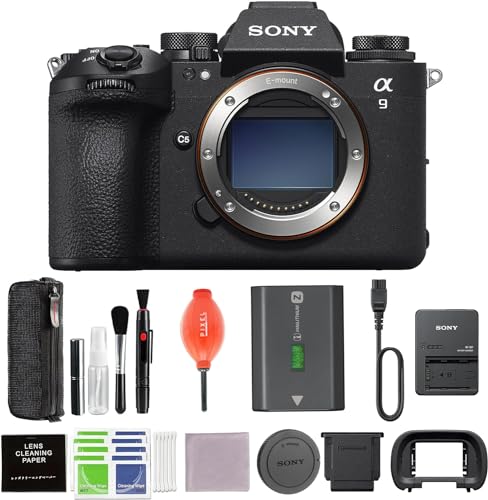
The Alpha 9 III introduces the world's first full-frame sensor with a global shutter, capturing fast-moving subjects without distortion, thanks to simultaneous pixel exposure and reading.

✅Bundle Accessories - The Fujufilm X-H2 Mirrorless Camera Body bundle includes XF16-80mm Lens, in the box accessories as well as 64GB SD Card, Gadget Bag 200 Series, Blower, Pixel Cleaning Kit, Card Reader.

High Resolution: With Sony 100-400mm Lens, the picture quality is not compromised throughout full the zoom range. The lens aspherical component overcomes spherical aberration and distortion & the ED glass elements minimize the chromatic aberration.
Everyday Ways to Incorporate Music
How can one easily incorporate music into everyday life? Adding music to daily routines can be done in simple ways! Try listening to different genres while doing chores or studying—this can challenge your brain and enhance cognitive functions. Engaging in active music activities, like learning an instrument or singing with friends, promotes memory retention and emotional well-being. Consider background music while working; studies suggest that this exposure leads to better learning outcomes! Create playlists for workouts, meals, or relaxation times. Nostalgic tunes can evoke memories, strengthening those neural pathways. Frequent music experiences not only foster creativity but also reduce stress, making life more enjoyable. Remember, a little music can go a long way in boosting your day! Additionally, keeping instruments like guitars in optimal condition is crucial, and ideal humidity levels can help preserve their sound quality and longevity.
Recommended Products

ULTRA POWER, PERFORMANCE, AND PRODUCTIVITY – The newest ThinkPad T14 is engineered for demanding business users, with AI-enhanced performance that streamlines workflows and boosts efficiency. Advanced cooling keeps the system running at peak performance, while its military-grade tested chassis, portable 3.05 lbs build, and long-lasting battery provide confidence and durability for work on the go.

【Ryzen 7 8745HS | AI Productivity & Everyday Multitasking】 Need a laptop that keeps up with AI tools, browser tabs, documents, video calls, and spreadsheets at the same time? Built for students, remote workers, creators, and business users, the AMD Ryzen 7 8745HS processor helps you move through ChatGPT research, Copilot writing, reports, classes, and meetings with smoother response and less waiting.

【Powerful AI & RDNA3 Graphics Capability】Packed with AMD Ryzen 7 8745HS, RDNA3 Radeon 780M onboard graphics and 45W TDP tuning, this laptop delivers steady AI computing and fluid graphic rendering. It smoothly runs office forms, 3D modeling, data simulation, design software and mainstream casual AAA games, ideal for designers, students and home gamers tackling diverse daily tasks.
Overcoming Cognitive Challenges With Music
In a world where cognitive challenges can arise at any age, incorporating music into daily life offers a remarkable way to boost brain function. Music therapy is a powerful tool for improving memory retention and cognitive functions, using familiar melodies to enhance learning. Engaging in music activities activates various brain networks, creating new pathways that benefit people, especially older adults facing cognitive decline. It’s interesting how structured music can act as a mnemonic device, making information easier to remember! For instance, playing simple tunes while studying can streamline planning and problem-solving skills. Additionally, music therapy has even shown success in helping individuals with dementia recall cherished memories, highlighting the transformative power of music in overcoming cognitive challenges! Music kits, such as those that include acoustic bass guitars, can also promote engagement and serve as a dual learning tool by introducing musical skills alongside cognitive benefits.
Recommended Products

There are many Aerial Yoga Hammocks on the market, but our Basic Aerial Yoga Hammock is made from Certified Quality Material And Hardware. 1 x 5.5 yards Elastic aerial hammock , 2 x Steel Screw-lock Carabiners (25KN), 2 x 3ft Nylon Reinforced Daisy Chains (23KN).Max rated for 2,059 pound dynamic load.

ENCOURAGE CREATIVITY — Give your child the gift of music! These music learning toys provide your little one with a unique way to express their creativity and musicality; Inspire them to sing, play and learn with this engaging wooden instrument set!

Cards are categorized by focus area, topic, and difficulty level.
Future Research Directions in Music and Memory
Research into music and memory is entering an exciting new phase! Future research is set to explore how familiar music can serve as a powerful mnemonic device, helping people retain memories better. Studies are also examining the emotional impact of music, showing that it can change the feelings attached to memories. This is particularly important for developing music-based therapies for mood disorders like PTSD and depression. Additionally, ongoing research aims to connect musical engagement with boosted cognitive function in older adults, which may help reduce dementia risks. Scientists are investigating how high-frequency brain waves interact with music to strengthen memory retention. These directions promise to deepen our understanding of the vibrant relationship between music and memory!
Frequently Asked Questions
How Does Music Help Improve Memory?
Music enhances memory through auditory stimuli effects, fostering emotional connections that strengthen memory retention strategies. Additionally, it improves pattern recognition skills and cognitive flexibility enhancements, which collectively facilitate better information retention and retrieval processes.
How Does Learning Music Benefit the Brain?
Learning music benefits the brain by enhancing cognitive development, fostering emotional regulation, improving pattern recognition, and boosting multitasking skills while promoting neuroplasticity enhancement, resulting in a more adaptable and resilient cognitive structure throughout life.
Does Listening to Mozart Really Boost Your Brainpower?
“Music soothes the savage beast.” The Mozart effect suggests brief cognitive enhancement through classical training, stimulating neural pathways and improving auditory processing. However, significant long-term brainpower boosts remain unproven beyond temporary effects on specific tasks.
Does Music Use 100% of Your Brain?
Music does not use 100% of the brain. However, neuroscience behind music demonstrates enhanced brain hemisphere coordination and cognitive engagement levels, improving auditory processing skills and yielding positive effects from musical training on neural pathways.