As an Amazon Associate, we earn from qualifying purchases. Some links on this site are affiliate links at no extra cost to you. Our recommendations are based on thorough research and editorial judgment.
How to Pick the Right Instrument Based on Your Personality

Picking the right instrument starts with knowing your personality! Outgoing folks may love brass, while introverts often find joy in strings. If you thrive on energy, percussion might be your jam. Consider what music you enjoy too. Are lyrics essential? Try guitar or piano! Remember, your learning style matters as well; structured learners excel with piano, while creative types shine with guitar. Explore your options, and you’ll discover the perfect fit for you! There’s more insight ahead!
Key Takeaways
- Identify your personality traits: outgoing individuals may enjoy brass instruments, while reserved people might prefer strings.
- Consider your music preferences: upbeat music lovers often resonate with percussion, while those who enjoy melodies may lean towards strings.
- Evaluate your learning style: structured learners excel with piano, while energetic individuals thrive with percussion instruments.
- Reflect on your social tendencies: extroverts may prefer group-oriented instruments like brass or woodwinds, while introverts might enjoy solo string instruments.
- Explore the commitment level of instruments, as some require more dedication for mastery while others are easier to learn initially.
Understanding Your Personality Traits
Have you ever wondered how your personality might influence your choice of musical instrument? Understanding your traits can help you find the instrument best suited to you! For instance, outgoing individuals often feel drawn to brass instruments like trumpets or trombones, as these create a strong, commanding presence. If you have a lively and humorous nature, woodwinds like clarinets and saxophones may be your match, perfect for a fun, relaxed approach to music. Self-conscious or reserved people might gravitate toward string instruments, like violins and cellos, which allow for expressive melodies. Finally, energetic and physically active individuals often shine with percussion instruments, such as drums, due to their need for coordination and teamwork. Additionally, exploring the right fit and strength can reveal your musical potential!
Overview of Musical Instrument Groups

Musical instruments come in diverse groups, each with its own unique qualities and characteristics! These four main categories are Brass, Winds, Strings, and Percussion. Brass instruments, like trumpets and trombones, are powerful and bold, perfect for lively personalities. Woodwind instruments, such as flutes and clarinets, create soft, smooth sounds that attract creative and quirky individuals. String instruments, including violins and cellos, produce beautiful melodies that resonate with those who value subtlety and precision. Finally, percussion instruments like drums and cymbals bring energy to music with their dynamic beats, appealing to individuals who are reliable and strong. Understanding these musical instrument groups can help you find the perfect match for your personality! Additionally, exploring acoustic bass kits can introduce you to versatile sounds and enrich your musical experience through their unique properties. Happy exploring!
Identifying Your Music Preferences

When considering which instrument to play, understanding personal music preferences is essential. Individuals who love lyrics and storytelling may find joy in the guitar or piano, as these instruments beautifully accompany vocals. If upbeat, energetic music gets hearts racing, percussion instruments might resonate well, providing a strong rhythmic foundation. For those captivated by intricate melodies, string instruments like the violin or cello often offer complex, soulful sounds to explore. Additionally, if engaging with a variety of sounds excites you, consider instruments like the saxophone or flute, known for their smooth, resonant tones. By identifying what truly moves you musically, selecting the right instrument becomes an exciting and fulfilling journey! Exploring high-density mahogany drum options for your first djembe can lead to a great start on your percussion adventure.
Exploring Personality and Instrument Connection

Understanding the connection between personality and the choice of musical instruments can open up exciting paths for aspiring musicians. For those drawn to bold performance experiences, brass instruments like trumpets or trombones might be the right instrument to play. If you enjoy a fun, laidback vibe, consider woodwinds like the clarinet or saxophone! For more introspective individuals who thrive on precision, string instruments such as violins or cellos may resonate well. Meanwhile, percussion instruments appeal to strong, reliable folks who value teamwork and collaboration. Finding an instrument that matches your personality not only makes learning enjoyable but can also deepen your musical journey. Additionally, beginners exploring active bass beginner packages can greatly enhance their musical experience. So, explore these options to discover the best fit for you!
Quiz: Discover Your Ideal Instrument

How can someone find an instrument that truly fits their personality? Taking a quiz designed to explore your interests can certainly help! The quiz starts with multiple-choice questions about your ideal practice settings and favorite music genres. It also assesses your energy levels, group dynamics, and improvisation preferences. By the end, it dives into how you focus during performances and your creative goals in music. Based on your answers, the quiz offers tailored recommendations for the right instrument! This makes the often overwhelming choice much simpler. Whether you’re drawn to the strings or the beat, this quiz encourages you to find an instrument that resonates with who you are, ensuring your musical journey is both enjoyable and fulfilling! Additionally, instruments like the EASTROCK 32 Key Melodica, which is lightweight and portable, can enhance your playing experience by allowing for easy transport during lessons.
Popular Instruments and Their Characteristics
Exploring popular instruments reveals a fascinating array of choices that cater to different personalities and musical styles. The piano is a versatile instrument, great for learning music theory and can play anything from classical to pop. For those who are passionate, the violin’s expressive tones shine in classical and jazz, though it requires precision. The guitar, often a casual instrument, welcomes beginners with its easy learning curve and diverse genres like rock and folk. Meanwhile, the saxophone captivates with warm sounds, perfect for social musicians who enjoy jazz and improvisation. Finally, drums offer rhythmic energy, ideal for those who thrive on movement and excitement in various music styles. Each instrument presents unique opportunities for self-expression! Additionally, considering the importance of signal integrity can enhance your overall sound quality when pairing your instrument with effects.
Recommended Products
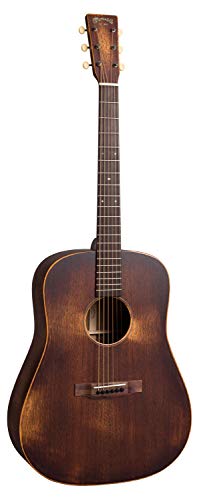


CARBON FIBER and DURABLE: Take your guitar with you, whether it’s camping, hiking or gigging with this full-sized, lightweight traveler guitar made out of durable carbon fiber, a composite material that will not warp or crack over time unlike wood instruments. Carbon fiber has a very high strength to weight ratio, which means it’s tough, resonant, and resistant to temperature and humidity changes.
Learning Styles and Instrument Suitability
Choosing the right musical instrument can be a fun journey, especially when considering personal learning styles and preferences! Individuals who thrive in structured environments might find the piano perfect for grasping music theory and scales. Those with high energy could enjoy percussion instruments, which encourage active participation. If someone is more introverted and detail-oriented, the violin offers focus and allows for deep personal expression. Extroverts may prefer brass or woodwind instruments like the trumpet or saxophone, which shine in group performances. Finally, creative learners might love the flexibility of guitars or saxophones, as these instruments allow for improvisation and unique self-expression. Each instrument aligns differently, so find one that matches your musical personality! Additionally, beginner acoustic guitar kits often include essential accessories that can enhance the learning experience, such as tuning equipment and instructional materials.
Recommended Products

Solid Canadian Cedar top with rosewood Binding, high gloss natural finish

CARBON FIBER and DURABLE: Take your guitar on your next trip, whether it’s camping, hiking or traveling to a place you’ve never been with this travel-sized guitar made out of durable carbon fiber, composite material that will not warp or crack over time unlike wood instruments. Carbon fiber has a very high strength to weight ratio, which means it’s tough, resonant, and resistant to temperature and humidity changes.
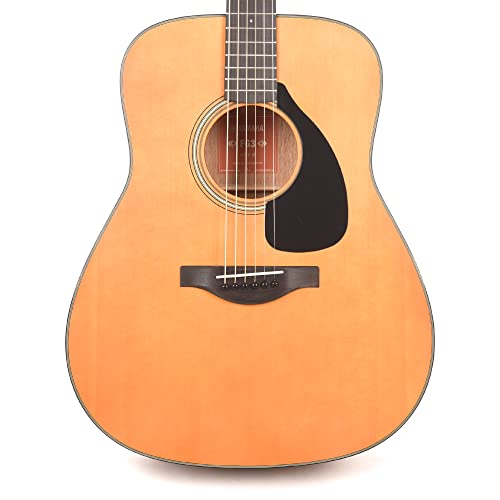
6-string Acoustic Guitar with a Solid Sitka Spruce Top
Tips for Choosing the Right Instrument
When starting on the adventure of selecting the right musical instrument, it’s essential to think about personal preferences and characteristics! Consider your personality traits; extroverts might thrive with bold brass instruments, while the reserved may connect with introspective strings. Your favorite music genre can also guide your choice—saxophones are perfect for jazz lovers, and guitars rock for rock enthusiasts. Pay attention to your energy levels; if rhythm excites you, drums are a great starting instrument! Social preferences matter too; collaborative spirits may enjoy violins or flutes. Finally, reflect on your learning style and practice time. Some instruments, like the guitar, are easier to pick up without formal music lessons, while others need commitment to help you find the perfect instrument on your musical journey! Additionally, consider the battery life of amplifiers, as it can impact your performance schedule and how often you need to recharge during gigs.
Recommended Products

Solidbody Electric Guitar with Ash Body

Lacquer Finished Alder Body

The combination of a soft vintage v-shaped neck, modern flat 12" freeboard radius, and medium jumbo frets, offers a fast and comfortable playing experience unlike any other.
Benefits of Playing an Instrument
Playing an instrument opens up a world of benefits that can positively impact various aspects of life. First, it enhances cognitive skills, boosting memory and attention through complex tasks. Imagine solving problems while enjoying music! Additionally, engaging with music greatly reduces stress, promoting better emotional health. Learning to play also fosters discipline and patience, as mastering techniques takes consistent practice. Plus, musical involvement encourages social interaction; whether in a band or ensemble, friendships blossom through collaboration. Finally, musicians often excel academically, especially in math and reading, thanks to the analytical skills developed through music education. Overall, playing an instrument enriches life in countless ways, making it a rewarding journey worth starting! Moreover, structured courses on instruments, such as strumming techniques, can provide invaluable support for learners looking to refine their skills.
Resources for Learning and Improvement
Learning to play an instrument can be an exciting adventure, and many resources are available to help along the way! One great resource is Superprof, which connects students with skilled music instructors tailored to their needs. There are also plenty of online learning platforms offering instructional videos and music theory websites to enhance self-study. Joining local music groups or ensembles not only provides practical experience but also fosters collaboration and learning among fellow musicians. Additionally, music applications and software can streamline practice routines, aid ear training, and help with composition. Regular feedback from instructors or peers is essential; it helps identify areas for growth, building confidence and skills along the musical journey. Moreover, utilizing tools such as DSP noise reduction can significantly improve your sound quality and overall performance as you practice. Immerse yourself and explore these valuable resources!
Frequently Asked Questions
How Do I Know Which Instrument Is Right for Me?
Determining the right instrument involves evaluating one’s musical preferences, social inclinations, and desired level of challenge. Engagement in various genres, collaboration tendencies, and personal interests guides individuals toward an instrument that resonates with their identity.
What Instrument Is Best for ADHD?
For individuals with ADHD, focus instruments like drums and saxophones excel due to their energetic engagement and expressive improvisation. Additionally, brass instruments facilitate social interaction, creating a dynamic musical experience that fosters creativity and teamwork.
What Is the #1 Easiest Instrument to Play?
The ukulele is often regarded as the #1 easiest instrument to play, showcasing high instrument accessibility due to its simple chord structures, lightweight design, and fewer strings, making it particularly beginner-friendly for aspiring musicians.
What Is the Top 1 Hardest Instrument to Learn?
Learning the violin is often like climbing a steep mountain; the journey is fraught with challenges. Violin challenges include mastering bow technique, finger placement, and achieving musicality, making it one of the hardest instruments to learn.


