As an Amazon Associate, we earn from qualifying purchases. Some links on this site are affiliate links at no extra cost to you. Our recommendations are based on thorough research and editorial judgment.

How Much Should You Spend on Your First Instrument?

When picking your first musical instrument, spending between $300 and $500 is a smart move! This price range often guarantees good sound and playability, ensuring a better learning experience. Consider your musical goals, like joining a band or learning jazz. Remember to think about how the instrument fits, especially for younger players. Local music shops offer great advice, and many have rental options. There’s so much more to discover about choosing the right instrument for you!
Key Takeaways
- Allocate a budget of $300 to $500 to ensure a quality instrument that enhances playability and enjoyment.
- Consider additional costs such as maintenance and accessories within your budget to avoid unexpected expenses.
- Renting instruments can be a cost-effective way to explore options without committing to a purchase.
- Quality instruments typically priced above $300 offer better sound and long-term value, improving your learning experience.
- Local music shops often provide personalized advice and rental programs tailored for beginners, maximizing your investment.
Understanding Your Musical Aspirations
When someone thinks about picking up their first instrument, they should really reflect on their musical aspirations. Understanding what they want to achieve, whether it’s playing guitar, joining a band, or exploring jazz, is essential. This clarity helps guide their instrument selection and keeps motivation high. For serious learners, investing between $300 to $500 can often secure a quality instrument. A well-chosen instrument enhances enjoyment and satisfaction, making practice more rewarding. Additionally, aligning the instrument with personal passions is key to maintaining interest over time. By focusing on their musical goals, beginners can cultivate a fulfilling journey toward mastery. Ultimately, a strong connection to one’s aspirations transforms learning into an exciting adventure! Furthermore, selecting beginner acoustic packages that suit your needs can significantly enhance the learning experience.
The Importance of Instrument Fit

Finding the right fit for an instrument is essential for any musician, especially beginners! The size of the instrument greatly affects comfort and playability. For younger players, smaller instruments may be necessary to guarantee proper technique. Consulting music teachers or knowledgeable store staff can help select the correct size, preventing discomfort and promoting effective learning. Additionally, consider the storage space for larger instruments, like cellos or double basses, making certain it fits well in the player’s environment. Smaller instruments, such as flutes or ukuleles, are more manageable, which keeps practice fun and motivating. Ultimately, prioritizing playability fosters a positive experience that enhances skill development, demonstrating that the right fit is just as important as the price! Choosing an instrument with high-quality drumheads can significantly contribute to a beginner’s overall sound production and enjoyment.
Recommended Products
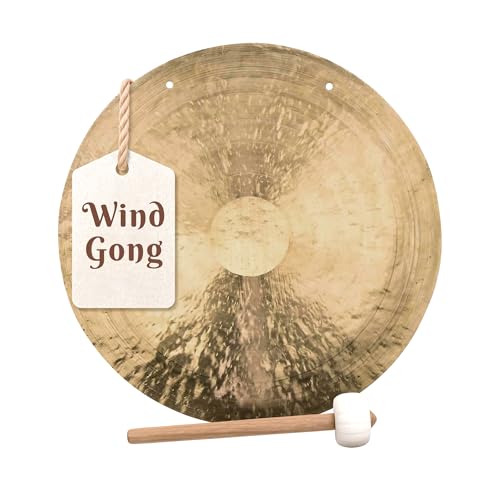
AUTHENTIC CHINESE CRAFTSMANSHIP - Hand-selected and crafted using traditional methods in China, each Wind Gong is made from premium B20 Bronze, ensuring a rich, shimmering sound and unmatched quality.

NATURAL FEEL: The VAD716 features Roland’s famous multi-ply mesh heads, with three-layer heads on the snare and floor tom and two-layer heads on the rack toms, providing natural stick resistance and rebound that’s customizable for your playing style, even with the natural wood shells and traditional mounts provides an uncannily acoustic feel
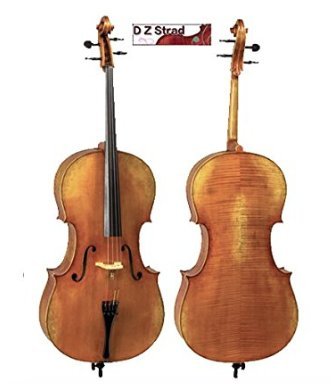
This a gorgeous cello with a two piece back that is made of selected flamed maple.
Establishing a Realistic Budget

Establishing a realistic budget for a first instrument can make a world of difference in a beginner’s musical journey. To make wise choices, many find that spending between $300 and $500 is ideal. You might wonder, “How much should I spend?” Well, this range offers quality options without breaking the bank! Remember to establish a budget that includes not just the instrument itself, but also additional costs like maintenance and accessories—these can add up quickly. For those unsure about commitment, renting is a smart idea, allowing you to try different instruments without the full purchase cost. Choosing wisely can improve your learning experience and even boost resale value in the future! Additionally, be sure to consider warranty options as they provide necessary protection against manufacturing defects. Happy playing!
Recommended Products

Package Dimensions: 8.89 H x 53.34 L x 17.272 W (centimetres)

Violin outfit package includes case, Dominant Strings, bow, rosin, and shoulder rest

Ultra-Powerful Analog Synthesizer - Subsequent 37's control panel includes 40 knobs and 74 switches, placing a vast array of sound-design tools and sequencing options at your command
Quality vs. Price: What to Consider

Choosing the right instrument can sometimes feel tricky, especially when balancing quality with cost. Generally, investing between $300 and $500 guarantees a higher-quality instrument that offers better sound and playability. Spending less than $300 might lead to instruments that hinder your progress and enjoyment. Remember, a quality instrument is built with better materials that enhance resonance and ease of play, although this usually requires a bigger financial commitment. Additionally, instruments over $300 can hold better resale value if you choose to upgrade later! For those on a tighter budget, used instruments under $300 can be a great option, as long as they are in good condition and properly set up. Quality really matters—your musical journey deserves it! Additionally, exploring electric guitar beginner bundles can provide you with essential gear while supporting your budget.
The Value of Local Music Shops

While exploring options for a first instrument, the value of local music shops often stands out. These local music stores offer personalized guidance from staff, which can help you make informed decisions. You’ll find knowledgeable experts ready to share their insights, ensuring you pick the right fit. Many shops even provide rental programs, allowing you to try an instrument without commitment, which is fantastic for beginners! Plus, building relationships with staff can lead to future support for maintenance and repairs. More than just a purchase spot, local shops create a community atmosphere, enhancing your musical journey. Engaging with these stores enriches the experience and fosters excitement about playing music, making each step enjoyable and meaningful! Additionally, you can explore beginner bass packages that are designed specifically for new players to maximize value and support your learning journey.
Testing Instruments in Person
When beginning the adventure of learning an instrument, testing instruments in person can make all the difference. This hands-on experience allows you to evaluate essential factors like weight and balance, ensuring your comfort while playing. When you listen to the unique tones produced by each instrument, you can appreciate subtle differences that may influence your choice. Exploring local shops for used instruments can also yield excellent quality at more affordable prices. Additionally, physically trying out various options enhances your understanding of playability, making it easier to find what suits you best. So, make sure to take your time and enjoy this process! Each instrument has its own personality, and finding the right match is key to a satisfying musical journey. Taking note of the body style and sound quality will help guide your decision-making in choosing the right mandolin.
The Benefits of Renting First
Renting an instrument is a smart move for many beginners! It typically costs between $30 to $70 per month, making it a budget-friendly option. Before committing to a pricey purchase, renting helps evaluate how serious one truly is about music. Many rental programs even allow a portion of fees to go toward buying the instrument later—sounds like a win-win! Plus, beginners can try different instruments and sizes, ensuring they find the perfect fit. With rental options often including maintenance and setup services, players enjoy a great experience right from the start. Renting can save kids—who might quickly outgrow their instruments—money while allowing them to adjust sizes easily, all without the stress of a big upfront investment! Additionally, using a good cellos clean and polish kit can help maintain the rented instrument’s condition, ensuring it remains in great shape during use.
Recommended Products

PKBC-8 Nylon backpack style carrying case with reflective stripe and built-in wide-set roller blade wheels, and heavy duty multi-stop height adjustable retractable handle for comfort. Store away for easy transport in their own custom made carrying case.


1. Brilliant & Balanced Tone for Beginners This standard Bb trumpet is crafted from high-quality yellow brass, producing a rich, brilliant tone with great projection. The 125mm bell and 11.65mm bore provide a centered sound that is easy for students to control, making it ideal for school bands, orchestral performances, and home practice.
The Long-term Investment of Quality Gear
For anyone starting on their musical journey, investing in a quality instrument can make a world of difference! Spending over $300 may seem like a higher price, but this investment leads to improved playability and sound quality. Quality instruments enhance your learning experience and can lead to better skills over time. Additionally, instruments in the $300 to $500 range provide solid performance without breaking the bank, balancing affordability and longevity. Remember, quality gear can also retain higher resale value, ensuring that your long-term investment pays off financially. Researching used instruments allows for significant savings while still offering exceptional playability. In particular, investing in coated strings can notably extend the lifespan of your instrument’s tone. Ultimately, investing wisely in gear today can lead to a more rewarding musical journey!
Learning From Historical Contexts
Musical journeys are often shaped by the choices made along the way, including the instruments played. When buying your first instrument, it’s essential to remember the stories of musicians like Gerry Mulligan and Charlie Parker. They thrived on less expensive instruments, proving that skill matters more than fancy gear! Historically, many renowned artists used mid-range or student models, showing that talent can shine through, no matter the instrument’s price tag. Today, beginners have access to better options than ever before. However, the focus should still be on practice and commitment, rather than obsessing over an expensive instrument. Ultimately, it is the player, not the gear, that creates beautiful music! Learn from the past and embrace your own unique path. Investing in a quality drum set, especially one made of Poplar hardwood, can significantly enhance your learning experience.
Budget-Friendly Options for Beginners
Investing in a first instrument doesn’t have to empty the wallet! Beginners should consider spending between $300 to $400 for quality instruments that promise a better playing experience. For those on tight budgets, used instruments are an excellent and budget-friendly option. Websites like Craigslist, Facebook Marketplace, Reverb, and eBay often have great deals if you do your research. Renting can also be a smart choice for short-term use, typically for three to six months, allowing players to test an instrument. However, spending a little more can lead to better resale value down the line. With these strategies, new musicians can find a suitable instrument without overspending, paving the way for a joyful musical journey! Upgrading to high-quality tuning pegs can significantly enhance sound clarity and tuning stability, which is essential for beginners learning to play.
Finding the Right Balance Between Gear and Skill
Finding the right balance between gear and skill is key for any new musician. When purchasing your first instrument, consider spending between $300 and $500. This price range offers quality options that enhance learning without breaking the bank. While high-quality instruments can make you a better player, remember that practice is what truly builds your skills. Avoid budget instruments under $300, as they might lead to frustrating experiences. Renting can be smart, allowing you to test different models first. Investing in a good entry-level instrument not only boosts your enjoyment but also offers better resale value down the line. Ultimately, your focus should be on consistent practice and finding the right gear that supports your growth!
Frequently Asked Questions
What Should Be My First Instrument?
For a first instrument, recommendations include the guitar and keyboard, both beginner-friendly options that cater to diverse musical genres. Choosing an instrument aligned with personal interests enhances enjoyment and commitment during the learning journey.
How Much Should I Spend on My First Piano?
When it comes to spending on a first piano, striking while the iron is hot at $300 to $700 for reputable piano brands is wise. Exploring used pianos can provide excellent quality at lower prices.
What Is a Good Amount of Money to Spend on a Guitar?
A budget of $300 to $500 is suitable for beginner guitars, ensuring quality and playability. Higher investment typically results in a more enjoyable learning experience, while lower-priced options may not promote effective progress.
Is 200 a Good Price for a Guitar?
Yes, $200 is a reasonable price for a guitar. At this level, beginners can find instruments with essential features, but quality may vary. Prioritizing playability and tone remains vital for effective learning experiences.


