As an Amazon Associate, we earn from qualifying purchases. Some links on this site are affiliate links at no extra cost to you. Our recommendations are based on thorough research and editorial judgment.


Top 5 Mistakes Beginners Make When Choosing an Instrument

Many beginners make key mistakes when choosing an instrument. First, focusing solely on price can lead to poor choices, like low-quality instruments. Second, skipping in-person tests or expert advice may result in discomfort and frustration. Don’t forget to take into account the player’s age or size for a proper fit. Also, accessories are essential for maintenance and play, so look for starter kits. Finally, neglecting setup can lead to a disconnect with music—keep going to learn more!
Key Takeaways
- Beginners often prioritize price over quality, leading to poor instrument choices that hinder learning and motivation.
- Skipping in-person tests can result in discomfort and unsuitable instruments; always try before you buy.
- Ignoring the player’s age or size may lead to frustration, as improperly sized instruments are harder to play.
- Focusing solely on the instrument can cause beginners to overlook essential accessories necessary for proper care and longevity.
- Neglecting setup and maintenance can lead to playability issues, making regular upkeep essential for a positive musical experience.
Choosing Based on Price Alone
Choosing an instrument can feel like a big adventure, but many beginners make the mistake of focusing only on price. While it’s tempting to grab the cheapest option, ultra-low-cost instruments often sacrifice quality and craftsmanship. This can lead to frustration, making beginners lose motivation to practice. Instead, it’s smart to invest in a student-quality instrument from a reputable brand, usually within the $100 to $500 range. These options provide better sound and durability, enhancing the overall learning experience. Poorly made instruments can create tuning issues, making it harder to play. Researching trusted brands and reading customer reviews can help guide beginners toward an affordable instrument that meets their needs, ensuring a more enjoyable journey in music! Additionally, selecting an instrument that includes essential accessories can enhance the beginner’s experience and facilitate learning.
Recommended Products

Exceptional sound quality: The BetterSax Classic Baritone Saxophone features a unique bore taper and neck design that delivers a rich, focused sound with precise intonation.
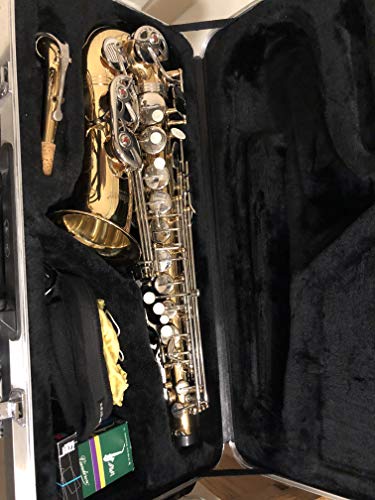
Selmer Student Model

Premium Art Materials: Includes 120 Polychromos artists' color pencils, 120 Albrecht Durer artists' watercolour pencils, 30 Albrecht Durer watercolour markers, 60 Pitt Artist pens with flexible brush nib, 4 Pitt Artist Pens fineliner in black (XS, S, F, M), 2 Pitt Artist Pens with 1.5mm bullet nib, 12 Castell 9000 pencils, 6 Pitt Graphite Matt pencils, 5 Castell 9000 jumbo pencils, 5 Graphite Aquarelle pencils, 3 Pitt Graphite Pure pencils, 3 Pitt Graphite Crayons, 4 Pitt Pastel pencils, 4 Pitt Oil-base pencils, 3 Pitt natural charcoal pencils, 3 Pitt compressed charcoal pencils and various accessories.
Skipping the In-Person Test And/Or Expert Advice

How can beginners truly know if an instrument feels right for them? Skipping in-person testing is a common mistake beginner musicians make. The feel, sound, and comfort of an instrument can’t be fully appreciated through photos or online reviews! Different neck shapes can greatly affect how a guitar plays, making it essential to try several options. Additionally, seeking expert advice from local music retailers is invaluable. These professionals can guide beginners in choosing an instrument, sharing insights on setup and maintenance that might otherwise be overlooked. By prioritizing in-person testing and expert advice, beginners can avoid costly missteps and guarantee they make a choice that enhances their musical journey! Furthermore, utilizing an app with progress tracking can help refine skills after selecting the right instrument. Happy playing!
Not Considering the Player’s Age or Size

Many beginners overlook an essential factor when selecting an instrument: the player’s age and size. Not considering the player’s age or size can lead to frustration while learning a new instrument. For instance, a full-size guitar may be too big for a child, affecting their ability to play effectively. Proper sizing is vital! Instruments like 1/4 or 3/4 violins exist to guarantee young players can hold and play comfortably, promoting better posture and technique. When instruments fit well, players feel more engaged and enjoy their lessons! Poor posture from ill-fitting instruments could lead to physical discomfort, causing unnecessary setbacks. Additionally, visiting a music store for in-store sizing can make a significant difference, helping beginners find their perfect fit right away!
Ignoring the Accessories You Actually Need

Accessing the world of music can be incredibly exciting for beginners, but often, the focus is solely on the instrument itself. This oversight can lead to mistakes to avoid when starting the journey of learning an instrument. Essential accessories like cases, straps, tuners, and cleaning supplies enhance the experience and the instrument’s longevity. For a first musical instrument, these items are important; without them, expenses can add up quickly and frustration may follow. Purchasing bundled starter kits can be a wise choice, as they include both the instrument and necessary accessories in one go. A comprehensive kit such as the Squier Affinity Series Precision Bass Pack guarantees beginners are equipped with the right tools to enjoy their musical adventure!
Recommended Products

Bundle Accessories- Along with the accessories from Sony, Alpha a6700 with 18-135mm Lens bundle includes additional accessories such as Pixel Hurricane Blower, Pixel Cleaning Kit, 64GB SD Card & Microfiber Cleaning Cloth

An easy-to-play cello that will bring years of enjoyment to any cellist

Bundle Includes - Along with the accessories from Fuji, the Fuji XT50 with 15-45mm f/3.5-5.6 Lens bundle Includes additional accessories such as Pixel Hurricane Blower and Pixel Cleaning Kit
Overlooking the Importance of Setup & Maintenance

Choosing the right instrument and its accessories is just the beginning of a musical journey; however, many beginners overlook the importance of proper setup and maintenance. A well-set-up instrument—adjusted for string height and tuning—ensures peak playability and can greatly enhance the learning experience. When beginners make the mistake of skipping this step, they may face unnecessary frustration, making it harder to connect with the music. Regular maintenance, like checking hardware and replacing worn parts, is essential for keeping the instrument in top shape. Thankfully, many shops offer setup and inspection services, often at no extra cost, which can be a valuable resource for beginners, ensuring their instruments perform well and last longer. Moreover, investing in a quality guitar maintenance kit can provide essential tools for routine upkeep and repairs.
Frequently Asked Questions
What Is the #1 Easiest Instrument to Play?
The ukulele stands out as the easiest instrument to play, offering beginner-friendly options for first-time players. Its advantages include quick learning through basic chords and a supportive community, making it a popular choice among aspiring musicians.
What Are the Factors to Be Considered When Choosing an Instrument?
When choosing an instrument, budget considerations, personal interests, size and portability, available resources, and sound preference are essential. Surprisingly, 70% of players report a positive impact on motivation when these factors align with their choices.
What Is the Top 1 Hardest Instrument to Learn?
The violin is often considered the hardest instrument to learn, primarily due to its technique challenges, including intonation mastery, whereas piano skill levels, brass instrument difficulties, woodwind mastering tips, and guitar finger coordination are relatively more manageable.
What Is the Mother of All Instruments?
The piano is regarded as the Mother of All Instruments due to its historical context, versatility in musical genres, significant cultural influence, and foundational role in music education, along with personal preference factors affecting musicians’ choices.


