As an Amazon Associate, we earn from qualifying purchases. Some links on this site are affiliate links at no extra cost to you. Our recommendations are based on thorough research and editorial judgment.


How to Decide Between String, Wind, and Percussion Instruments

Choosing between string, wind, and percussion instruments can be exciting! Each family offers unique experiences. Woodwinds, like the flute and clarinet, are portable and improve breathing techniques. Brass instruments, such as trumpets and tubas, deliver powerful sounds and require lip control. If you prefer rhythm, percussion instruments like drums and xylophones provide varied sounds and encourage creativity. Think about your interests and comfort levels, and you’ll find your perfect fit. There’s more to discover about each option!
Key Takeaways
- Consider your interest in melody versus rhythm; string instruments emphasize melodic play, while percussion focuses on rhythm and timing.
- Evaluate your comfort with breath control; woodwinds require precise air management, whereas strings and percussion engage different physical skills.
- Think about portability; woodwind and percussion instruments are generally more mobile, while bowed strings may require careful handling and tuning.
- Assess maintenance requirements; woodwinds need regular reed replacements, strings require re-hairing and replacements, and percussion varies by the chosen instrument.
- Reflect on your desired musical expression; string instruments allow emotional nuance, while percussion encourages dynamic rhythms and independent play.
Families of Instruments
When exploring the world of music, families of instruments offer a fantastic starting point! Each family has its own unique characteristics. String instruments, like violins and cellos, produce beautiful melodies through vibrating strings. They excel at creating both melody and harmony. Woodwind instruments, including flutes and clarinets, need air to make sound, and they often feature intricate key systems to vary notes. Next, brass instruments, such as trumpets and trombones, generate sound through buzzing lips, known for their powerful, projecting sound in groups. Finally, percussion instruments, which include drums and tambourines, make music by being struck or shaken. They provide the essential rhythms and textures in many compositions. Exploring these instrument families can help young musicians find their perfect fit! Additionally, considering playability features in string instruments can enhance comfort and foster a more enjoyable learning experience.
Woodwinds, Including Flute, Clarinet, Saxophone, and Recorders

Woodwind instruments, such as the flute, clarinet, saxophone, and recorders, offer a delightful way to explore music! These instruments create sound by using air, which can be blown across an edge or vibrated through a reed. The flute, typically made from metal or wood, produces a range of soft to sharp sounds and has no reeds, making it easy to care for. The clarinet is versatile, boasting an impressive range of nearly four octaves, even fitting into various musical styles, and many beginner clarinets come with essential accessories that enhance the learning experience. In contrast, the saxophone, known for its rich tones, shines in jazz music. Finally, recorders are perfect for beginners, with their simple design making them excellent for learning foundational wind skills. What a great choice for aspiring musicians!
Recommended Products

WIND INSTRUMENTS FOR THE PEOPLE: Jean Paul's mission is to make music more accessible to the world. The TS-400 is designed to support students as they develop their skills, offering dependable performance and lasting durability for lessons, rehearsals, and performances. Built with long-term use in mind, it is an excellent choice for advancing musicians and school music programs.
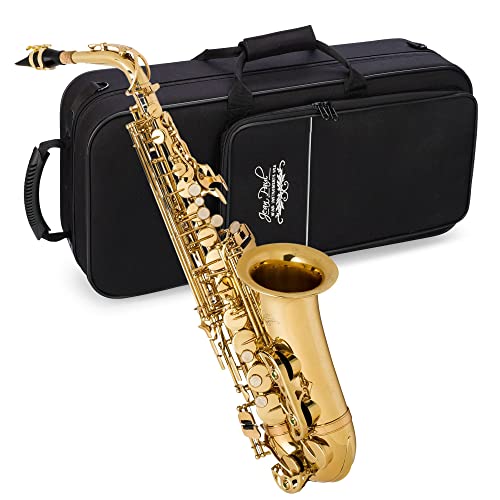
PROFESSIONAL SETUP – Each saxophone is expertly setup and play-tested by NAPBIRT-certified technicians, ensuring it’s ready to play right out of the box.
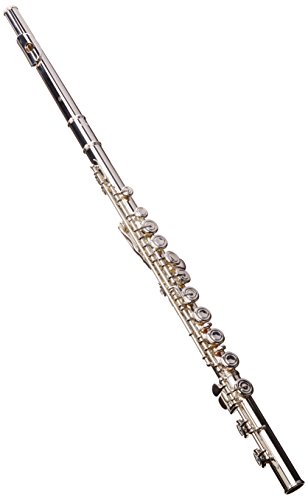
Student Concert Flute with Nickel Silver Body
Pros of Woodwinds Instruments
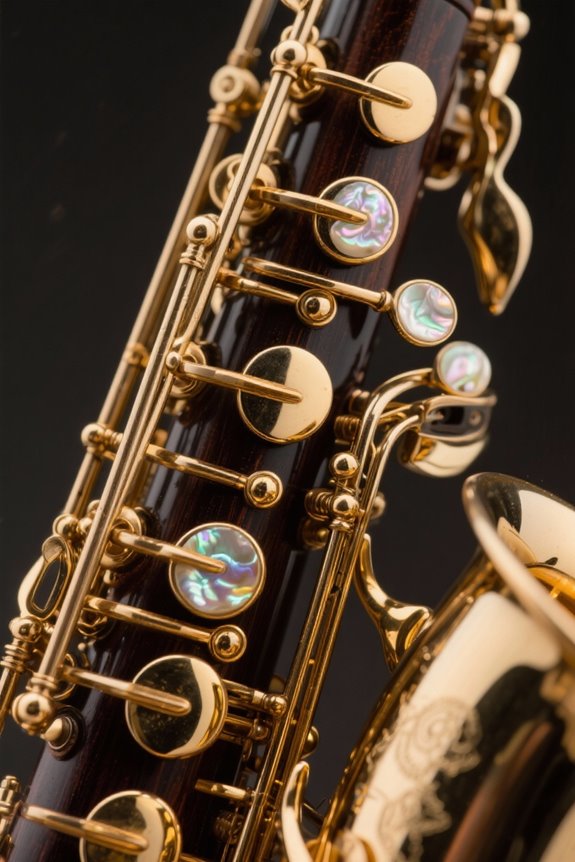
Exploring the pros of woodwind instruments opens up a world of exciting possibilities for aspiring musicians! Woodwind instruments, such as flutes and clarinets, promote valuable breathing techniques and improve posture. Playing these instruments can also be a fantastic way to relieve stress. Many, like the saxophone, lay a strong foundation for learning other woodwinds due to similar skills required. Plus, they’re surprisingly mobile! It’s easy to take them to lessons or performances. While maintenance does involve caring for reeds, this hands-on experience encourages responsibility. Importantly, learning woodwinds enhances dexterity and fine motor skills, especially for younger players with small fingers maneuvering tone holes. With practice and dedication, musicians can enjoy the rewarding journey of skill development! Additionally, using airtight containers when storing woodwind instruments can help protect them from moisture damage.
Cons of Woodwinds Instruments

Though many musicians adore woodwind instruments, there are several challenges that can give aspiring players pause. For younger musicians, managing tone holes can be tough since their fingers may be too small. Additionally, woodwinds require ongoing maintenance, like regular reed replacements for clarinets and oboes to produce a sound that sings! Learning the necessary technique involves precise control over breath and pitch, which can frustrate beginners. Woodwind instruments are also less durable than brass ones, meaning they need careful handling. Finally, playing for extended periods can lead to health concerns, such as discomfort from the embouchure. Despite these challenges, dedication and practice can lead to rewarding musical experiences! Moreover, understanding the importance of regular maintenance tools can greatly enhance the longevity of woodwind instruments.
Brass, Including Trumpet, Trombone, Tuba, & French Horn

While woodwinds have their charm, brass instruments offer a different kind of excitement for budding musicians! The brass family, which includes the trumpet, trombone, tuba, and French horn, produces sound through lip vibration, making them unique. The trumpet, the highest-pitched of the group, delivers bright, attention-grabbing fanfare. In contrast, the tuba anchors the sound with its deep and rich tones. Trombones stand out with their slide mechanism, enabling gradual pitch changes that require skillful control. Meanwhile, the coiled French horn offers a strong, mellow sound, perfect for orchestral performances. Mastering these instruments demands good ear training and embouchure development, which makes it a rewarding challenge for aspiring musicians! Choosing the right mouthpiece, such as a 7C trumpet mouthpiece, can greatly enhance comfort and sound quality for new players.
Recommended Products

The S80C mouthpiece offers dynamic aesthetics and an optimized acoustic resonance

Bore: .547” Large

Bore: .459” Medium-Large
Pros of Brass Instruments
Choosing brass instruments brings a host of exciting advantages for musicians of all levels! These instruments, like the trumpet and trombone, produce sound through lip vibrations, creating a powerful and resonant tone. This quality fits well in both orchestral and solo performances. Brass instruments are also robust and require less maintenance, making them ideal for beginners and advanced players alike. Learning to play enhances dexterity and fine motor skills, especially with techniques like lip buzzing and slide positioning. Plus, brass instruments show incredible versatility across various musical styles, from classical to jazz and pop! With programs like Let’s Play Music, budding brass players can develop essential ear skills for playing and improvisation. Additionally, durable materials used in brass construction contribute to their consistent performance over time. Give brass a try!
Cons of Brass Instruments
Brass instruments, despite their numerous advantages, come with some challenges that aspiring musicians should keep in mind. The complexity of sound production can be tough, especially for instruments like the trombone, which needs precise slide movements. Practicing to develop a proper embouchure can be demanding, often requiring hours of commitment. While brass instruments are durable, they can also be heavy, making them less portable for young beginners. Additionally, ongoing maintenance costs, such as cleaning supplies and brass valve oil, add up over time. Finally, producing sound can be physically demanding, necessitating good lung capacity and breath control. Aspiring brass players should be ready to tackle these challenges with enthusiasm and dedication!
Bowed Strings, Including Violin, Viola, Cello, and Double Bass
What makes bowed string instruments so enchanting? Bowed strings, like the violin, viola, cello, and double bass, create beautiful music through vibrating strings, which resonate within their hollow bodies. Each instrument plays a unique role in different cultures and styles, adding richness to classical music and beyond. The violin, being the smallest, often takes the melody, while the deep tones of the double bass create harmony. Players use bows and sometimes pizzicato, a fun plucking technique, to produce sound. Tuning these instruments requires care and skill, ensuring the best sound is produced. While they can be challenging, the joys of learning and playing bowed strings make them rewarding instruments for musicians at any level! Maintaining proper humidity management tools is essential to help protect the instrument’s quality over time.
Recommended Products

🎻 Expertly Crafted from Premium Solid Tonewoods – This full-size violin for beginners features a hand-carved solid spruce top and solid maple back & sides, delivering a warm, resonant sound. Ebony fingerboard and pegs ensure long-lasting durability, smooth playability, and stable tuning. Perfect for students, adults, or anyone learning violin.

🎻 Fits Two Full-Size Violins – Designed for violin duos or educators, this premium double case securely holds two 4/4 violins with padded suspension and divider blanket.

Professional-Grade Protection & Design. Expertly designed under the guidance of Charles AvSharian, the Eagle Double Case meets the demands of professional musicians and serious amateurs. Features a multi-layered wood shell for superior strength and impact resistance, ensuring your instruments remain secure during transport.
Pros of Bowed String Instruments
Bowed string instruments offer a remarkable array of benefits for musicians of all ages. These instruments, like the violin and cello, produce sound through the vibration of their strings, resulting in a rich and resonant tone. They provide versatile playing techniques, including bowing and plucking, allowing players to explore expressive phrasing across different musical genres. This capability makes them essential in ensembles, enriching harmony and counterpoint in orchestral and chamber music. Furthermore, learning to play these instruments enhances fine motor skills and hand-eye coordination, thanks to the precise finger placements required. Their ability to create smooth legato sounds is perfect for conveying emotion, helping performers connect with their audience in a meaningful way. Additionally, color-coded note decals can simplify mastering essential techniques, making the learning journey more enjoyable.
Cons of Bowed String Instruments
Many aspiring musicians might find that bowed string instruments come with their own set of challenges. For starters, these vibrating string instruments require careful tuning, which can overwhelm beginners. Learning to maintain proper posture while playing is essential, as neglect can lead to discomfort in the shoulders and back. Additionally, producing a consistent tone takes a significant amount of practice, and this steep learning curve may dishearten some new players. Furthermore, the sound of bowed strings can be quieter than other instruments, making it difficult to be heard in larger groups without amplification! Finally, maintenance costs can add up, including regular bow re-hairing and string replacements. Despite these factors, many still find the beauty of bowed strings worth the effort! Regular maintenance enhances guitar performance; signs indicating when maintenance is needed should be noted to ensure proper care of the instrument.
Percussion, Including Drums, Xylophone, & Marimba
Percussion instruments offer an exciting world of rhythm and sound that captivates musicians and listeners alike! This category includes vibrant drums, such as the bass drum and snare, which lay down essential rhythms in genres from rock to orchestral music. Instruments like the xylophone create beautiful melodies by striking wooden bars, producing a bright, resonant sound that can elevate any ensemble. The marimba, with its deeper tones and resonators, takes this further, delivering a rich auditory experience cherished in both classical and contemporary styles. Playing percussion often requires physical endurance and strong focus, allowing musicians to express their creativity through dynamic rhythms. For anyone who loves to keep the beat, percussion may just be the perfect choice!
Recommended Products
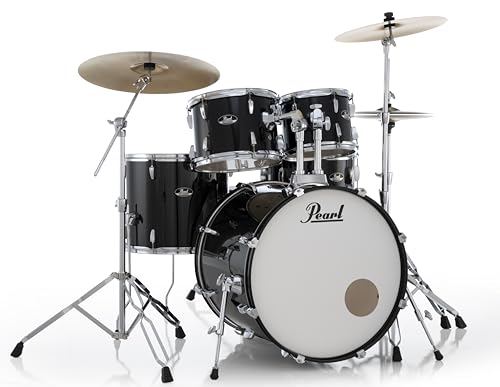
Complete Drum Set -The Pearl Roadshow drum kit comes complete with everything you need to start drumming right out of the box. This set comes with drums, hardware, cymbals, and drum throne. We even throw in sticks and a stick bag to complete the set THis model comes with an extra cymbal stand and upgraded BRD cymbals. 2 pair of maple drum sticks, stickbag and a Pearl Drum poster .
Included Drums: 20x17 kick, 10x7 rack tom, 12x8 rack tom, 14x13 floor tom, 14x5.5 snare

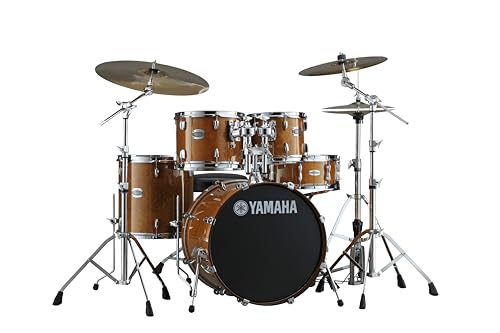
The Yamaha Stage Custom Birch drum set is ideal for those learning to play, for students, for teachers and for working musicians who require a dependable gigging set that adapts to any venue
Pros and Cons of Percussion Instruments
When it comes to choosing a musical instrument, weighing the pros and cons of percussion instruments can help potential musicians make informed decisions. The percussion family offers a dynamic range of sounds, with both unpitched instruments, like snare drums, and pitched ones, like timpani. This diversity allows players to explore different roles in music, contributing rhythmically or melodically. However, percussion instruments can be physically demanding, requiring focus and endurance during performances. Many unpitched instruments lack definite pitch, which may not appeal to those wanting to play melody-driven music. On the plus side, percussionists often play independently, enhancing their musical skills and allowing for creative expression. Overall, the pros and cons of percussion instruments can lead to engaging musical experiences!
Recommended Products

6.5" x 14" Bell Brass Snare Drum with 3.0mm Shell Die-cast Hoops - Aged Verdigris Patina
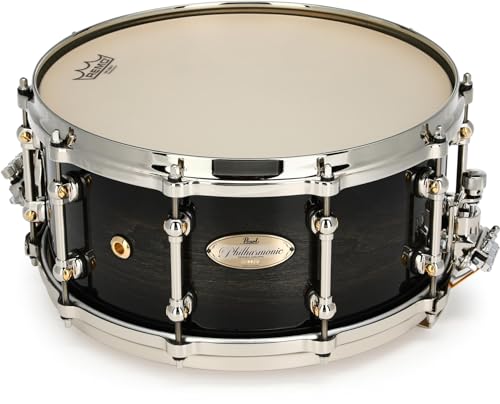
6.5" x 14" Maple/Birch Snare Drum with Single-flanged Hoops - Twilight Burst

5.5" x 14" Brass Snare Drum with 1.5mm Hand-hammered Shell 2.3mm Triple-flanged Hoops - Natural
Frequently Asked Questions
Are String Instruments Harder to Learn Than Wind Instruments?
Statistically, 70% of music students report finding string instrument complexity more challenging than wind instrument techniques. This reflects significant practice habits comparison, physical demands analysis, and learning curves evaluation among different instruments, emphasizing subjective perceptions in difficulty.
What Is the #1 Easiest Instrument to Play?
The ukulele is often regarded as the easiest instrument for beginners, showcasing its accessibility. While piano popularity and guitar versatility attract many, the simplicity of ukulele chords surpasses even violin techniques and clarinet accessibility for novices.
What Is the Difference Between String Wind and Percussion Instruments?
String instruments charm with their vibrating strings, while wind instruments, like flutes, beckon with breathy tones. Percussion’s rhythm techniques provide a beat, reflecting decades of historical instrument development and a quirky classification system.
What Are the 4 Categories of Instruments?
The four categories of instruments are strings, woodwinds, brass, and percussion, each distinguished by unique sound production techniques. Popular instrument choices and learning curves vary, influencing famous musicians’ comparisons throughout the rich history of instruments.


