As an Amazon Associate, we earn from qualifying purchases. Some links on this site are affiliate links at no extra cost to you. Our recommendations are based on thorough research and editorial judgment.


Learning Piano: How Many Keys Do You Really Need?

When learning piano, the number of keys you need can vary. Beginners often start with 61 keys, which are great for basic songs and skills. However, for a full musical experience and advanced pieces, 88 keys are best! They allow you to explore a wide range of sounds and techniques. Portable keyboards can also fit different budgets and lifestyles. Understanding your goals will help you choose the right keyboard. Stick around for more insights on pianos!
Key Takeaways
- Ideally, beginners should use at least a 61-key keyboard to build a strong musical foundation.
- An 88-key piano provides the full range necessary for classical pieces and advanced techniques.
- Smaller keyboards are portable and budget-friendly but may limit skill development for complex pieces.
- MIDI controllers and smaller keyboards suffice for electronic music and simple chord progressions.
- Ensure the keyboard delivers sufficient volume and sound quality to enhance the learning experience.
The Role of 88 Keys in Piano Playing
When someone begins learning to play the piano, having access to all 88 keys can truly make a difference in their musical journey. A standard full-size keyboard offers a complete sound spectrum, essential for both classical pieces and advanced compositions. With 88 keys, students can explore a wide variety of musical styles without feeling limited. This full range enhances the learning experience, enabling beginners to practice with a complete layout right from the start. Digital pianos often replicate this experience, making the vast capabilities of 88 keys accessible at home. Additionally, having a full-size keyboard facilitates teaching techniques, like four-hand playing, which makes lessons dynamic and interactive. Overall, 88 keys open doors to endless musical possibilities! Furthermore, the inclusion of weighted keys in digital pianos simulates the feel of acoustic instruments, enhancing technique and performance quality.
Recommended Products

Two super-clear OLED displays for on-stage clarity, seamless transitions when changing programs/sounds, extended Split functionality with optional crossfade, and the addition of the new Song List Mode

88-key Digital Piano with Grade-weighted Hammer-action Wooden Keys
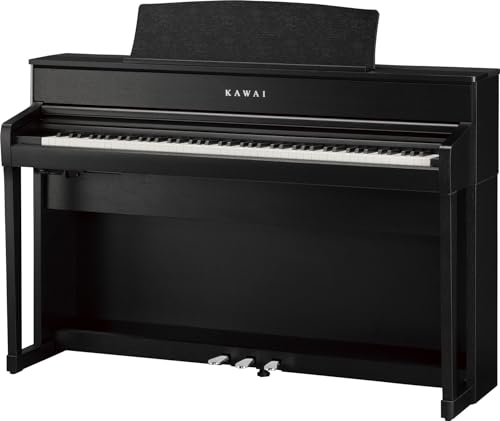
88-key Digital Piano with Grade-weighted Hammer-action Wooden Keys
Starting Small: When Fewer Keys Are Fine

While 88 keys open up many musical opportunities, starting with fewer keys can also be a wise choice for beginners. A 61-key keyboard offers five octaves, which is enough to learn foundational skills, work on scales, and play simple songs. It’s perfect for those first 2-3 years of piano practice. As an added bonus, many 61-key models are affordably priced, often under $200, making them accessible for new learners. Digital keyboards with fewer keys are excellent for creating specific genres like electronic music, where a full range isn’t necessary. Additionally, many 61-key keyboards come with bundled accessories that enhance the learning experience. So, if you’re enthusiastic to learn to play, remember that starting small can still lead to big musical achievements! Embrace those fewer keys and enjoy your journey!
Portability and Budget Considerations

Choosing the right keyboard isn’t just about the number of keys; it’s also about how it fits into a person’s lifestyle and budget. For beginners, a 61-key keyboard is often available for under $200, making it an affordable option. In contrast, full-size 88-key pianos are bulkier and typically start at $600, which can strain many budgets. If portability is a concern, smaller keyboards, like the 49 or 61 keys, are lightweight and easy to transport, perfect for gigging musicians. Meanwhile, 76-key models provide a middle ground—they offer a reasonable range for intermediate pieces while remaining cost-effective. Ultimately, choosing the right keyboard should reflect both practicality and personal music preferences! Additionally, considering key sensitivity options can help refine your choice based on your playing style and needs.
Recommended Products

2 x 61-key Virtual Tonewheel Organ Keyboard with Organ
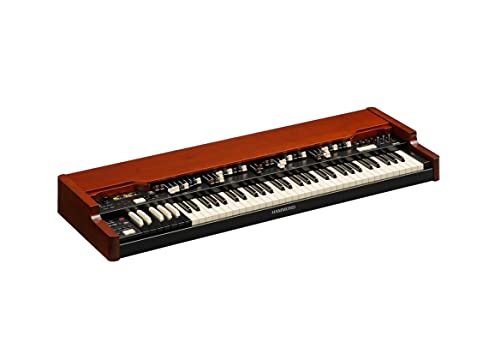
61-key Virtual Tonewheel Organ with Waterfall Keys

DIVERSE SOUND ENGINES: The 2024 model, FANTOM EX boasts an unparalleled selection of premium sound engines, including Roland's renowned ACB, ZEN-Core, V-Piano, SuperNATURAL, and other cutting-edge technologies. This comprehensive lineup ignites creativity with expressive and inspiring sounds tailored to suit every musical style and genre.
Playing Styles That May Not Require 88 Keys

Many musicians embrace styles that don’t always need the full 88 keys to express their creativity. For instance, electronic music often uses MIDI controllers with 49 or 61 keys, which are perfect for crafting catchy beats and melodies. Keyboards with fewer keys are also popular in contemporary ballads and worship music, making them ideal for gigging musicians. With digital pianos, musicians can easily create music without extensive piano technique. Additionally, many playing styles focus on simple melodies and harmonies, which means 61 keys are often sufficient for practicing basic chord progressions. Plus, thanks to software that allows pitch transposing, having a complete range of octaves isn’t always essential. Embrace the joy of music creation, no matter your keyboard size! For those looking to further enhance their sound quality, high-performance preamps and converters are vital for sound clarity.
Weighted Keys vs. Key Count

When it comes to choosing a keyboard, one of the key factors to contemplate is the difference between weighted keys and key count. Weighted keys are designed to mimic the feel of an acoustic piano, helping with finger strength and proper technique. For serious learners, an 88-key digital piano with weighted keys gives the most authentic experience. Simply having 88 keys doesn’t guarantee quality; the feel and responsiveness of weighted keys are vital for mastering dynamics and expression. Conversely, keyboards with fewer keys often miss this feature, making it difficult for beginners to adapt to an acoustic piano later. Personal comfort and skill development are important, so explore options that fit your learning journey! It’s also essential to consider the sound quality assessment of your instrument, as it greatly influences your overall learning experience. Ready to play?
Recommended Products

88-key Digital Piano with Grade-weighted Hammer-action Wooden Keys
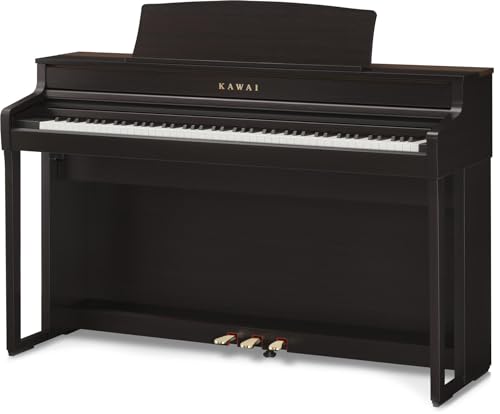
88-key Digital Piano with Grade-weighted Hammer-action Wooden Keys

For high-end piano performance in a portable instrument, there’s no better choice than the Roland FP-90X.
Developing Good Habits Early On
Developing good habits early on is essential for anyone beginning their piano journey. To truly learn the piano, beginners need a keyboard with at least 61 keys, as this allows for a solid foundation. However, those who can access an 88-key keyboard will benefit even more, gaining familiarity with the full range of notes. Starting on a keyboard with fully weighted keys helps create better muscle memory, vital for advanced playing. Additionally, features like an octave transpose function can promote good habits early by adjusting music to fit skill levels, keeping learners engaged. Early exposure to a variety of keys fosters creativity, making practice enjoyable and meaningful! Building these habits now sets the stage for future success! Furthermore, using a condenser microphone can enhance your piano recordings, providing clarity and richness to your sound.
Upgrading at the Right Time
As learners progress in their piano journey, recognizing the right time to upgrade can substantially enhance their musical experience. Many start with a 61-key keyboard, which is great for beginners, but upgrading to a full-size 88-key piano within 2-3 years can be transformative. This shift allows access to the entire range of musical pieces, fostering creativity and a deeper understanding of music. With an 88-key instrument, players can easily learn advanced techniques, like playing both hands across different octaves. By preventing limitations in practice, upgrading guarantees that musicians can explore complex compositions freely. Additionally, having a padded keyboard bench ensures maximal comfort during extended practice sessions, which is crucial for maintaining focus and improving performance. This newfound freedom to experiment inspires a richer learning experience and encourages learners to dive deeper into their musical journey!
Recommended Products

The Piano: The Nord Stage 4 comes with a new enhanced collection of Grands, Uprights and Electric Pianos from our exclusive Nord Piano Library combined with new features such as Dynamic compression and Unison.

FULL 88-KEY HAMMER ACTION RANGE (A–C): Triple sensor weighted keybed delivers authentic grand piano feel with precise dynamic response for expressive live performance and studio use
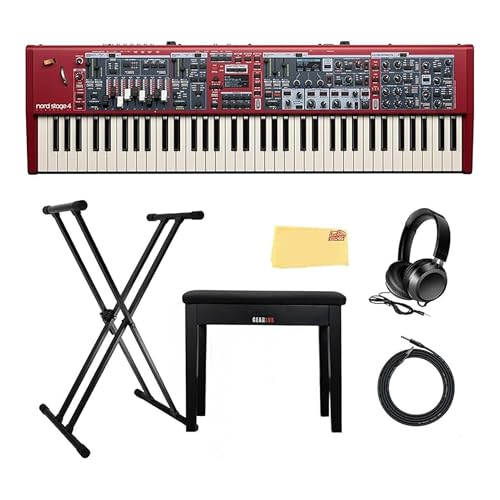
73-KEY WATERFALL KEYBED RANGE (E–E): Semi-weighted waterfall keybed with aftertouch enables fast organ techniques, glissando and smooth transitions for live performance
Keyboards for Kids and Beginners
A great choice for kids and beginners includes keyboards that range from 49 to 76 keys, which offer a variety of musical possibilities without overwhelming young learners. For instance, a 61-key keyboard provides five octaves, making it perfect for mastering basic exercises and playing a good number of songs. These keyboards are also budget-friendly, often available for under $200! Starting on smaller keyboards can help children learn and explore music effectively. Additionally, many popular music genres, including pop and electronic, can be produced easily on 49 or 61 key instruments. Early interaction with these keys might foster creativity, helping kids experiment with sound and develop key foundational skills in their musical journey! Furthermore, using a keyboard with built-in lesson modes can greatly enhance learning by providing structured guidance and engaging activities.
Pros and Cons of Different Key Sizes
Choosing the right keyboard size can greatly impact a musician’s journey! For those keen to learn piano, understanding different key sizes is essential. A 49-key keyboard is great for simple melodies but may not support two-hand playing, making it less ideal for serious learners. The 61-key option is suitable for beginners, yet it may limit practice on advanced pieces requiring higher octaves. Moving to a 76-key keyboard offers more versatility while remaining portable, perfect for intermediate players. Meanwhile, the full-sized 88-key piano is essential for anyone looking to explore classical music, providing the complete range needed for various compositions. While it’s bulkier and pricier, for serious learners, it’s absolutely worth it! Additionally, selecting a keyboard with sufficient volume output ensures an optimal learning experience without overwhelming the space.
Frequently Asked Questions
How Many Keys Should a Piano Have for Beginners?
For beginners, a 61-key piano is ideal, balancing portability and functionality. This size supports beginner piano techniques and essential music theory, providing significant keyboard size benefits while allowing exploration of various musical styles from reputable piano brands.
What Is the 80 20 Rule in Piano?
The 80/20 rule in piano emphasizes key importance explained through focusing on piano learning techniques. Beginners should prioritize mastering scales and chords, applying tips that target frequently used notes for effective and efficient practice.
Should a Beginner Use 61 or 88 Keys?
A beginner should consider 88 keys for greater learning flexibility, despite 61-key options being available. While 61 may suffice initially, 88 eliminates key limitations, supporting longer-term progress expectations and expanding music choice opportunities.
How Many Keys Do You Need for Simply Piano?
What is the essence of music if not the keys that reveal its potential? For Simply Piano, a portable 61-key keyboard suffices for practicing techniques and basic piano features, regardless of electronic versus acoustic preferences.


