As an Amazon Associate, we earn from qualifying purchases. Some links on this site are affiliate links at no extra cost to you. Our recommendations are based on thorough research and editorial judgment.


How to Read Sheet Music: A Step-by-Step Guide for Beginners

To read sheet music, start by understanding the musical staff, which consists of five lines and four spaces. Each line and space represents specific notes. Familiarize yourself with treble and bass clefs that help identify these notes. Then, learn note values—like whole notes (4 beats) and half notes (2 beats). Next, grasp rhythms and time signatures like 4/4. Finally, practice with simple sheet music to strengthen your skills. Keep exploring these concepts for a deeper understanding!
Key Takeaways
- Understand the musical staff and clefs, noting the difference between treble and bass clefs for note identification.
- Learn note names corresponding to lines and spaces, using mnemonics to aid memorization for treble and bass clefs.
- Familiarize yourself with note values and durations, including whole, half, and quarter notes, for accurate rhythm comprehension.
- Recognize time signatures and their impact on rhythmic structure; practice counting the beats within measures for better timing.
- Explore accidentals and key signatures to accurately interpret pitch alterations and tonal centers in sheet music.
Understanding the Musical Staff and Clefs
The musical staff serves as the foundation for reading sheet music, acting like a map for musicians. It consists of five horizontal lines and four spaces, each representing specific notes. Clefs, such as the treble clef and bass clef, identify which notes correspond to each line and space. For example, in the treble clef, the notes in the spaces spell “FACE,” while the notes on the lines follow “Every Good Boy Does Fine.” The bass clef features spaces labeled A, C, E, and G, alongside lines G, B, D, F, and A. Ledger lines extend this range, showing notes outside the standard staff, with Middle C serving as an essential reference point. Understanding these basics is key to reading music! Additionally, learning to play an instrument, such as an acoustic guitar, can significantly enhance sound quality and your overall musical experience.
Learning Note Names and Values

Understanding note names and values builds on the foundational concepts of the musical staff and clefs. Each of the five lines and four spaces on the staff corresponds to specific note names, using the letters A through G. In the treble clef, the mnemonic “Every Good Boy Does Fine” helps remember the line notes: E, G, B, D, and F. The spaces spell F, A, C, and E. In contrast, the bass clef lines are G, B, D, F, A, remembered by “Good Boys Do Fine Always,” while the spaces are A, C, E, G. Note values indicate how long to play a note: whole notes last four beats, half notes two, and quarter notes one beat. Many musicians find that understanding music theory fundamentals enhances their ability to interpret and apply note names and values effectively.
Recommended Products
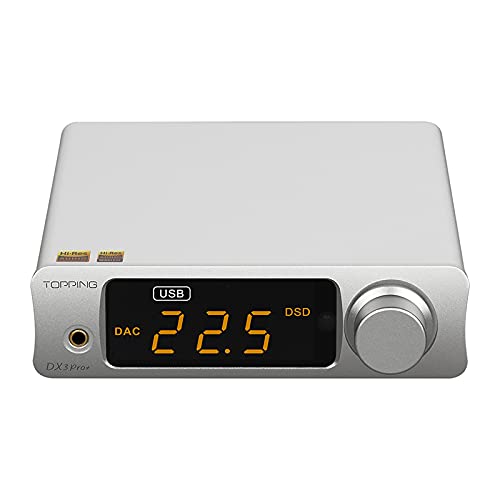
Bluetooth 5.0 LDAC transmission :DX3Pro+ has the certification of Hi-Res Audio Wireless and LDAC. It uses newest QCC5125 chipset to support LDAC/AAC/SBC/APTX/APTX LL/APTX HD protocol. To get even better sound quality from Bluetooth, we abandon the built-in DAC of QCC5125 and connect its digital signal to ES9038Q2M to decode.

💖Starchenie Design - The cross necklace has details of the treble clef; A stunning blend of music and faith. God brings hope and power through music.

Genuine Sterling Silver - Handcrafted from 100% recycled sterling silver. Sterling Silver is a mix of 92.5% silver with alloys to add strength and durability.
Identifying Rhythms and Time Signatures

Identifying rhythms and time signatures is an exciting part of reading sheet music! Time signatures appear at the beginning of a piece, acting like a guide. They indicate how many beats fit into each measure and what note value counts as a beat. For instance, 4/4 is a common time signature. Rhythmic notation uses different note values—whole notes last for 4 beats, half notes for 2 beats, and quarter notes for 1 beat. Rests are equally important, representing periods of silence. Bar lines are used to divide measures, helping musicians stay organized and maintain a consistent flow. By understanding these elements, readers can confidently count beats and enjoy making music! Additionally, interactive components within ear training resources can enhance the learning experience by engaging different learning styles.
Recommended Products

The CFX Premium Grand Piano Voice recreates the power and tone of Yamaha's flagship CFX concert grand piano


Classic Appearance & Advanced Texture: EK-10S upright electric piano owns the appearance of the classic wooden frame piano, which is beautiful and stylish. The wood grain design makes people feel like they are in a music hall, making the practice more ritual
Exploring Accidentals and Key Signatures

Exploring the world of accidentals and key signatures opens up a deeper understanding of music! Accidentals are symbols that modify pitch: sharps (♯) raise notes by a half step, while flats (♭) lower them. A natural (♮) cancels out any previous accidentals. Key signatures, located at the beginning of a piece, indicate which notes are sharp or flat, helping define the tonal center or scale. For instance, the C major scale has no sharps or flats, while the G major scale has one sharp (F♯) and the D major scale has two (F♯ and C♯). Understanding key signatures is essential for students, making it easier to interpret music and achieve accurate pitch and harmony in performance. Happy practicing!
Recommended Products

Used Book in Good Condition

Note-for-Note Keyboard Transcriptions
Practicing With Simple Sheet Music

Practicing with simple sheet music can be a rewarding way to build musical skills and confidence! Choose familiar melodies, like children’s songs, to help recognize notes easily. Start by practicing with one hand at a time, focusing first on treble clef notes. Once comfortable, blend in the left hand for bass clef notes. A metronome can help maintain a steady tempo—begin slowly, then gradually increase speed as you improve. Break the music into manageable sections, repeatedly practicing each piece before attempting the whole song. This technique aids memorization and mastery. Finally, record your practice sessions or play for friends to receive feedback on your progress, enhancing both learning and motivation as you enjoy making music! Incorporating color-coded musical notes from resources like songbooks can further enhance your practice experience.
Recommended Products

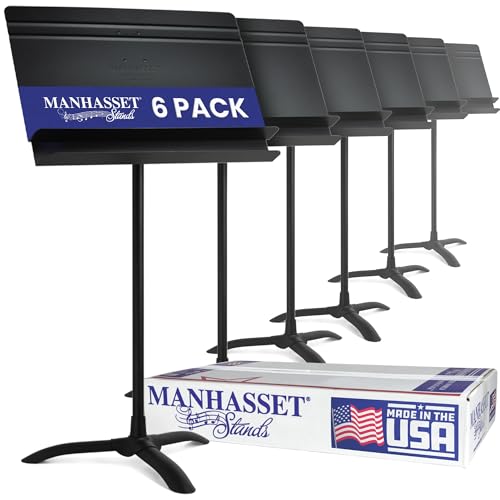
PREMIUM CONSTRUCTION: The Manhasset Orchestral Concertino Music Stand is made in the USA and provides long-lasting use due to its quality products and materials

Frequently Asked Questions
How to Read Sheet Music for Beginners?
To read sheet music, beginners should grasp note identification tips, rhythm reading basics, and the significance of clefs. Understanding time signatures, dynamics markings, key signatures, and practicing sight reading and chord symbols will enhance musical notation comprehension.
What Does 2 4 3 4 4 4 Mean in Music?
The numbers 2, 4, 3, and 4 represent time signatures explained, indicating beat subdivisions discussed. They dictate musical phrase structure, influencing rhythm patterns overview, tempo markings significance, and composition dynamics tips in music notation basics.
What Are the 7 Basic Pitches in Music?
In the world of music, the seven basic pitches—A, B, C, D, E, F, and G—serve as essential musical notes. They form scale patterns and octave ranges, influencing sound frequencies and note durations through staff symbols.
What Are Common Mistakes When Reading Music?
Common reading errors include rhythm misinterpretation, note value confusion, accidental neglect, and time signature mistakes. Additional challenges arise from stem direction issues, treble clef challenges, bass clef mistakes, key signature oversight, and dynamics misunderstanding.


