As an Amazon Associate, we earn from qualifying purchases. Some links on this site are affiliate links at no extra cost to you. Our recommendations are based on thorough research and editorial judgment.


Major Vs Minor: Understanding Musical Modes

Musical modes can change the feel of a song! Major modes, like Ionian and Lydian, sound cheerful and bright. For example, the Ionian mode sounds like a happy, major scale. On the other hand, minor modes, like Aeolian and Dorian, create a more somber or mysterious vibe. Think about how a sad melody uses minor sounds to evoke feelings. Understanding these modes helps musicians express their emotions better. Stick around to explore how to create fascinating melodies with them!
Key Takeaways
- Major modes (Ionian, Lydian, Mixolydian) evoke cheerful and bright emotions, whereas minor modes (Aeolian, Dorian, Phrygian, Locrian) create darker moods.
- Ionian mode corresponds to the major scale, while Aeolian mode represents the natural minor scale, showcasing contrasting emotional qualities.
- Major modes introduce alterations in scale degrees, such as raised or lowered notes, affecting the overall sound and mood.
- Each musical mode begins on a different scale degree, resulting in unique tonal characteristics and emotional expressions.
- Understanding major and minor modes enhances composition and improvisation, enabling musicians to express varied emotions through their music.
What Are Musical Modes?
Musical modes are fascinating scale patterns that can truly expand a musician’s toolkit! Derived from the major scale, these modes include Ionian, Dorian, Phrygian, Aeolian, and Locrian, each offering unique sound qualities. The Ionian mode is the major scale, giving music a bright, happy feel. In contrast, the Aeolian mode represents the natural minor scale, creating a more somber mood. Dorian features a raised sixth, while Phrygian has a lowered second, adding distinct flavors to compositions. Understanding note relationships allows musicians to shift root notes, transforming a simple scale into a complete musical atmosphere. By exploring these modes, musicians can craft emotional stories and diverse soundscapes, enriching their musical expressions and compositions! Incorporating comprehensive alto sax care kits into practice routines can enhance a musician’s ability to maintain their instruments, ensuring optimal performance quality.
Major Modes: Ionian, Lydian, and Mixolydian
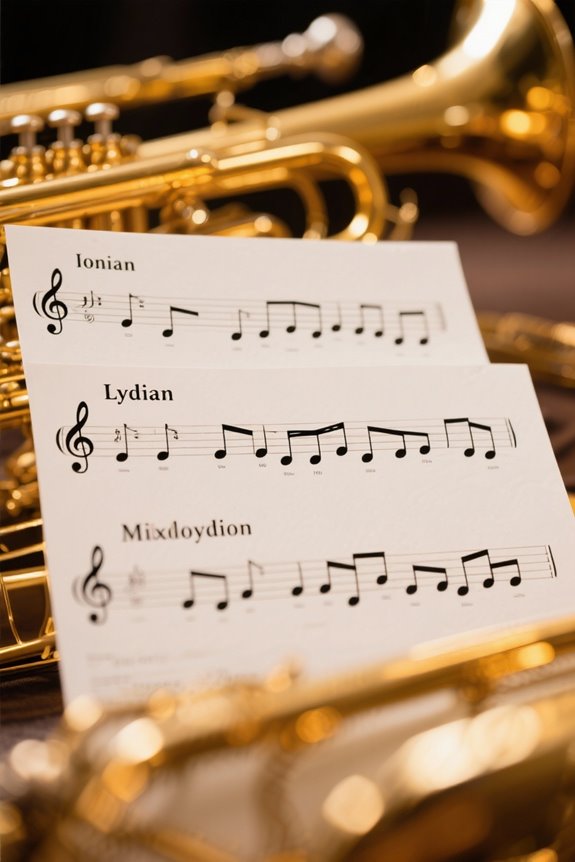
Exploring major modes—Ionian, Lydian, and Mixolydian—can truly empower musicians to expand their creative palettes! The Ionian mode, equivalent to the major scale, uses the notes C-D-E-F-G-A-B-C, creating a cheerful sound. Next is the Lydian mode, which features a raised fourth degree. This results in a bright, uplifting vibe, represented by C-D-E-F#-G-A-B-C in C major. Finally, the Mixolydian mode lowers the seventh degree, providing a slightly bluesy feel with the notes C-D-E-F-G-A-Bb-C. Each major mode shifts tonal emphasis, crafted from different scale degrees of the major scales. These major modes find their place in various genres of Western music, from pop to jazz, offering diverse emotional landscapes for listeners! Utilizing backing track collections can enhance practice by providing accompanying musicianship and rhythm that complement these modes.
Recommended Products

Complete Safety Solution: Advanced RV tire pressure monitoring system with six wireless flow thru sensors; Tracks tire pressure and temperature in real-time; Prevents blowouts with instant alerts for low pressure, high pressure, and rapid leaks

【9.35" Streaming Media Rear View Mirror Camera】The backup camera with a 9.35" monitor displays a wider corner view to easily read important details like road signs and vehicle number plates. This streaming media rear view mirror backup camera screen shows the rear view image behind the vehicles in real-time. Worry-free obstacles anymore

Professional Microphone Compatibility for All Setups: Features 6.35mm/XLR combo input jack and professional-grade preamp, supports 48V phantom power. Works seamlessly with dynamic, condenser, and ribbon microphones, eliminating the need for extra adapters or converters for stage, studio, or home use
Minor Modes: Aeolian, Dorian, Phrygian, and Locrian
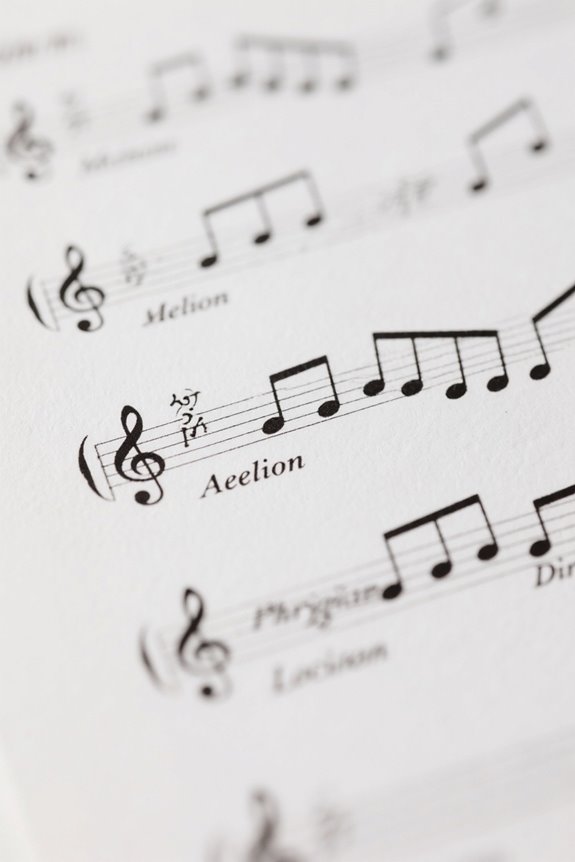
Diving into the world of minor modes can open up a treasure trove of musical expression! The Aeolian mode, also known as the natural minor scale, creates a melancholic sound. It features notes A-B-C-D-E-F-G, with emotional qualities that resonate deeply. Dorian, with its raised sixth degree, offers a blend of minor tonality and brightness. Its notes D-E-F-G-A-B-C evoke optimism. The Phrygian mode introduces an exotic flair, thanks to its lowered second. Its notes E-F-G-A-B-C-D are mysterious and enchanting. Finally, the Locrian mode stands out as the darkest, with both a lowered second and fifth. Its notes B-C-D-E-F-G-A present a unique intensity. Together, these minor modes expand the landscape of major and minor tonalities! Additionally, understanding the performance versatility of these modes can enhance your musical creativity.
Recommended Products

Laminated spruce top, back and sides with solid maple neck and fingerboard


Differences Between Scales and Modes
While both scales and modes are foundational elements in music, they serve different purposes and have unique characteristics. Scales, like the major scale, are sequences of notes organized in ascending or descending order. In contrast, modes are variations that start on different scale degrees, promoting diverse tonal qualities. For example, minor modes derive from the major scale but shift the tonic note, altering the melody and interval relationships. This allows composers to create unique chord progressions and evoke different emotions. Understanding the differences between scales and modes is essential since it helps musicians use note relationships effectively. By mastering these concepts, musicians can explore a rich tapestry of sounds and deepen their creative expressions! Additionally, the choice of string materials can affect the tonal qualities of the music produced, enhancing the overall sound experience.
Recommended Products

Nitrogen Steel Material & Process: The handpan drum is constructed with heavy duty nitrogen steel material, use fire heat treatment, wear-resistant and rust-proof for beautiful outlook and long time use. The hand drum craft is handmade, there are obvious traces of manual thumping
【Nitrogen steel Material& process】The handpan drum is constructed with heavy duty nitrogen steel material,use fire heat treatment,wear-resistant and rust-proof for beautiful outlook and long time use.The hand drum craft is Handmade,there are obvious traces of manual thumping.

√【Nitrogen steel Material& process】The handpan is constructed with heavy duty nitrogen steel material,and the two deep-drawn half shells have been manual hammering and fire heat treatment by the craftsman to become a handpan drum instrument with beautiful sound and beautiful colors.Durable and sturdy.
Constructing the 7 Musical Modes
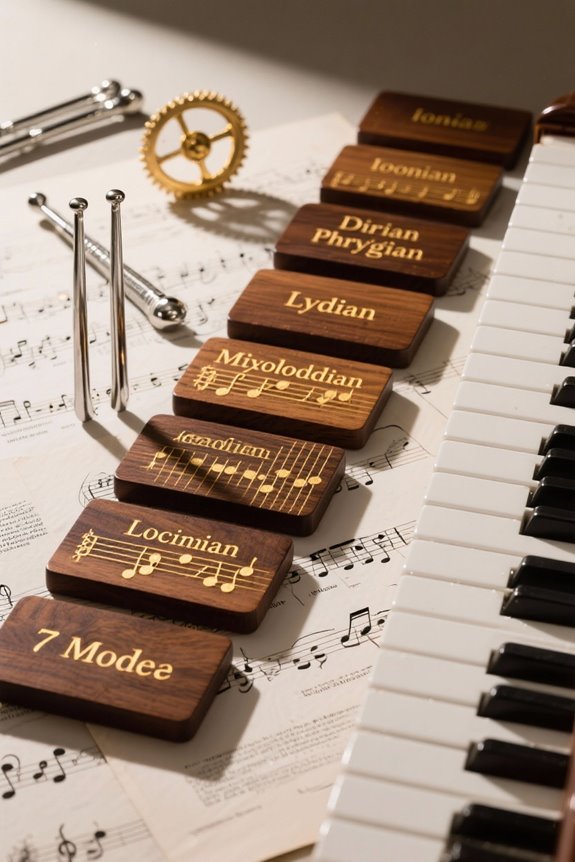
Musical modes offer a fascinating way to explore musical creativity! The seven musical modes, derived from the major scale, include Ionian, Dorian, Phrygian, Lydian, Mixolydian, Aeolian, and Locrian. Each mode starts on a different scale degree, resulting in unique sounds. For example, the Ionian mode is simply the major scale, while the Aeolian mode matches the natural minor scale. The Dorian mode features a flattened third and seventh, creating a jazzy feel; the Lydian mode shines with its bright, raised fourth! Meanwhile, the Locrian mode’s diminished fifth gives it a mysterious tone. Understanding these musical modes enhances one’s creativity, allowing for rich emotions and textures in various musical styles. Exploring different accordion bellows tape options can also inspire unique tonal qualities in musical performances! So, experiment and have fun revealing new sounds!
Writing Modal Melodies
Exploring different modes opens up exciting possibilities for writing melodies! To craft engaging modal melodies, one should use all the notes from the scale to enhance unique sound characters, especially in C Ionian and Aeolian modes. Highlighting key characteristic notes boosts the melody’s modality, setting it apart from minor modes. Incorporating strong melodic cadences that resolve to the tonic note brings stability and direction. However, it’s best to avoid interval patterns featuring augmented 4ths or diminished 5ths, as they create unwanted dissonance. Remember, practicing these specific interval patterns helps internalize each mode’s distinct sounds and emotional feelings! Additionally, consider utilizing comprehensive lesson plans that cater to various skill levels to further enhance your understanding of modal melodies! So grab your instrument and start experimenting—writing modal melodies can be both fun and rewarding!
Recommended Products

On Screen C1 Ejer

More than two 20-week semesters covering seven different subjects

Plenty of space for lesson plans, attendance records, and grades for 40 weeks of school.
Parent Scales
Understanding parent scales is essential for grasping the origins of different musical modes. Each mode, like the Dorian mode—second to the major scale—begins with its own unique note. The Lydian mode, for example, is the fourth mode of the major scale, marked by a raised fourth scale degree. Then, the Mixolydian mode, the fifth mode, lowers the seventh note, maintaining its connection to the major mode. The Aeolian mode, or natural minor scale, flows from the sixth degree, offering a distinct minor tonality. Additionally, the Locrian mode, which arises from the seventh scale degree, introduces unique intervals. By understanding these parent scales, one can reveal the beauty and variety of modes explained, enhancing musical creativity! High-quality instrument cables, which can minimize interference, also play a crucial role in accurately capturing these modal nuances in performance.
Organizing Modal Sounds
When musicians begin to organize modal sounds, they soon realize that each mode carries its own unique emotional flavor. Brightness and darkness play crucial roles here. Lydian mode shines brightly, often associated with uplifting and cheerful sounds. In contrast, Locrian mode brings a sense of darkness and tension, which can create unease. Understanding these tonal qualities helps musicians evoke specific feelings in their pieces. For instance, using Lydian may elevate the mood, while Locrian can add depth and complexity. By mastering modal interchange, artists can blend these modes effectively, crafting diverse atmospheres and emotional dynamics. This organization of modes not only enhances composition but also enriches improvisation, guiding musicians toward their desired emotional impact! Additionally, the selection of material quality for musical instruments can significantly influence sound production and overall emotional expression.
Recommended Products
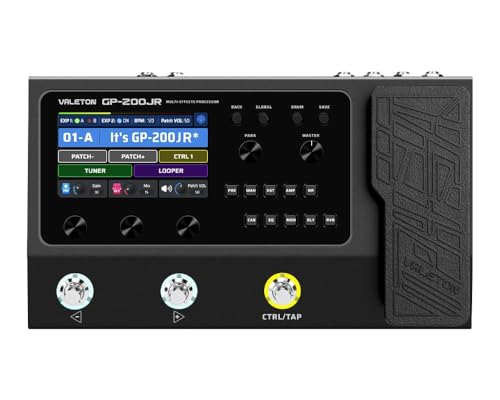

Studio-Grade Sound Processing: Experience pristine sound with a 24-bit/44.1kHz high-resolution, delivering ultra-low noise and 117dB dynamic range. Features 120 authentic amp models (85 guitar, 30 bass, 5 acoustic) and 100+ premium cabinet IRs (65 guitar, 25 bass, 10 acoustic), with support for third-party IR loading for ultimate tone customization

High-gain distortion effect pedal
Frequently Asked Questions
What Is the Difference Between Major Modes and Minor Modes?
The difference between major and minor modes lies in their melodic structure, with major modes derived from the major scale and minor modes from the minor scale, influencing emotional impact, harmonic analysis, and chord progression in compositional techniques.
How to Explain Major and Minor in Music?
Major and minor in music emphasize distinct emotional narratives. Major key characteristics evoke brightness, while minor key emotions convey depth. Chord progressions comparison and melodic variations analysis reveal harmony structures, influenced by historical context and cultural factors in songwriting techniques.
How to Understand Modes in Music?
Exploring modes in music reveals emotional connotations and unique modal characteristics, offering musicians insights into historical contexts and practical applications. Mastering modal scales allows for improvisation techniques and enhances composition, bridging folk music modes with contemporary styles.
What Do You Understand by Major or Minor Scale in Music?
The major scale features bright characteristics, conveying joy, while the minor scale’s properties evoke emotional nuances. Their construction influences various genres, with historical significance, representation in notation, and improvisation techniques shaping their cultural impact in music.