As an Amazon Associate, we earn from qualifying purchases. Some links on this site are affiliate links at no extra cost to you. Our recommendations are based on thorough research and editorial judgment.


The Ultimate Music Notation Guide: One Resource You Can’t Afford to Miss

If you’re looking to master music notation, you’ve found the ultimate guide! This resource has everything you need to write and read music clearly. It covers essential symbols and terms, making it easier to express your musical thoughts. Plus, there are practical examples to help you apply what you learn. Whether you’re a beginner or a pro, you’ll find tools suited to your style. Stick around to discover even more tips that can elevate your music-making!
Key Takeaways
- The guide offers a comprehensive overview of essential symbols and terms for clear music notation.
- It includes practical examples to enhance understanding of various musical styles and notation types.
- Tailored for all skill levels, from beginners to experienced composers, making it universally accessible.
- The resource emphasizes clarity and precision, ensuring accurate communication of musical ideas.
- It features both digital and printed formats to cater to diverse preferences and learning styles.
Song Writer’s Composing Template Stencil for Music Notes & Symbols
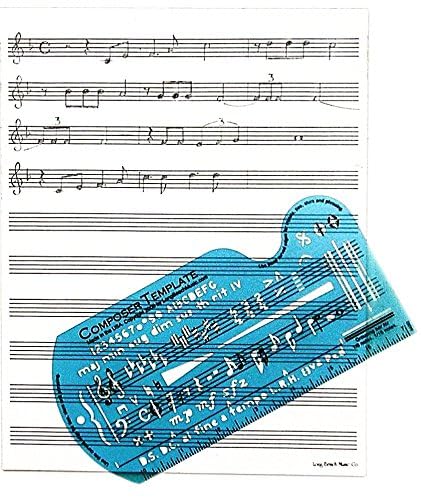
Song Writer's Composing Template Stencil for Music Notes & Symbols with Manuscript Staff Paper...
- Make your song writing neat and professional looking
- Use any type of sharp pencil or fine-tip pen
- Great for song writers, music students, music teachers, and composers
If you’re a songwriter, music student, teacher, or composer, the “Song Writer’s Composing Template Stencil for Music Notes & Symbols” is perfect for you! This handy tool helps you create neat and professional-looking music notation. You can easily write music notes and symbols, making your compositions stand out! Designed with structured staff paper, it streamlines the creative process. Plus, it works wonderfully with sharp pencils and fine-tip pens, ensuring your notes are crisp and clear. Whether you’re just starting or you’re experienced, this template will simplify your songwriting journey—keeping your ideas organized and inspiring your creativity!
Best For: Songwriters, music students, teachers, and composers looking to enhance their music notation skills.
Pros:
- Neat and Professional Appearance: Ensures clear and organized music notation, which is essential for effective communication of musical ideas.
- User-Friendly Design: Simplifies the songwriting process with structured staff paper, making it accessible for users at varying skill levels.
- Compatible with Multiple Writing Tools: Works well with sharp pencils and fine-tip pens, allowing for versatility in writing styles.
Cons:
- Limited to Notation Use: Primarily focuses on music notation, which may not appeal to those looking for a broader range of music-writing tools.
- Potential Wear Over Time: Repeated use may lead to wear on the stencil, affecting its long-term usability.
- Initial Learning Curve: Some users may require time to get accustomed to using the template effectively, especially beginners.
Factors to Consider When Choosing a Music Notation Guide

When you’re picking a music notation guide, it’s important to contemplate what you need it for! Think about your target audience, the type of notation they prefer, and how clear and precise the guide is. Tools like software or apps can also make a big difference, so weigh your options carefully!
Purpose of Notation Guide
Choosing a music notation guide can feel overwhelming, especially with so many options out there! The main purpose of a notation guide is to help you write and read musical scores clearly. This makes it easier for musicians to communicate and share ideas. You’ll find essential symbols and terms that enable you to express your musical thoughts accurately. Some guides focus on specific styles, so pick one that fits your interests. Additionally, a solid guide includes practical examples demonstrating how to apply music symbols effectively. By understanding the guide’s purpose, you can enhance your songwriting efficiency, reducing confusion and errors during the creative process. So, jump in, explore, and find the right notation guide for you!
Target Audience Needs
Figuring out what your audience needs is essential in selecting the right music notation guide! Start by considering their skill level—are they beginners or seasoned musicians? This helps in choosing a guide that matches their experience. It’s also smart to think about the musical genres they’re passionate about. A good guide should include relevant symbols and notations for those styles. Don’t forget the format! Some prefer digital guides, while others like printed materials. Educators need clear explanations and examples that cater to different learning abilities. Finally, verify the guide’s accessible to everyone, from hobbyists to professional composers. Choosing the right guide makes a big difference, helping your audience grow in their musical journey!
Type of Notation Used
Music notation plays an essential role in how you express your musical ideas! You’ll find various types, each catering to different needs. Standard notation is popular, using a five-line staff to show pitch, duration, and dynamics. It’s commonly used in Western music! Tablature is perfect for guitarists, showing you where to place your fingers instead of relying on a staff. If you’re into experimental sounds, graphic notation uses shapes and symbols, which can visually represent your music in a unique way! Ultimately, choosing the right notation depends on your style and how you want to communicate your music. Taking the time to pick the right one can enhance your performance and creativity immensely!
Clarity and Precision
When considering a music notation guide, clarity and precision are key factors that can really make a difference! Clear notation guarantees every note, rest, and symbol is easy to read, helping you avoid misinterpretation while performing. Precision is crucial too; consistent note placement on the staff guarantees accurate pitch and timing. Plus, using standardized symbols allows musicians to communicate effectively, enabling smooth collaboration. Pay attention to how different musical elements, like dynamics and phrasing, are clearly shown to accurately reflect the composer’s intentions. Finally, using high-quality notation tools enhances the overall look of your music sheets, creating a professional vibe for teaching and performing. Don’t underestimate these factors—they’re essential for your musical success!
Tools for Notation
Choosing the right tools for notation can make all the difference in your music writing experience! First, look for tools that are clear and easy to use, so your notes stay neat and organized. Templates featuring traditional staff lines are a must—they help with accurate note placement. Think about compatibility with writing instruments, too; sharpened pencils and fine-tip pens work best for clean results. The layout of your notation guide is essential, as it should simplify the songwriting process, especially for complex arrangements. Don’t forget to choose tools that cater to various skill levels! Whether you’re a beginner or an experienced musician, the right tools can inspire creativity and improve your notation skills!
Learning and Support Materials
Finding the right learning and support materials can be just as important as the tools you use for notation. When you choose a music notation guide, think about clarity and ease of understanding. This helps everyone, from beginners to advanced musicians! Look for guides with practical examples and exercises; they reinforce what you learn and make theory easier to grasp. It’s also smart to pick resources that cover various notation styles, boosting your versatility. Plus, check for supplemental materials like quizzes and interactive elements to enhance your experience. Ultimately, prioritize guides that are updated regularly or supported by a community. Having access to feedback and support can make a huge difference in your musical journey!
Frequently Asked Questions
What Is Music Notation and Why Is It Important?
Music notation is like a treasure map for musicians! It shows you how to play songs using symbols and notes, making music come alive. Without it, musicians might get lost trying to remember melodies. It’s essential for sharing ideas, learning new songs, and collaborating with others. Imagine reading a story without words—you’d miss the magic! So, embracing music notation helps you join in the beautiful adventure of creating and enjoying music together!
Can I Use Digital Tools for Music Notation?
Yes, you can absolutely use digital tools for music notation! Programs like MuseScore or Finale make it easy to create, edit, and share your music. You can add notes, rests, and even dynamics quickly. Plus, many of these tools have playback features, so you can hear your composition right away. It’s super convenient for practice and collaboration! So don’t hesitate—give digital notation a try and see how it simplifies your music-making process!
How Do I Read Sheet Music Effectively?
To read sheet music effectively, start by familiarizing yourself with the staff, notes, and symbols. Look at the clef, which tells you if it’s treble or bass. Then, practice identifying notes and their rhythms. Counting beats helps too! Use flashcards to memorize notes and don’t hesitate to play along with recordings. Finally, mark tricky spots with a pencil for easy reference later. You’ve got this—it’s all about practice and patience!
What Are Common Mistakes in Music Notation?
Common mistakes in music notation include unclear rhythms, inconsistent dynamics, and misplaced accidentals. You might overlook ties or slurs, making your music hard to read. Remember, clarity counts! Notating the wrong note length can confuse performers, so double-check those time signatures. Misaligning notes with the staff lines can also create errors. Paying attention to these details helps guarantee your music conveys the right message, so take a moment to review your work!
Where Can I Find Free Music Notation Resources?
You can find free music notation resources in a few great places! Check out websites like MuseScore and Noteflight, where you’ll find free sheet music and tools to create your own. Don’t forget YouTube—lots of channels offer tutorials and tips. Also, consider visiting your local library; they often have free copies of music books and scores. With these options, you won’t run out of materials to explore and enjoy!


