As an Amazon Associate, we earn from qualifying purchases. Some links on this site are affiliate links at no extra cost to you. Our recommendations are based on thorough research and editorial judgment.


How Long Does It Really Take to Learn a Musical Instrument?

Learning a musical instrument usually takes a few years to reach an early intermediate level. Daily practice of 30 minutes to an hour is essential for improvement. Factors like age, prior experience, and the instrument’s complexity affect how quickly someone learns. Setting clear goals and focusing on quality practice makes a big difference! Each step forward is worth celebrating. If you’re curious about how to make progress even faster, there’s more to explore!
Key Takeaways
- Learning a musical instrument typically takes a couple of years to reach early intermediate levels with daily practice of 30 minutes to 1 hour.
- Age, prior experience, and individual motivation significantly influence the learning speed and duration.
- Mastery of an instrument generally requires about 10,000 hours of focused and quality practice over the years.
- Regular music lessons, ideally weekly, help consolidate learning and maintain consistent progress.
- Recognizing and celebrating small achievements during the learning process enhances motivation and reinforces dedication.
Understanding the Learning Process
Learning a musical instrument can be an exciting journey! Understanding the learning process is key to progressing. Typically, it takes a couple of years of weekly lessons to reach an early intermediate level. Daily practice is essential, with around 30 minutes to 1 hour recommended for visible improvements. Remember, the time frame can vary greatly based on the instrument’s complexity and the learner’s age and experience. For example, the guitar may present a gentler learning curve compared to the violin. The quality of practice matters, too! Effective music instructors can tailor lessons to suit individual needs, helping students stay engaged and motivated. Finding the right guidance is vital for making the learning experience enjoyable and rewarding! Additionally, using tools like noise gate pedals can greatly enhance your sound quality and improve your practice sessions.
Factors Influencing Learning Duration

Numerous factors come into play when determining how long it will take to master a musical instrument. Age is one factor, as younger learners often progress faster due to developing cognitive and motor skills. Practice is critical too—spending 30 minutes to 1 hour daily greatly impacts learning to play. Prior musical experience can help shorten the duration, since familiarity with music theory eases the shift. Additionally, the complexity of the instrument matters; intricate instruments like violins require more time compared to simpler options, like ukuleles. Finally, individual personality traits such as motivation and preferred learning styles play an important role. Intrinsic motivation often leads to faster advancement, making the journey more enjoyable and fulfilling for learners! Moreover, factors such as acoustic bass kits can also influence the experience, offering various features that cater to different skill levels and preferences.
The Importance of Consistent Practice

When it comes to mastering a musical instrument, consistent practice is absolutely essential. Practicing for at least 30 minutes to 1 hour daily lays a strong foundation for progress. Regular, focused sessions help reinforce skills and deepen understanding, which is vital for achieving music mastery. The more hours of practice one commits, the more improvements become clear, often within just a few weeks. This commitment aligns with the idea that mastering an instrument takes extensive practice—think of the 10,000-hour rule! Remember, proper technique is also key, and a disciplined practice schedule makes a real difference. If you are looking to enhance your learning experience, consider online ukulele courses that offer structured curriculums and community support. Keep those practice sessions steady and watch how your musical abilities soar! Practice consistently, and enjoy the journey of becoming an accomplished musician!
The Role of Quality in Practice
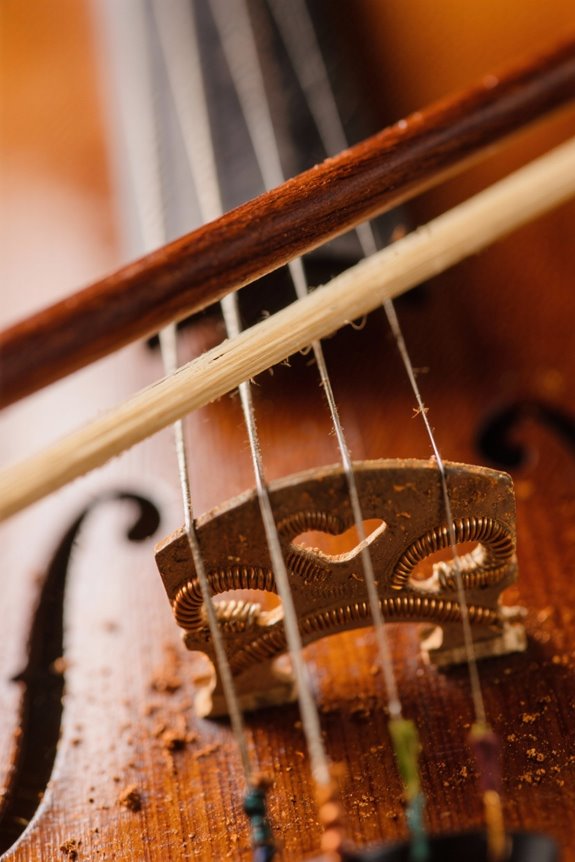
How can musicians elevate their practice sessions to truly make the most of their time? Focusing on quality rather than just quantity is key. A well-planned hour can be more effective than several unfocused hours. Musicians should set clear goals, like mastering specific techniques or pieces, to drive skill development. Evaluating practice regularly allows individuals to spot areas needing improvement, ensuring progress is consistent. Working with a qualified music instructor can also enhance the learning experience, providing tailored strategies and feedback. Remember, engaging in deliberate practice leads to becoming proficient faster, so prioritize quality in every session. With the right approach, musicians can make remarkable strides and enjoy their musical journey!
To further enhance practice, consider investing in quality tools like studio monitors that provide accurate sound representation, which can help in refining skills and techniques.
Estimated Time Frames for Proficiency
Progressing with a musical instrument can be a rewarding journey, and understanding the time it takes to reach various levels of proficiency is important. Typically, achieving early intermediate proficiency requires at least a couple of years of weekly lessons combined with daily practice. For those aiming for expert level, the estimated time frames can vary considerably. Practicing just 30 minutes a day can take around 64 years, while dedicating two hours daily may cut this to about 16 years. Factors like instrument complexity, age, and the quality of instruction received play an essential role in these timelines. Remember, consistent dedication and effective practice are crucial to avoid plateaus and keep advancing! Consider starting with a quality beginner acoustic guitar kit that includes essential accessories to support your learning and development! Stay committed and enjoy the process!
Setting Realistic Goals
Setting realistic goals is essential for anyone learning a musical instrument! By breaking the journey of mastery into smaller, achievable milestones, learners can maintain motivation and monitor progress. For beginners, dedicating just 30 minutes of focused practice daily can result in noticeable improvement in a few weeks. Establishing long-term goals, such as aiming for 2000 hours of practice, creates a clear roadmap to proficiency, acting as an encouraging benchmark. Celebrating small victories, like mastering a new scale or song, reinforces progress and keeps enthusiasm alive. Furthermore, aligning goals with personal interests taps into intrinsic motivation, making the learning process more enjoyable and effective. With the right mindset, anyone can thrive on their musical journey! Additionally, utilizing tools like USB Audio Interfaces can enhance recording experiences and provide valuable feedback during practice.
The Impact of Age and Prior Experience
When considering the impact of age and prior experience on learning a musical instrument, one finds that younger learners often have a head start! Children aged 6-12 typically grasp music fundamentals more quickly due to their rapid cognitive and motor skill development. Furthermore, prior musical experience can greatly boost learning, giving students a solid foundation in music theory and aural skills. Older beginners may face challenges with motor skills, such as finger dexterity, which can slow their initial progress. However, dedicated adults and older teens can still reach proficiency by committing time and effort. Just remember, while distractions might slow down teens, consistent practice is crucial to success, regardless of age! Stay motivated! Additionally, choosing the right instrument and accessories can significantly enhance the learning experience and provide learners with valuable resources.
Challenges Specific to Different Instruments
Learning to play a musical instrument can be a rewarding journey, but it also comes with its own set of challenges. Different instruments present unique hurdles. For instance, string instruments like the violin demand precise pitch control, making them tricky to master compared to simpler options like the recorder. Woodwinds, particularly the oboe and bassoon, require complex fingerings and coordination, while the saxophone is easier to learn. The piano calls for technical skills, such as mastering the pedals and memorizing pieces, requiring more time to become proficient. Percussion instruments challenge learners with intricate rhythms and coordination. Brass instruments need strong muscle control for proper mouth positioning, adding to their difficulty. Each instrument offers its own exciting adventure!
The 10,000 Hour Rule Explained
Mastery in music stems not only from passion but also from dedication and practice. According to Malcolm Gladwell, achieving mastery in playing a musical instrument requires around 10,000 hours of focused practice. If you practice just 30 minutes a day, it could take about 64 years to reach that mark! But if you can manage two hours daily, you’ll reach it in only 16 years. This rule shows that consistency and quality of practice matter more than natural talent. Learning music is a journey, and many musicians continue to improve even after hitting the 10,000-hour milestone. So, set realistic goals and enjoy your progress, knowing that each session brings you closer to mastery! Additionally, maintaining optimal humidity levels is essential for preserving the condition of your instrument, adding to the care needed while you practice.
Music Lessons and Their Frequency
Music lessons are often recommended on a weekly basis, creating a steady rhythm for students to follow. This frequency of lessons can foster consistent progress, helping students retain concepts learned in practice sessions. While some prefer bi-weekly or semi-monthly lessons due to busy schedules, regular lessons are essential for maintaining momentum in learning. Typically, each lesson lasts between 30 to 60 minutes, adjusted for age and skill level. As students engage in daily practice alongside their lessons, their path toward musical proficiency becomes clearer. Personal motivation plays a significant role, too; as students grow, their enthusiasm can inspire increased lesson frequency. Ultimately, finding the right schedule can make the music journey enjoyable and effective! Additionally, incorporating practice techniques like those used with portable amplifiers can enhance a student’s overall learning experience.
Celebrating Progress Along the Journey
Progress in learning an instrument is often best celebrated through the small victories along the way. By tracking progress, students can see how far they’ve come, appreciating even minor improvements. Celebrating progress helps keep motivation high! Milestones, such as mastering a new song or completing a level of music theory, highlight dedication and hard work. Setting weekly personal goals, like learning specific scales, allows for regular moments of success. Positive reinforcement from teachers and peers, whether during performances or casual evaluations, enhances enjoyment and pride in their musical journey. Remember, each small achievement adds up, creating a strong foundation for future growth. So don’t skip celebrating those little wins—they’re an essential part of the overall experience! Utilizing interactive flashcards in your practice can further enhance your understanding of music concepts and support your growth as a musician.
The Lifelong Nature of Music Learning
A journey in music learning is unlike any other, filled with endless opportunities for growth and exploration. Learning to read music or mastering an instrument often takes years, and this process is continually enriched by every single piece played. Each musician develops a unique learning style, making their path to proficiency distinct. It’s important to remember that there is no definitive endpoint; musicians constantly discover new skills and deeper meanings in their craft. The time it takes to master an instrument varies, but long-term engagement leads to greater satisfaction. By incorporating music into daily life and practicing consistently, individuals can enhance their skills and enjoy the truly lifelong nature of music learning!
Frequently Asked Questions
Can an Instrument Be Self-Taught?
An instrument can indeed be self-taught. Through effective self-teaching methods, utilizing online resources, maintaining structured practice routines, applying motivation techniques, and overcoming challenges, individuals can develop significant musical skills with dedication and persistence.
Can You Learn an Instrument After 40?
Like a late blooming flower, adult learners can indeed learn an instrument after 40. With dedicated practice methods and strong motivation techniques, beginner musicians can overcome challenges and flourish, revealing their musical potential.
How Hard Is It to Learn a Musical Instrument?
Learning a musical instrument can be challenging due to the steep learning curve, practice routine requirements, and motivation factors. Skill development varies by age considerations, affecting individual progress and perseverance in mastering the instrument.
What’s the Easiest Musical Instrument to Learn to Play?
Like a gentle breeze, learning the ukulele basics offers instant gratification, while the piano’s simplicity, the guitar’s accessibility, the recorder’s charm, and the harmonica’s fun create a symphony of choices for aspiring musicians.


