As an Amazon Associate, we earn from qualifying purchases. Some links on this site are affiliate links at no extra cost to you. Our recommendations are based on thorough research and editorial judgment.


Why Slow Practice Is Actually Faster: a Beginner’s Guide

Slow practice might seem counterintuitive, but it can actually make you play faster in the long run! By practicing slowly, you boost your accuracy and control while uncovering musical details. This method helps correct mistakes, like awkward finger positions, and builds strong muscle memory. For example, try playing a tricky section at half speed. Gradually shifting to faster tempos solidifies your skills. Keep exploring how to incorporate this powerful practice technique to improve your musicianship!
Key Takeaways
- Slow practice enhances listening skills, allowing musicians to notice subtle nuances that facilitate quicker mastery of pieces.
- By reinforcing note accuracy and correcting mistakes, slow practice reduces the time spent unlearning incorrect techniques later on.
- It helps build muscle memory effectively, leading to more confident execution and reducing performance anxiety during presentations.
- Gradual transitions from slow to fast practice solidify skills, making fast performance feel more natural and less stressful.
- Integrating both practice speeds promotes adaptability, enriching overall musicianship and efficiency in learning new material.
The Benefits of Slow Practice
When musicians take the time to practice slowly, they often discover a world of benefits that can greatly improve their overall performance. Slow practice allows them to focus on the main elements of the music, enhancing their listening skills and uncovering inner voices and nuances that might be missed at performance speed. While learning a new piece, playing slowly enough helps in correcting mistakes, such as poor fingering, ensuring that those technical issues are fixed before speeding up. This approach also reinforces note accuracy, reducing reliance on muscle memory, especially during high-pressure performances. Ultimately, as musicians engage mentally and physically, they develop confident execution, transforming their skills into a seamless and expressive performance when they finally play at the intended tempo. Additionally, incorporating proper guitar cleaning kits into their practice routine can ensure the instrument remains in peak condition, further enhancing their sound quality.
Recommended Products

Everything you need to complete your instrument project with a professional-looking finish - all in one box

Premium 36" x 17" Work Mat with Patented Soft Gel Cradle Cube Neck Support

INCLUDES - ColorTone Aerosol Guitar Lacquer (1 can) Vintage White, ColorTone Clear Gloss Nitrocellulose Lacquer (3 cans), ColorTone Nitrocellulose Vinyl Sealer (1 can), and ColorTone Powdered Grain Filler (1 pouch)
Common Misunderstandings About Tempo
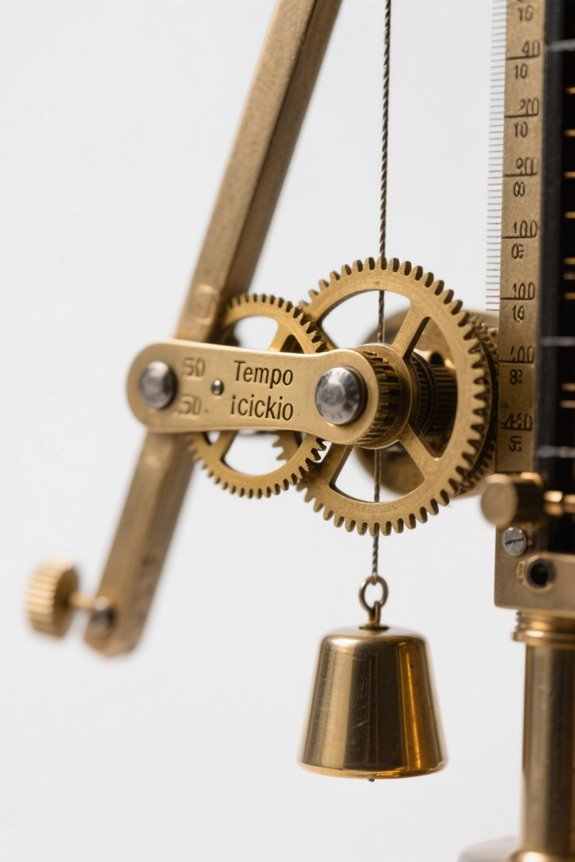
While many beginners may think that practicing at a moderate tempo is enough, this belief can actually hold them back. Slow practice is essential for developing control and accuracy while learning a piece. It allows for detailed observation, helping musicians understand the nuances of their playing. Some might find slow practice tedious, but it builds muscle memory and reduces performance anxiety. Practicing too quickly can lead to mistakes being ingrained, making it harder to correct them later. Fast practice is valuable, but it should complement slow practice—not replace it. By integrating both approaches, musicians can refine their techniques and prepare for powerful performances with confidence. Embrace slow practice; it’s a key to long-term success! Additionally, understanding the importance of material quality can further enhance your playing experience and development.
Techniques for Effective Slow Practice

Effective slow practice is essential for any musician working to improve their skills. To maximize the benefits, aim to play at half or three-quarters of your intended performance tempo. Break down complex passages into smaller sections, focusing on one part at a time. Practicing hands separately can enhance control and coordination, allowing each hand’s intricacies to shine. Additionally, try using techniques like “skeleton practice,” which emphasizes core elements like melody and bass lines. Regularly incorporating slow speeds and then shifting to faster tempos will solidify your skills and boost your musicianship. Remember, slow practice doesn’t just slow you down; it lays the groundwork for quicker mastery during your performances! Incorporating slow practice can also be useful when learning to play specific instruments, like the Kentucky KM-150, which enhances sound clarity and playability.
Balancing Slow and Fast Practice

Finding the right balance between slow and fast practice can make a significant difference in a musician’s journey. Slow practice builds precision and solidifies technique, allowing players to master challenging sections. Once comfortable, introducing fast practice helps musicians understand the overall structure of the piece, enhancing their musicality. Starting at a slower tempo is key, with a gradual increase to maintain control and confidence. Mixing both practice speeds within sessions boosts adaptability, making learning smoother and more engaging. For example, a musician can spend ten minutes on slow practice, then switch to fast practice for another ten. This dynamic approach keeps practice sessions fresh, minimizes performance anxiety, and ultimately leads to a stronger, more expressive performance. Additionally, incorporating practice pads into routine practice can further enhance technique and control.
The Role of the Mind in Learning

As musicians progress through their practice routines, the importance of the mind in learning becomes increasingly clear. Playing slowly can reveal deeper understanding and enhance good practice techniques. When musicians focus on slow tempo, they allow their minds to actively listen, making room for valuable mental practice. This approach emphasizes the recall of fundamental skills, helping players discover new things about their music. Neurological changes occur, reducing cognitive load and fostering better awareness. Just like learning a new language, revisiting basics paves the way for mastery. By incorporating techniques like visualization during slow practice, musicians reinforce their skills beyond mere physical execution. Moreover, developing aural skills through structured learning fosters a deeper understanding of music theory and enhances overall performance. Remember, it’s not just about playing fast; it’s about cultivating a mindful and thoughtful approach to music!
Enhancing Musicianship Through Slow Practice
Embracing slow practice opens up a world of possibilities for musicians at any level! By practicing at a slow speed, musicians enhance their musicianship by articulating notes clearly and developing efficient learning habits. This method encourages correct finger placements, which helps avoid mistakes that can take longer to fix later. Breaking down a piece into manageable sections allows players to explore musical details, improving their interpretive skills. Additionally, slow practice builds confidence, combating performing anxiety by creating a solid foundation before presenting the piece at performance tempo. Finally, it sharpens active listening skills, enabling musicians to hear subtler elements like inner voices and harmonies that often get lost when playing too fast. Using a quality digital metronome during slow practice sessions can be especially beneficial in maintaining steady tempos and enhancing rhythm awareness. Slow practice truly transforms the way musicians learn!
Frequently Asked Questions
Is It Better to Practice Slow or Fast?
Practicing slowly benefits learning retention and technique improvement, enhancing muscle memory development and accuracy. Although fast practice can boost performance confidence, balancing both methods fosters mental focus, reduces stress, and aids in musical expression.
What Is the 80 20 Rule in Piano?
The 80/20 rule in piano posits that 80% of skill mastery derives from 20% of focused learning. By prioritizing challenging piano techniques, musicians can enhance effective practice, time management, and muscle memory within their routines.
Do Piano Players Have High IQ?
Piano players often exhibit enhanced cognitive abilities, including improved problem-solving and memory retention, attributed to their practice habits. While high IQ isn’t guaranteed, the discipline and attention span developed foster strong musical intelligence and diverse learning styles.
Why Is Slow Practice Important?
Slow practice is essential for musicians; for example, a beginner pianist enhancing their timing accuracy discovers improved technique and error correction. This approach fosters memory formation, focus sharpening, comprehension enhancement, and ultimately builds confidence for consistent performances.


