As an Amazon Associate, we earn from qualifying purchases. Some links on this site are affiliate links at no extra cost to you. Our recommendations are based on thorough research and editorial judgment.


Can You Learn Multiple Instruments at Once as a Beginner?

Yes, beginners can learn multiple instruments at once! It can enhance creativity and musical understanding. For example, learning piano and guitar together helps with music theory. However, it’s important to focus on one instrument first to build a solid foundation. Regular practice of about 30 minutes on each instrument is ideal. Balancing your time and setting clear goals will keep you motivated. Excited to discover more tips on this musical journey?
Key Takeaways
- Yes, beginners can learn multiple instruments at once, but it requires dedicated practice and clear priorities for effective progress.
- Start with one instrument to build a solid foundation before gradually introducing another to avoid being overwhelmed.
- Aim for at least 30 minutes of focused practice per instrument daily to maintain enthusiasm and prevent burnout.
- Concentrate on universal musical concepts to facilitate knowledge transfer and ease the transition between instruments.
- Joining local bands or community groups can enhance collaboration and expose beginners to diverse techniques and styles.
The Growing Trend Of Multi-Instrumentalism
As aspiring musicians explore the exciting world of multi-instrumentalism, it’s clear this trend is gaining traction, especially in Australia. Learning multiple instruments allows musicians to deepen their understanding of music theory, while also enhancing their creativity! This versatile approach not only expands gig opportunities but also encourages effective collaboration in band settings. However, juggling practice time for each instrument can be challenging. It’s important for musicians to develop smart practice strategies to make the most of their time. Finding ways to incorporate learning multiple instruments into daily routines makes the process enjoyable and rewarding! By embracing multi-instrumentalism, aspiring musicians can stand out, adapt to diverse musical styles, and ultimately enrich their performing experience! Additionally, utilizing resources like comprehensive lesson plans can help structure practice effectively across different instruments.
The Benefits Of Being A Multi-Instrumentalist

Being a multi-instrumentalist opens up a world of opportunities that can greatly enhance a musician’s journey. The benefits of learning two instruments at once are immense! Each instrument adds a unique perspective on music theory, helping to build a deeper understanding of composition. As musicians practice on different instruments, they become more versatile. This versatility leads to improved collaboration in bands, making it easier to communicate and create together. Additionally, exploring various instruments inspires creativity, allowing for a richer musical expression. Teaching multiple instruments also broadens a musician’s student base, providing a chance to share diverse concepts and techniques. With all these advantages, becoming a multi-instrumentalist is a rewarding path worth considering! Furthermore, knowledge of different instruments can enhance your understanding of audio input and output capabilities, ultimately improving your overall musical skills.
Career Advantages Of Playing Multiple Instruments

In today’s music industry, having the ability to play multiple instruments can greatly boost a musician’s career prospects. Multi-instrumentalists enjoy many career advantages. They can attract diverse gig opportunities in both live performances and recording sessions. These musicians often command higher fees, as they fill various roles within bands and musical projects. Additionally, teaching multiple instruments can widen a musician’s student base, leading to better income potential. Understanding different instruments enhances conducting and arranging skills, making them effective leaders in ensemble settings. This growing trend of multi-instrumentalism reflects a thorough approach to musicianship, increasingly valued in today’s competitive music scene. Embracing multiple instruments can set a musician apart and open doors to new opportunities! Moreover, the ability to choose quality strings for different instruments can significantly enhance sound and performance.
Cognitive Benefits Of Learning Multiple Instruments
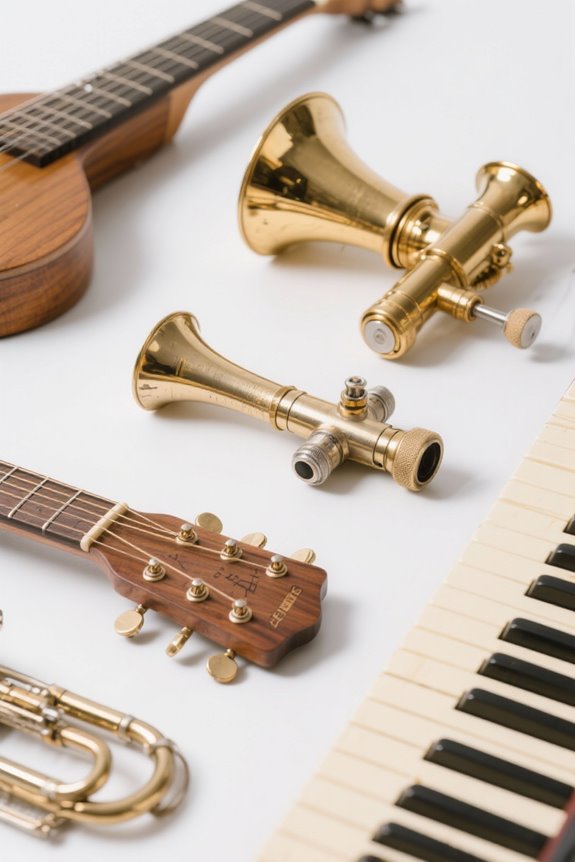
Revealing the world of music by learning multiple instruments offers exciting cognitive benefits that enhance overall brainpower! Engaging with different instruments boosts cognitive abilities, improving motor skills and increasing brain plasticity, which helps with musical fluency. Each instrument stimulates various brain areas, enhancing coordination and multitasking. As learners master distinct musical techniques, they sharpen problem-solving and critical thinking skills. This journey into multi-instrumentalism promotes a deeper understanding of music theory, aiding memory retention and comprehension of complex concepts. Additionally, learning music from different instruments fosters creativity and expression, allowing individuals to connect various musical languages and styles. Active reamping techniques can also be explored by musicians as they sharpen their skills across different instruments. Embrace the challenge, as the cognitive rewards are truly worth the effort!
The Challenges Of Learning Multiple Instruments

While diving into the world of music through multiple instruments is exciting, it can also come with its share of challenges. Beginners often find that juggling practice time across multiple instruments can dilute their focus. This can lead to a struggle for proficiency, as each instrument requires different techniques and dedicated effort. It’s essential to set clear priorities and goals, as doing too much at once may lead to overwhelming frustration. Switching frequently between instruments without solid practice can cause burnout, making it hard to enjoy the learning experience. For many, building a strong foundation with one instrument first allows for more focused and effective learning before tackling additional instruments. Additionally, maintaining your instrument with a good alto sax care kit can ensure that you maximize your practice time. Remember, quality practice often beats quantity!
Time Management Strategies For Multi-Instrumentalism
How can beginners effectively manage their time when learning multiple instruments? Time management is essential! Aim for at least 30 minutes to an hour of focused practice sessions for each instrument daily. It’s important to take breaks between sessions to keep motivation high and prevent burnout. Establish a structured practice schedule that prioritizes consistency and balance. This helps in evaluating progress and adjusting techniques as needed. Beginners can also benefit from strategic phase learning—mastering the basics of one instrument before picking up another. Finally, set clear and achievable goals for each instrument. This not only keeps you focused but also fosters a sense of accomplishment throughout your learning process! To enhance sound quality, consider the materials used in guitars, which can significantly impact your learning experience. Happy practicing!
Recommended Products
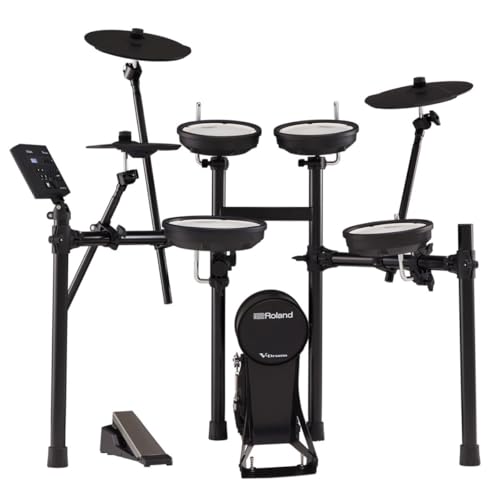
Conveniently compact and ideal for drumming at home, the TD-07KV V-Drums kit delivers the superior expression and playability of high-end V-Drums in a budget-friendly package.

Complete Percussion Experience - Professional 8-piece electronic drum set with ultra-quiet Alesis mesh heads, revolutionary Drum Module with Bluetooth and built-in industry-leading BFD drum sounds

DigiTech Trio+ Band Creator and Looper Pedal Band Creator Effects Pedal with Automatic Bass and Drum Parts, 12 Genres, 12 Styles, Variable Tempo, Individual Volume Controls, Effects Loop, Looper, SD Card Expansion, 5-part Loop Sequencer Power Supply FS3X Three Function Foot Switch and 4 Cables
Overcoming Technical Interference Between Instruments
Steering through the world of multiple instruments can be an exciting yet challenging journey! One common hurdle is technical interference between instruments, where skills learned on one can confuse your technique on another. To combat this, a targeted practice routine is key. Focusing on the unique techniques of each instrument during deliberate practice helps ease shifts and reduces frustration. Quality instruction plays an essential role, guiding learners through the specific demands of each instrument. Time management is also crucial; by dedicating separate practice sessions to each instrument, alongside strategic breaks, you can enhance understanding without feeling overwhelmed. This balance not only fosters skill development but also keeps your enthusiasm alive as you explore the wonderful world of music! Additionally, using A-frame guitar stands can provide stability and secure your instruments during practice, which supports your learning environment.
Establishing A Structured Practice Schedule
Creating a structured practice schedule brings clarity and focus to the exciting adventure of learning multiple instruments! Aiming for at least 30 minutes of dedicated practice per instrument each day can lead to steady progress. It’s beneficial to break up practice sessions, allowing time in between to avoid burnout and keep enthusiasm alive. For example, practicing the guitar, then taking a break before switching to the piano can boost energy levels.
Additionally, regularly evaluating your practice routine against your personal goals will help refine your approach. Clarifying what you want to achieve with each instrument and incorporating varied activities will keep practice engaging. This balanced strategy lays the groundwork for enjoyable and effective learning while mastering multiple instruments. To enhance your sound, consider investing in a high-quality multi effects processor that aligns with your musical goals.
Recommended Products
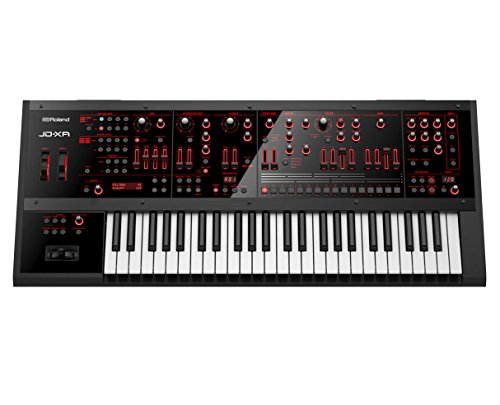
Advanced synthesizer with independent analog and digital sound engines

49 full-sized keys with velocity and channel after touch

Powerful Amp and Effect Modeling: Experience over 100 amps and effects, including classic and modern Fender models, all crafted with precision inspired by the Tone Master series for unmatched sound quality.
Phasing The Learning Process
Mastering multiple instruments can be a fun and rewarding journey, especially when learners navigate the process. Navigating the learning process means taking your time to practice one instrument before adding another. This strategy helps build a solid foundation, making it easier to focus on getting better. Setting aside specific time slots for practice guarantees that you don’t spread yourself too thin. Aim for at least 30 minutes daily for each instrument to see significant progress over time. Concentrate on universal musical concepts like scales and arpeggios—these will help you shift smoothly between instruments later. Remember to keep your goals clear and achievable, as this will help maintain your interest and motivation throughout your learning adventure! Additionally, understanding scale length in instruments can aid in your playing comfort, especially when transitioning between different types of guitars.
Recommended Products

Realistic Grand Piano Sound - Enjoy the rich, natural sound of a concert grand piano, including both damper and string resonance, plus 9 other instrument Voices

Keyboard that reproduces the touch of an acoustic piano, with an elegantly designed dedicated stand.

Powerful Performance Capabilities: This professional 9-piece electronic drum set includes 12" two-piece independent hi-hat, 8" kick tower, 12" triple-zone ride cymbal, 10" dual-zone snare, three 8" dual-zone toms, and 11" dual-zone crash cymbals with choke function. The responsive mesh heads offer natural rebound and an expansive dynamic range, while the two-piece hi-hat and triple-zone ride cymbal provide expressive sound and precise control. A reinforced H-frame rack ensures rock-solid stability, letting you focus solely on your performance.
Leveraging Knowledge Transfer Across Instruments
Although learning multiple instruments may seem challenging at first, it opens up a world of musical possibilities! When a beginner masters music theory and concepts like scales and chords on one instrument, that knowledge translates easily to others. For example, skills sharp on the drums—like rhythm—can enhance timing on instruments such as guitar or piano. Techniques like finger positioning and breath control learned on one instrument can simplify the learning process on another, making it feel less overwhelming. Understanding music from various perspectives can spark creativity in compositions and arrangements. By utilizing universal musical concepts, beginners can navigate multiple instruments more effortlessly, fostering a deeper appreciation and expression of music overall. Embrace the journey, and enjoy the music! Moreover, the experience gained from playing high-quality mesh heads can significantly improve one’s overall drumming skills and enhance coordination, benefiting the acquisition of other instruments.
Recommended Products

40 New Preset Kits, 200 User Kits and over 400 New Voices

Unique sampling-pad concept — the only instrument of its kind in the world

Expressive and dynamic sound inherited from Prismatic Sound modeling technology of the TD-50
Recommended Instrument Combinations
Exploring different combinations of instruments can elevate a beginner’s musical journey! Pairing the piano with another instrument is highly recommended, as it builds a solid foundation in music theory. Learning guitar alongside bass creates smooth shifts, thanks to their similar chord structures. Adding drums into the mix can greatly enhance timing and rhythm, especially when learning with a melodic instrument like the guitar. For those interested in woodwinds, trying flute and saxophone together is beneficial; they share similar techniques. Finally, combining guitar with vocal training fosters a cohesive learning experience, boosting creativity. Each of these combinations offers unique benefits, making the learning process enjoyable and effective for budding musicians keen to explore multiple instruments!
Recommended Products

4 inputs and 2 channels can be blended to produce an expanded array of authentic vintage tube tones.
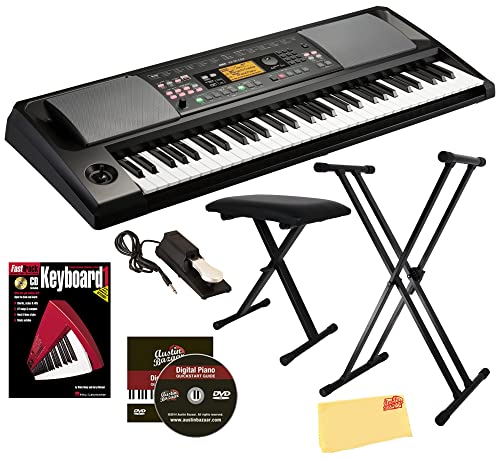
The EK-50 CSA is packed with 686 instruments, 160 Keyboard Sets and 356 authentic musical Styles that capture the essence of Latin music, developed by a team of highly talented musicians and programmers in Latin America. Many of the Styles in EK-50 CSA have been re-made to take advantage of new and inspiring sounds. New authentic saxophone and brass sounds can be heard in Style categories such as Salsa and Merengue, and specialty sounds such as Quena can be heard in Styles such as Cumbia Andina

Bass guitar package with everything you need to control the rhytm
The Importance Of Community And Collaboration
Connecting with others in the music community can make a world of difference for beginner musicians. Engaging with local bands or community groups fosters collaboration, giving beginners the chance to apply their skills while learning from seasoned players. Playing together in social settings not only enhances musical skills but also makes practice more enjoyable and motivating! Joining ensembles or attending local events promotes teamwork, encouraging everyone to grow individually and share experiences. Additionally, the collective motivation found in a vibrant community can lead to shared successes, making the journey of learning multiple instruments richer. Practicing with peers exposes musicians to diverse techniques and styles, ultimately boosting their overall musicianship and deepening their understanding of different instruments!
Frequently Asked Questions
Is It Okay to Learn Multiple Instruments at Once?
Learning multiple instruments at once has pros and cons. Effective practice strategies and time management are essential. Utilizing diverse learning techniques can enhance musicality, but beginners must balance their dedication to avoid overwhelming themselves.
What Musician Played All 27 Instruments?
Prince was a renowned musical prodigy, celebrated for his exceptional instrument versatility. As one of the most famous multi-instrumentalists, he overcame numerous learning challenges, showcasing his talents on all 27 instruments throughout his illustrious career.
Can I Learn Three Instruments at Once?
Learning three instruments at once is feasible with effective time management strategies, selecting complementary instruments, and setting realistic goals. However, maintaining motivation levels while balancing practice can be challenging, requiring discipline and structured routines.
How Many Instruments Can Taylor Swift Play?
Taylor Swift’s instruments include guitar, piano, banjo, and ukulele, showcasing her impressive proficiency levels. Swift’s musical journey emphasizes learning music theory, allowing her to blend styles and create a rich, versatile discography.


