As an Amazon Associate, we earn from qualifying purchases. Some links on this site are affiliate links at no extra cost to you. Our recommendations are based on thorough research and editorial judgment.


Why Age Doesn’t Matter When Learning Your First Instrument

Age truly doesn’t matter when learning your first instrument! People of all ages can enjoy music’s emotional, cognitive, and social benefits. For kids, early music education boosts skills like language and math. Adults can improve memory and brain health through practice. Instruments like the ukulele or piano are great for beginners, and community music groups foster support and friendship. With commitment and regular practice, anyone can thrive! There’s much more to discover about how music enriches lives!
Key Takeaways
- Music education fosters lifelong enjoyment and can enhance emotional growth and interpersonal skills, regardless of when it begins.
- Cognitive flexibility and memory improve with music training, showing benefits for learners at any age.
- Regular practice, even for short durations, leads to significant gains in musical ability and cognitive development.
- Community music groups encourage social connections and collaborative learning, benefiting musicians of all ages and reducing feelings of loneliness.
- Instruments like the ukulele and piano are suitable for beginners, highlighting that physical readiness is prioritized over age.
The Benefits of Starting Early
Starting music education early can open doors to a world of benefits for children, making their lives richer in many ways. Musical exposure during these formative years often leads to enhanced emotional growth. Children engaged in music programs from a young age tend to express feelings better and develop strong interpersonal skills. Music helps build confidence, as kids achieve small successes, encouraging them to tackle new challenges! Moreover, studies show that early musical training correlates with improved academic performance; children involved in music score considerably higher in subjects like English and math. Furthermore, music education aids in language development, providing not just a creative outlet, but also essential life skills and a path to lifelong enjoyment of music!
Cognitive and Perceptual Gains From Music Training

While many people may view music training as just a fun hobby, it offers profound cognitive and perceptual gains that can greatly enhance overall learning and daily life. Engaging in music boosts cognitive flexibility, making it easier to switch tasks and think on your feet. Research shows that this flexibility is a crucial component of executive function. This flexibility helps with schoolwork and everyday challenges! Additionally, music training sharpens auditory attention, allowing individuals to better filter out background noise, making conversations easier to understand, even in busy settings. Musicians often outperform non-players in working memory tasks, enhancing problem-solving skills. These benefits aren’t just for kids; even older musicians show improved cognitive abilities! Furthermore, resources like rhythm sticks enhance coordination and rhythm skills, making music learning all the more interactive and engaging. So, whether young or old, picking up an instrument can open up a whole new world of mental strength and adaptability!
The Role of Duration and Commitment

Musical skills develop over time, and the duration of practice can dramatically influence a musician’s skill level and cognitive benefits. Regular practice is key! Consistency in training, whether daily or weekly, helps reinforce skills and enhance coordination. For example, those who commit to practicing several times a week often see quicker improvements than those who practice sporadically. Additionally, longer practice duration leads to better auditory processing and memory enhancements. Even if someone starts learning later in life, committing to frequent practice can lead to high proficiency. Playing music is linked to better brain health and regular use of ear training devices can further boost a musician’s skill development, ensuring that they not only play well but also understand music deeply. Motivation is vital, too—staying engaged with music helps overcome hurdles and keeps the learning process enjoyable. So, remember: dedication and commitment over time can make all the difference in mastering an instrument!
Recommended Products

[ Low Noise Level ] Equipped with 2 layers of soundproof laminated glass, and Acoustic Insulation Structure walls 6 layers (Aluminum frame structure, Film-laminated Steel Panel, PET Sound-absorbing Board, Eco-friendly Acoustic Panel, Premium Textured Fabric), the booth achieves 35dB(±5dB) reduction, ensuring a peaceful, private workspace.
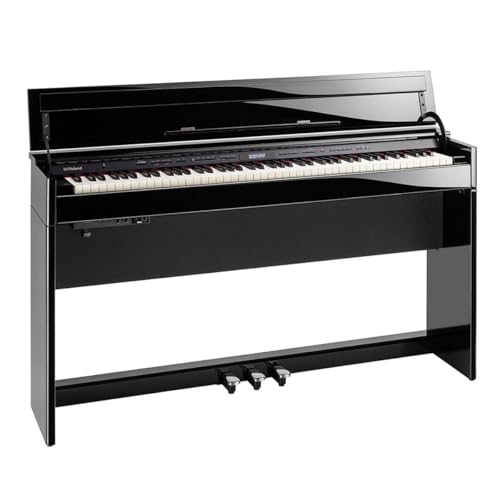
Slim, stylish cabinet design to complement modern living spaces

[No damage to threads] Spark erosion principle, can fast remove broken taps, drills, screws,bolts from work pieces without damage to the threads.
Physical Readiness for Instrument Learning
Learning a musical instrument requires more than just passion; it demands physical readiness too! Musicians often face discomfort in their backs, hands, or shoulders, making muscle conditioning essential. Starting with targeted stretches and strengthening exercises can aid in injury prevention, keeping aspiring players comfortable and engaged. Regular exercise boosts fine motor skills, which are vital for mastering an instrument. In fact, exercise improves memory and boosts fine motor skills, which are essential for musicians. Incorporating regular maintenance of your equipment can also enhance your overall playing experience by ensuring optimal performance. Even brief bursts of physical activity before practice sessions can improve motor memory and skill retention. So, don’t shy away from lifting weights or engaging in fun cardio workouts! By incorporating these practices, anyone can cultivate the physical readiness needed to enjoy and excel in their musical journey, regardless of their age. Embrace the process; your body will thank you!
Skills Developed in Early Music Education

Starting music education early opens the door to numerous skills that can benefit children for a lifetime. Children who learn music develop musical literacy, which includes the ability to read music and understand rhythm. This exposure helps boost cognitive connections in their brain, leading to improved memory and attention. For instance, rhythm and repetition in songs enhance working memory, making it easier to remember facts and details in school subjects. Additionally, structured music programs promote higher academic performance in math and reading. As children engage with music, they also build critical thinking skills, problem-solving abilities, and self-discipline. Moreover, participating in music can improve material durability, as individuals often learn the importance of taking care of their instruments, laying a strong foundation for various skills, making learning more enjoyable and effective!
Long-Term Benefits of Remaining in Music Programs
In a world where academic challenges seem to grow each year, remaining in music programs can be a game changer for students. Music program persistence not only enhances creativity but also provides numerous academic advantages. Students engaged in music education score higher in subjects like math and English, and they often perform better on standardized tests! Plus, research shows that those involved in music programs have a 24% greater chance of graduating high school. Additionally, merging multiple functionalities in streamlined tools like string winders can save time and improve the efficiency of learning and practicing music. Over time, music education boosts brain function and improves memory, which can lead to long-term cognitive benefits. By sticking with music, students can foster self-confidence and develop skills essential for both school and life, leading to enhanced problem-solving abilities making this a truly rewarding journey!
Opportunities for Older Adults
For those seeking new experiences, opportunities for older adults to engage in music are more plentiful than ever! Community programs offer group-based training on instruments like the melodica, making it easy for novices to participate. With just ten short sessions, participants can see measurable improvements in cognitive function, making music engagement both fun and beneficial. These programs also encourage social interaction, helping older adults connect with others who share similar interests. Shorter training periods have been shown to yield cognitive enhancements, reinforcing the idea that it’s never too late to start learning music. Additionally, learning to play instruments such as the steel tongue drum can provide therapeutic benefits and promote relaxation. Whether at a senior center or through local community initiatives, older individuals can discover new passions while boosting their memory and brain health. The journey of learning an instrument can enhance daily life and foster lasting friendships. Why wait? Immerse yourself in the world of music today!
Recommended Products

Featuring phosphor bronze reed, and all aluminum cover

A miniature keyboard powered by your own breath

A miniature keyboard powered by your own breath with a sound similar to a harmonica or accordion
The Power of Community Music Groups
When individuals come together to make music, they often create a powerful sense of community and belonging. Community music groups provide a unique platform for social connection, giving everyone a chance to participate and feel included. When people sing or play instruments together, they experience immediate social support, leading to friendships that can last a lifetime! These groups become like a family, a “home away from home,” especially for those who may feel marginalized. Positive interactions, such as clapping and smiling, boost each member’s confidence and sense of purpose. Plus, engaging in music has been shown to reduce loneliness and improve mental well-being. Music participation not only enhances emotional self-regulation, but also contributes to a richer tapestry of cultural and social life within the community. Many aspiring musicians find that joining community groups can help them discover their beginner-friendly melodicas and improve their skills. So, why not explore a community music group near you? You might just find your new favorite place!
Overcoming Myths About Late Starters
What if age really isn’t the deciding factor in musical success? Many late starters face psychological barriers and societal myths that suggest they can’t succeed in music as adults. However, research shows that motivation levels and consistent practice matter more than when you begin. Adult learners often bring emotional maturity and discipline benefits, which can enhance their learning process. Regular practice is essential for best results; aim for 20 to 30 minutes per session, three to five times a week! Cognitive plasticity also allows the brain to adapt and learn new skills at any age! While challenges exist, such as technical skills to master, the advantages are real. Late starters can develop strong musical abilities through focused practice, proving that fixed limits on age are simply untrue. Music training has been linked to improvements in cognitive development, reinforcing that belief in your potential is crucial at any age. Believe in your potential, and start making music today!
Instruments Suitable for All Ages
Choosing an instrument to learn can be exciting, especially since there are options suitable for everyone, no matter their age! For instance, the ukulele is lightweight and easy to handle, making it perfect for young beginners and adults alike. The piano also stands out as a foundational instrument, teaching essential music theory in an engaging way. Learning an instrument functions as a serious stress reliever, making it even more appealing as a lifelong pursuit. Additionally, incorporating instruments like electric guitars with active direct boxes can enhance sound quality and performance, making them appealing for aspiring musicians. Percussion instruments, like beginner drum kits, offer simple ways for anyone to develop rhythm. Wind instruments, like the trumpet or flute, are accessible and fun, appealing to a wide age diversity. With these instrument options, learners can immerse themselves in music at any stage in life. Each choice fosters creativity and joy, making musical exploration a thrilling possibility!
The Importance of a Supportive Environment
A supportive environment plays an essential role in the journey of learning an instrument. Supportive relationships with teachers and peers are vital, providing emotional safety that encourages creativity. When students feel accepted and encouraged, they are more likely to take risks and express themselves through music. For example, a teacher who celebrates mistakes as part of learning fosters resilience and builds confidence. Music programs that promote collaboration among students create friendships and social networks, helping participants feel connected and included. These relationships not only contribute to emotional stability but also make the learning experience more enjoyable and engaging. Research shows music contributes to cognitive function, creativity, confidence, and emotional stability. Ultimately, a nurturing atmosphere allows budding musicians to thrive, leading to both personal growth and musical success!
Lifelong Learning Through Music
Music is not just for the young; it offers incredible benefits for learners of all ages! Lifelong learning through music fosters cognitive flexibility, which helps the brain adapt and stay sharp, no matter your age. Engaging with music strengthens brain connections, enhancing overall cognitive health and memory. Increased brain plasticity is linked to better resistance against Alzheimer’s and dementia, making music an even more valuable pursuit as we age. Older adults who played instruments in their youth often reminisce about their musical journeys, experiencing musical nostalgia that brings joy and comfort. Even a few years of music training can produce lasting benefits, like improved memory and better verbal skills! Listening to or playing music can uplift moods and promote emotional well-being. So, whether you’re 7 or 70, picking up an instrument can pave the way for a brighter, more fulfilling life!
Frequently Asked Questions
What Are the Best Instruments for Complete Beginners?
Many consider piano, guitar, ukulele, and harmonica as the best beginner instruments due to their instrument suitability for rapidly acquiring skills. Each offers unique benefits that cater to diverse learning preferences and musical interests.
How Can I Find a Local Music Group to Join?
To discover a local music group, one should immerse in community events, like open mics and festivals. Engaging with passionate musicians enables connections, fostering a symphony of collaboration and opportunity in the vibrant local music scene.
Are Online Lessons Effective for Learning an Instrument?
Online platforms have demonstrated lesson effectiveness comparable to traditional formats, with many students enjoying successful learning experiences. However, factors like internet quality and adaptability can influence overall satisfaction and engagement during online music education.
How Often Should I Practice to See Progress?
Like planting seeds for a garden, consistent practice frequency of 20-30 minutes daily nurtures growth. Progress tracking through goals guarantees steady improvement, while regular sessions cultivate skill and prevent burnout, yielding fruitful results for budding musicians.
Can Learning Music Relieve Stress and Improve Mental Health?
Learning music can relieve stress and improve mental health through music therapy and relaxation techniques. Engaging in musical activities fosters emotional release, enhances connectivity, and facilitates mood regulation, leading to overall well-being and reduced anxiety symptoms.