As an Amazon Associate, we earn from qualifying purchases. Some links on this site are affiliate links at no extra cost to you. Our recommendations are based on thorough research and editorial judgment.


The Difference Between Melody, Harmony, and Rhythm

Melody, harmony, and rhythm are the key ingredients that make music enjoyable. Melody is a sequence of notes that creates a memorable tune. Harmony adds depth with chords, like triads made from the first, third, and fifth notes. Rhythm keeps the music moving, providing the beat. For example, a pop song often showcases a catchy melody supported by harmonious chords and a lively rhythm. Understanding these elements can enhance your musical experience, so there’s more to discover!
Key Takeaways
- Melody is a sequence of notes forming a cohesive line, serving as the main theme in a piece of music.
- Harmony refers to the combination of notes and chords that add depth and richness to the melody.
- Rhythm provides the underlying beat and flow of music, organizing time through elements like beat, tempo, and meter.
- The interplay between melody, harmony, and rhythm creates a more complex and emotionally engaging musical experience.
- Different musical genres might emphasize melody, harmony, or rhythm to convey unique emotional expressions and styles.
Understanding Melody
Melody is the heartbeat of music, the delightful sequence of notes that we often hum along to or whistle in our spare time. It is built on the seven notes of the scale, crafting a unique arrangement that forms individual sounds and musical voices. A melody’s range can vary considerably, creating different emotional experiences. Whether it ascends, descends, or flows like a wave, understanding melody means tapping your foot to its rhythm! Melodies can be conjunct, with notes closely connected, or disjunct, featuring exciting leaps. These elements serve as essential building blocks of music, rooted in diverse music traditions around the world. Recognizing melodies enhances our appreciation for melody and harmony, making musical experiences even more engaging! Additionally, different types of instrumentation can influence sound quality within a melody, allowing for unique interpretations and emotional expressions.
Recommended Products

Used Book in Good Condition

Flagship stereo keyboard amplifier with 320 watts of power

Includes QLXD1, QLXD4, instrument cable, power supply, 2 AA batteries, two 1/2 wave antennas, 2 BNC cables, zipper bag, 2 BNC bulkhead adapters, rackmount kit, and user guide
Exploring Harmony
Harmony plays an essential role in creating the rich tapestry of sound in music. It involves the relationship of notes and chords played together. The most common form of harmony includes triad chords, which are built from the first, third, and fifth notes of a scale. Chords have specific names, such as tonic (I), sub-dominant (IV), and dominant (V), each contributing to the music’s character. Understanding musical intervals helps identify how these relate to both melody and chord progressions. In popular music and Western music, harmony adds depth, allowing melodies to shine with two- or three-part effects. This enrichment creates a fuller, more engaging listening experience, inviting everyone to appreciate the beautiful layers of music! Additionally, the choice of construction materials can influence the overall sound quality and tonal characteristics of the chords played.
The Role of Rhythm
Rhythm acts like the heartbeat of music, setting the pace and guiding the flow. It is composed of essential elements such as beat, tempo, and meter. The beat serves as the pulse, often measured in beats per minute, ranging from 60 bpm for slow pieces to 240 bpm for an energetic feel! Tempo relates to how fast or slow the beat moves; it can be defined as slow, medium, or fast. Meter groups these beats into patterns, with common types being duple meter (2 beats) and triple meter (3 beats), each creating a unique ambiance. In Western Classical music, these rhythmic structures can make a piece of music sound happy or stir emotions, showcasing rhythm‘s crucial role in engaging listeners. Moreover, just as in drumming, where the quality of shell material influences sound clarity, the elements of rhythm also contribute significantly to the overall musical experience.
Recommended Products
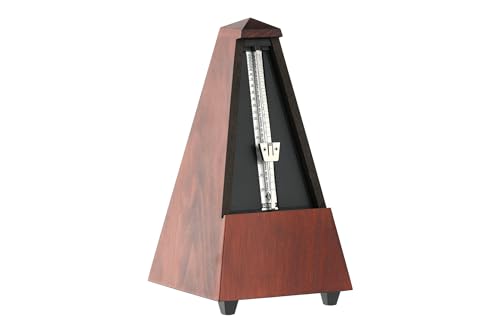
WITTNER Metronome System Maelzel

Use the Tap Tempo button on the face of the pedal to quickly tap in a tempo.

Excellent craftsmanship and the highest grade hardwoods are coupled to produce these wood case models
Interplay of Elements
While music can be enjoyed in many forms, its beauty often arises from how different elements work together. The interplay of melody, harmony, and rhythm is essential for creating engaging music. Melodies consist of single notes that form a cohesive line, while harmonies enrich this sound through chord progressions. Rhythm organizes musical time, emphasizing different time signatures that set the tempo. Different styles, such as classical music, highlight these elements in unique ways. Some genres showcase intricate melodies, while others focus on strong, driving rhythms or complex harmony. Understanding how these components interact can deepen appreciation for a piece. When musicians use counterpoint, they create layers that enhance emotional expression, revealing the complexity and beauty of musical compositions! Incorporating structured lesson plans can help aspiring musicians grasp these concepts more effectively.
Practical Applications in Music
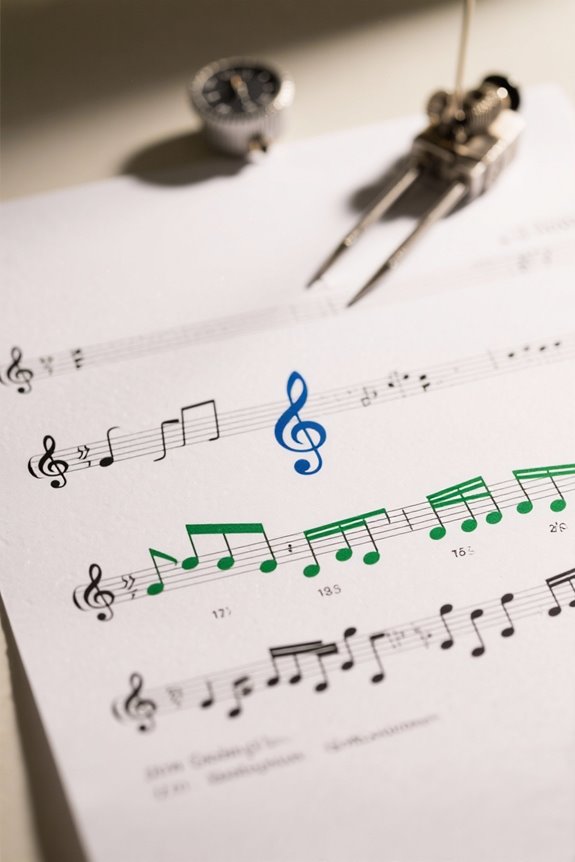
Creating music brings together melody, harmony, and rhythm in exciting ways! For instance, a pop song often features a catchy melody supported by harmonies that can enrich the emotional expression. When developing these elements, musicians might start with just two notes to create harmony, layering different sections for variety. Rhythm plays a crucial role by providing the pulse that listeners can tap their feet to. By understanding the practical applications of melody, harmony, and rhythm, composers can craft arrangements that resonate deeply. For example, balancing consonance and dissonance helps create compelling harmonic progressions, while structured rhythms keep the audience engaged. Additionally, incorporating visual aids like fret stickers can enhance the learning experience for musicians who are just starting to explore these musical concepts. Ultimately, exploring these elements leads to more dynamic and enjoyable music for everyone!
Recommended Products

One Fender Loog Telecaster 3-String right-handed electric guitar – a perfect beginner guitar for kids
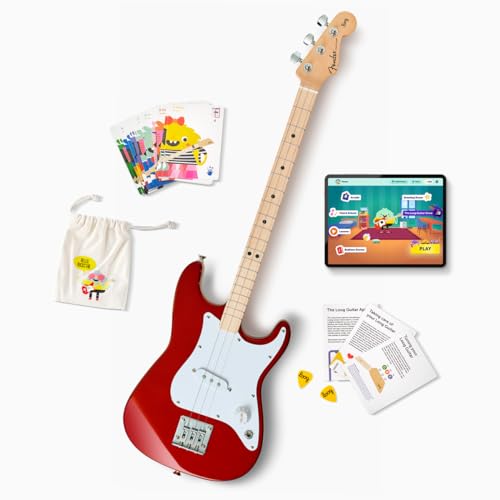
One Fender Loog Stratocaster 3-String right-handed electric guitar – a perfect beginner guitar for kids
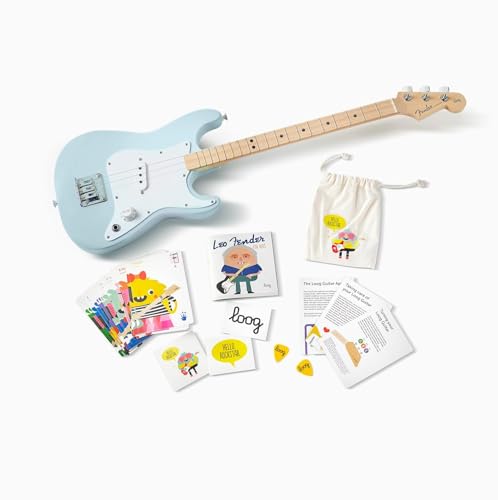
One Fender Loog Stratocaster 3-String right-handed electric guitar – a perfect beginner guitar for kids
Frequently Asked Questions
What Is the Difference Between Rhythm and Harmony and Melody?
Rhythm encompasses patterns, tempo variations, and beat importance, while harmony involves structure, enhancing melody composition. Together, they define musical genres through dynamics expression and various scale types, influencing effective songwriting techniques across diverse musical experiences.
What Is the Definition of Melody Harmony and Rhythm?
Melody, defined as a sequence of single tones forming recognizable tunes, interacts with harmony—defined as the simultaneous combination of notes—to evoke emotional responses, while rhythm, characterized by patterns and pulse, shapes cultural significance in music.
What Are the Three Elements of Music?
The three elements of music are melody, harmony, and rhythm. Each influences musical composition, sound dynamics, and instrumental arrangement, shaped by cultural influences, genre variation, and auditory perception, ultimately enriching expressive performance and lyrical content.
What Are the 4 Elements of Music?
The four elements of music—melody, harmony, rhythm, and dynamics—intertwine like vibrant sound waves, influencing musical genres and evoking emotional responses through composition techniques and cultural influences, all captured in music notation and performance practice.


