As an Amazon Associate, we earn from qualifying purchases. Some links on this site are affiliate links at no extra cost to you. Our recommendations are based on thorough research and editorial judgment.


The 20-Minute Daily Practice Routine for New Musicians

A daily practice routine of just 20 minutes can make a big difference for new musicians! Start with 5-10 minutes of warm-up exercises like scales, then spend time developing technical skills and learning new songs. Don’t forget to perform in front of family or friends to build confidence! Wrap up with a quick review of what you practiced. Keeping a consistent routine helps track progress and encourages growth. Discover more helpful tips to enhance your musical journey!
Key Takeaways
- Begin your 20-minute daily practice with 5-10 minutes of warm-up exercises, such as scales or arpeggios, to prepare your instrument and mind.
- Spend the next 5 minutes focusing on technical skills, reinforcing techniques learned during lessons to improve dexterity and strength.
- Dedicate 5 minutes to reviewing repertoire, ensuring you maintain passion and enjoyment while solidifying previously learned pieces.
- Use 5 minutes to set personal goals and track your progress, helping you stay organized and identify areas needing improvement.
- Conclude by simulating performance scenarios or recording your session, building confidence and applying your skills in a practical context.
The Importance of Daily Practice
When musicians commit to a daily practice routine, they set themselves up for success and steady improvement! Daily practice is essential, with a minimum of 20 minutes recommended. This short, consistent effort is far better than sporadic long sessions. By practicing daily, musicians reinforce the skills learned during lessons, which helps them progress faster. It’s also a fantastic way to prevent burnout! Engaging in various practice activities keeps sessions fun and well-rounded. Plus, committing to daily practice fosters discipline, making it easier for musicians to set and achieve personal goals over time. So, even just a little daily practice can lead to big results, helping musicians grow and shine! Additionally, daily practice can support emotional growth while cultivating creativity through musical exploration. Keep playing and enjoy the journey!
Elements of a Well-Balanced Practice Routine
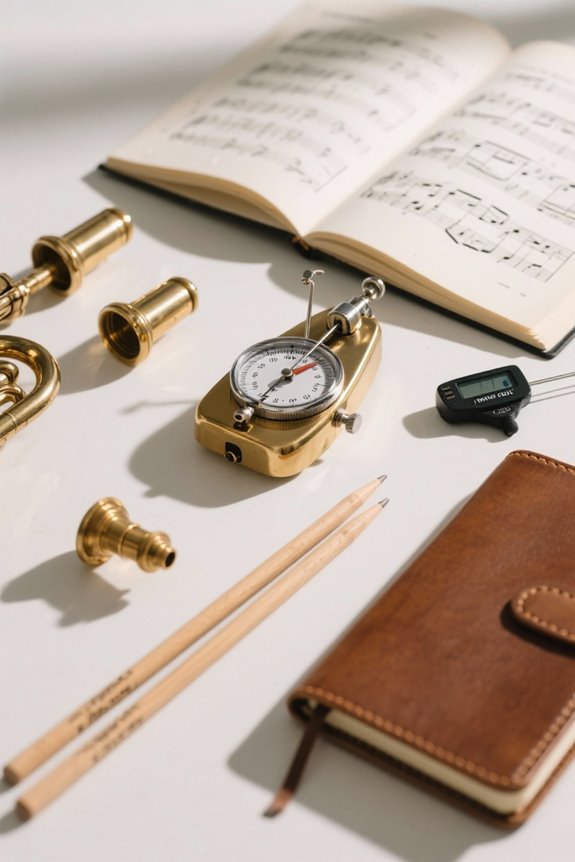
Daily practice is important, but it can be even more effective when guided by a well-balanced routine! A solid practice routine should include several elements to keep it engaging and productive. First, incorporate warm-up exercises to get comfortable with your instrument. Next, focus on developing technical skills, like scales or chords, to strengthen your playing. Additionally, allocate time for repertoire review; playing pieces you love will keep your passion alive! It’s crucial to stay organized, tracking your progress and identifying areas for improvement. Finally, blend various aspects of musicianship—like technique, theory, and performance—to enhance your overall skill. By addressing these elements, musicians can create a fulfilling practice routine that fosters growth and enjoyment! Remember to invest in quality tools, like beginner acoustic packages, as they can include essential accessories that support your practice journey.
Warm-Up Exercises
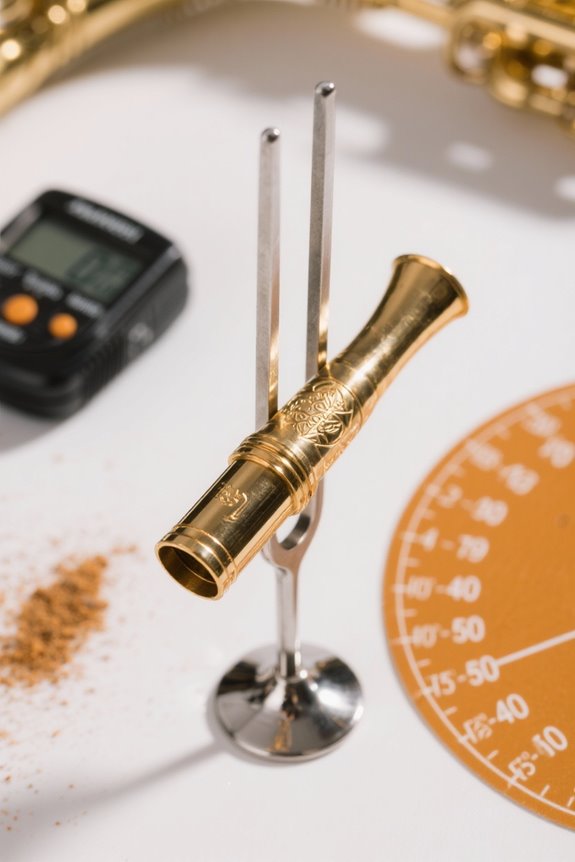
Starting a practice session on the right note is essential for new musicians! Warm-up exercises are the perfect way to begin. These can include scales or arpeggios tailored to singing or playing an instrument, ensuring maximum effectiveness. Spending just 5-10 minutes on these exercises helps ease fingers or voice into the routine. It’s also a great opportunity to incorporate techniques learned during lessons, reinforcing foundational skills. Regular warm-ups are beneficial because they prepare both the muscles and mind for practice while helping to prevent injuries. Additionally, including progressive exercises in your warm-up can enhance overall aural skills and boost your confidence. Remember, starting strong sets a positive tone for your entire session. Make warm-up exercises a consistent part of your daily routine, and watch your confidence and performance improve!
Recommended Products


Technique Development
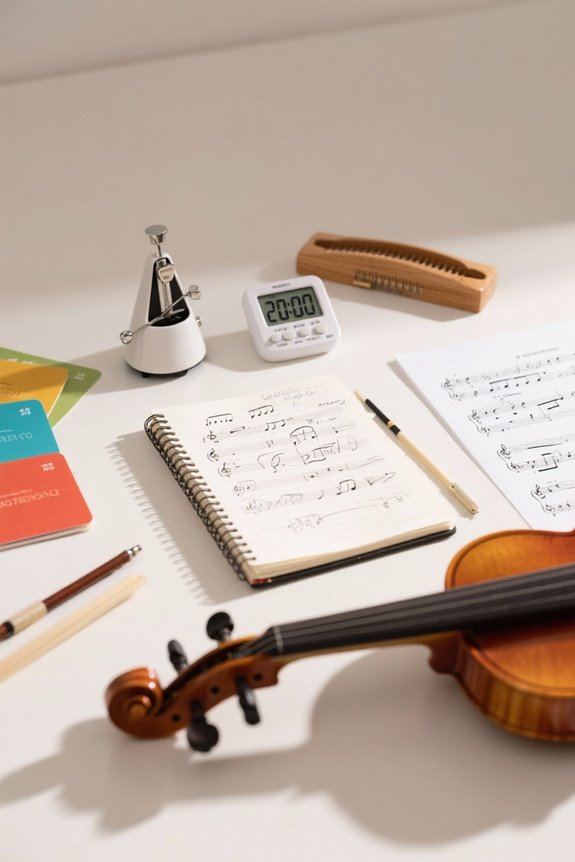
As musicians commence on their journey, developing strong technical skills is essential for growth and confidence! To enhance technique, they should dedicate at least 5-10 minutes of their daily practice time to exercises focusing on finger speed and precision. Scale exercises and arpeggios can challenge dexterity, so incorporating those is important. Setting personal goals during this practice session helps keep one motivated and purposeful. It’s also beneficial to mix up techniques, such as practicing with and without a pick, to engage different muscle groups. Regularly evaluating technique through targeted exercises allows musicians to identify areas needing improvement and adapt their practice time accordingly. Remember, consistent efforts yield significant progress over time! Additionally, connecting with the right storage solution for your instruments can help keep them in optimal condition while you practice.
Recommended Products

Used Book in Good Condition


- PULSE — Finally a metronome you'll love using. Designed for all musicians.
Learning New Material
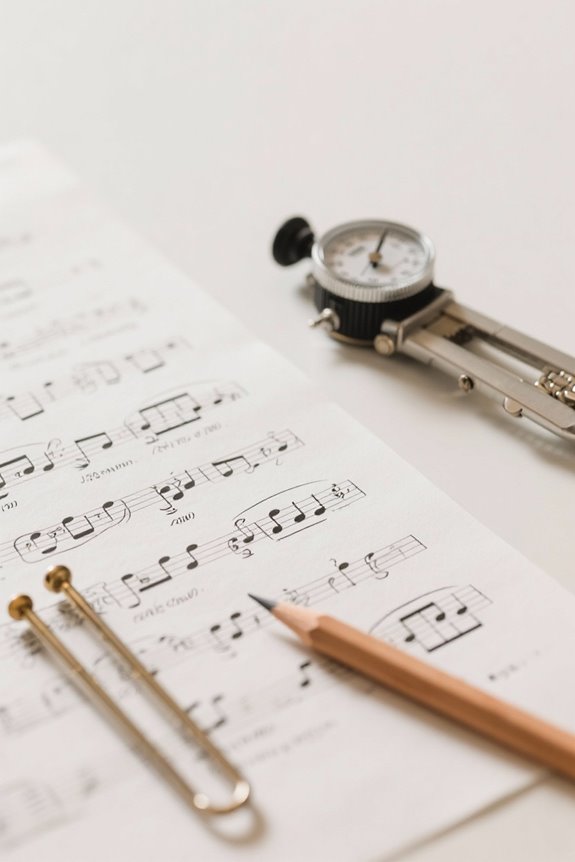
How can a musician make learning new material both enjoyable and effective? First, dedicate part of your 20-minute practice to this goal. Start by listening to recordings of the piece to understand its context and emotions. Break the selected material down into manageable sections, tackling one at a time. Incorporate slow practice techniques, gradually increasing your tempo for precision in notes and rhythms. Additionally, connect new material with techniques you’ve learned before; this reinforces your foundational skills! Setting specific goals for each practice session, like mastering a tricky section or achieving a certain accuracy level, can help track your progress. Remember, practice makes perfect, and each session brings you closer to your musical dreams! A strong focus on sound quality and reed choice can elevate your overall performance and enjoyment of the instrument.
Recommended Products
![Old-Time Fiddle for the Complete Ignoramus (Book & CD set) [Paperback] [2005] (Author) Wayne Erbsen](https://m.media-amazon.com/images/I/61bxLu3t3ML._SL500_.jpg)

WORKS WITH YOUR PHONE OR TABLET – NOT A STANDALONE PIANO: PianoProdigy connects wirelessly to your iOS or Android device via Bluetooth 5.0. Sound plays through your phone speaker, headphones, or any connected speaker. There is no built-in speaker by design — this keeps the keyboard ultra-light and portable at just 1 lb. Download the free POP Piano app to start playing in minutes.

Performance Practice
While it might seem intimidating, incorporating performance practice into a musician’s routine can greatly boost confidence and stage presence. Dedicating one session each week to simulate a live show helps musicians face their fears! Engaging in regular performances, either privately or in front of an audience, allows for applying learned technical skills. This also provides important feedback to improve further. Practicing in front of friends and family can ease performance anxiety, helping handle unexpected situations. Additionally, recording practice sessions offers valuable insights into timing and expression. Collaborating with fellow musicians enhances understanding of musical dynamics and builds a supportive community. So, make performance practice a fun part of your routine—it truly helps shape a stronger performer!
Cool Down Strategies
Cooling down after a practice session can greatly benefit budding musicians! This essential step helps relax muscles, prevents injury, and prepares the mind for reflection. Spend 5-10 minutes playing slow, soothing melodies or simple scales to gradually decrease your intensity. Try incorporating breathing techniques, such as deep inhalations and slow exhalations, to release tension and promote relaxation. Additionally, don’t skip brief stretches for your hands, arms, and shoulders. Not only do these enhance flexibility, but they also reduce muscle fatigue! Finally, take a moment during your cool down to jot down key takeaways. Reflecting on your achievements reinforces what you’ve learned and keeps motivation levels high—so enjoy this crucial part of your routine! Moreover, consider using a durable drumstick bag to protect your gear and keep it organized after practice.
Review and Reflection
After a satisfying practice session, taking time for review and reflection is a great way to solidify what has been learned. Musicians should spend a few minutes considering what skills were mastered and identifying areas for improvement. Keeping a practice journal can be a helpful tool, allowing musicians to track their progress, noting achievements and challenges faced along the way. This makes the review and reflection process even more rewarding! Additionally, regularly evaluating one’s performance against initial goals boosts motivation and shines light on the next steps in skill development. Engaging in group discussions or peer reviews can offer valuable insights, making the review process richer while fostering a sense of community. Taking these steps can enhance growth and enjoyment! Furthermore, using apps that provide progress tracking can significantly assist in monitoring development and maintaining motivation.
Making the Most of Your Music Lessons
How can new musicians truly maximize their music lessons? First, attending private lessons provides an essential foundation for learning essential skills and exploring new material. To reinforce these lessons, it’s important to practice every day, dedicating at least 20 minutes to techniques, repertoire study, and warm-up exercises. This structured routine boosts skill retention and makes lessons more effective! Additionally, participating in student showcases offers opportunities to build confidence and gain real-world experience. Establishing a consistent practice habit with accountability, such as a practice buddy or setting goals, can greatly enhance progress. Consider using a guitar chord chart during practice sessions to reinforce chord knowledge. Remember, every moment spent practicing makes a difference in your journey as a musician! Stay motivated and enjoy the learning process!
Frequently Asked Questions
What Is the 80/20 Rule for Piano Practice?
The 80/20 rule for piano practice advocates for efficient learning by focusing on the most beneficial techniques and pieces. By prioritizing these elements, pianists can achieve significant progress with less time commitment, enhancing overall skill development.
How Many Hours a Day Did Steve Vai Practice?
Steve Vai practiced between 10 to 15 hours a day in his early years, showcasing Vai’s dedication to mastering guitar. His focused practice routines emphasized quality over quantity, greatly enhancing his technical proficiency and creative expression.
How Many Hours a Day Should a Beginner Practice Guitar?
Research indicates that beginners should practice guitar at least 20 minutes daily. Practice frequency matters; consistent, focused sessions effectively build skills, with gradual increases in time helping to avoid burnout and enhance musicianship over time.
How Many Hours a Day Should a Musician Practice?
Musicians should practice consistently, ideally aiming for 1 to 2 hours a day, depending on their goals and skill level. Short, focused sessions are often more effective than longer, sporadic practice, enhancing learning and retention.


