As an Amazon Associate, we earn from qualifying purchases. Some links on this site are affiliate links at no extra cost to you. Our recommendations are based on thorough research and editorial judgment.


How to Clean and Maintain Your Instrument: A Beginner’s Guide

Cleaning and maintaining your instrument is key to keeping it in great shape! Start by washing your hands before playing, and always brush your teeth if you can. Use a soft cloth after each session to wipe off moisture and dirt. Keep your instrument in its case when not in use and avoid extreme temperatures. Regularly check with a teacher for proper care and maintenance tips. Stick around to discover more helpful strategies for your instrument’s upkeep!
Key Takeaways
- Clean your instrument with a soft cloth after each use to remove moisture and dirt, promoting longevity.
- Store your instrument in its case when not in use to protect it from environmental damage and dust.
- Regularly change strings on string instruments every 6-12 months to maintain optimal sound quality.
- Consult your instructor for specific cleaning techniques tailored to your instrument’s needs.
- Schedule professional servicing at least once a year to ensure optimal performance and condition.
Essential Hygiene Tips for Musicians
Maintaining good hygiene is essential for any musician looking to keep their instrument in top condition! To guarantee your instrument stays clean, begin by always brushing your teeth before playing. This simple act helps prevent food particles from harming the finish. If you can’t brush, rinsing your mouth with water will also work. Don’t forget to wash your hands before playing; this keeps sticky residues away from your instrument. Regularly using a cleaning cloth will help maintain its shine and playability. In fact, using high-quality microfiber cleaning cloths can significantly enhance the visual appeal of your instrument. To further protect your instrument, store it in an appropriate instrument case when not in use. By following these hygiene tips and taking care of your instrument, you can enjoy making music for a long time!
Proper Oral Care for Instrument Players

Proper oral care plays a significant role in the lives of instrument players! To maintain your instrument’s health, it’s essential to regularly brush your teeth before playing. This practice removes food particles and sugars that could cause harm. If brushing isn’t an option, rinsing with water is a helpful alternative! Players should avoid using removable orthodontic retainers or candy while playing, as these can lead to choking hazards. For those with braces, consulting an orthodontist about safe playing practices is wise. Applying orthodontic wax can ease any irritation caused by braces while playing wind instruments, ensuring comfort. With these simple steps, instrument players can enjoy their practice and performance while keeping both their teeth and their instruments in great condition! Additionally, maintaining regular cleaning of your instrument with saxophone cleaning kits can significantly enhance its longevity and performance.
Handling and Storing Your Instrument’s Case
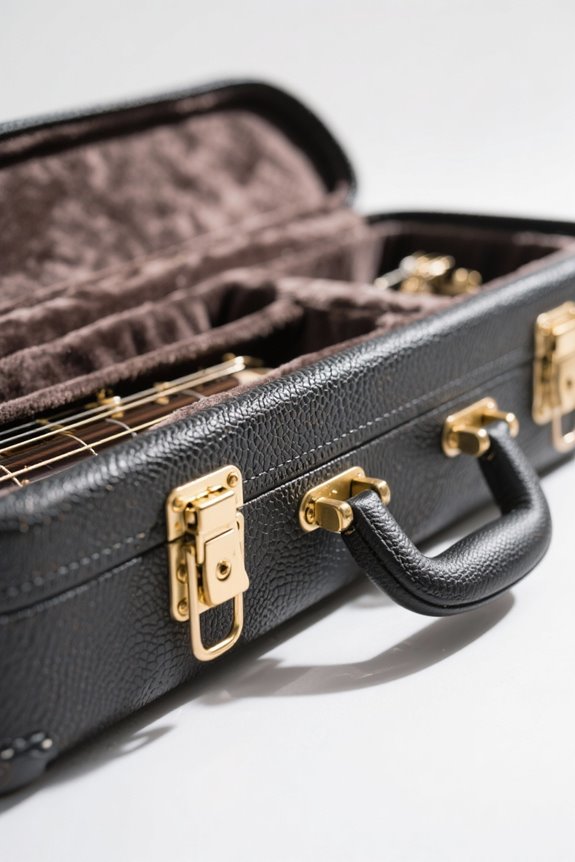
Taking care of an instrument doesn’t stop at personal hygiene; how an instrument is handled and stored is just as important! When not in use, always store your instrument in its case. This protects it from physical damage, dust, and environmental factors. Avoid leaving it in a vehicle where extreme temperatures can cause irreversible harm. When opening the case, do so carefully to prevent parts from falling out. Use flat, stable surfaces when removing your instrument to minimize drops. To prevent moisture and maintain ideal humidity levels, keep the case securely closed and locked. Ascertain that all clips and bands are fastened during transport. Additionally, using cases designed for resistant materials can provide extra protection against wear and tear. These simple steps can help keep your instrument safe and sound!
Best Practices for Handling Your Instrument

Instruments require careful handling to guarantee their longevity and performance. First and foremost, always handle your instrument gently. Use both hands when lifting or setting it down—this helps avoid accidents. To keep your instrument inside, store it in its case when not in use, protecting it from heat and humidity. Before playing, clean your hands to prevent dirt from staining the instrument. Additionally, place a soft towel or cloth beneath your instrument when resting it on any surface, which helps prevent scratches. Investing in an instrument stand is also smart; it keeps your instrument safe during breaks. Following these best practices makes certain that your prized possession stays in great condition for years to come! Regular maintenance with essential maintenance tools also ensures optimal performance and longevity.
Basic Instrument Care and Maintenance Routines

While it might seem easy to forget about maintenance after enjoying a great practice session, establishing a simple routine is vital for keeping any instrument in top shape! Start by using a soft cloth to clean your instrument after each use, wiping away moisture and dirt. This helps maintain its appearance and playability. When you’re not playing, store your instrument in its case to protect it from extreme temperatures and humidity. For string instruments, remember to change your strings every 6-12 months to keep the sound quality sharp! Consult your instructor for specific cleaning techniques, and don’t forget to schedule professional servicing at least once a year. Regular care guarantees your instrument stays beautiful and functional for years to come! Additionally, consider investing in a high-quality cello care kit to further enhance your maintenance routine and keep your instrument in optimal condition.
What to Do If Something Breaks
Despite the best maintenance routines, accidents can happen—strings might break, or an instrument might take a tumble. If a string on a string instrument breaks, visit a nearby music store for a replacement and fitting advice. In case of a drop, loosen the pegs and remove the bridge to prevent damage. Keep all components together for easier repair. It’s also wise to monitor your instrument for unusual sounds or changes in performance after a break, as these might suggest the need for a professional inspection. If bow hair breaks, carefully cut the damaged strands with nail clippers instead of pulling. Always inspect your instrument regularly for signs of damage, such as open seams or odd noises, to catch issues early! Regular maintenance of your instrument should also include managing its humidity levels to prevent warping or cracking.
Environmental Considerations for Instrument Care
Creating a safe and stable environment is essential for proper instrument care! For instruments like the double bass, maintaining ideal conditions is vital. Aim for temperatures between 18°C and 25°C (65°F – 75°F) and humidity levels of 40-60%. Avoid storing instruments in vehicles, especially during extreme weather, as this can lead to warping or cracking, which can become permanently damaged.
Also, be sure to acclimatize your instrument before removing it from its case when entering new environments, as sudden temperature shifts can harm wood integrity. While using dehumidifiers is helpful, overuse can dry out wooden instruments, causing cracks. Regularly monitor your storage area, as small changes can greatly affect your instrument’s condition over time! Additionally, consider implementing humidity control solutions such as Boveda Music packs to help maintain stable moisture levels.
Frequently Asked Questions
What Is the Top 1 Hardest Instrument to Learn?
Violin positions perplex many, establishing it as the hardest instrument to learn. Unlike familiar guitar techniques and piano scales, mastering its bowing and pitch presents challenges, overshadowing simpler endeavors like flute maintenance or drum rhythms.
How Do You Clean Your Instrument?
To clean an instrument, one should regularly choose appropriate cleaners and cleaning tools based on instrument materials. Daily maintenance includes wiping surfaces, while cleaning frequency varies by instrument type, ensuring longevity and ideal performance.
Is Dawn Dish Soap Safe for Brass Instruments?
Dawn dishwashing soap is generally safe for brass instruments when following cleaning recommendations. Proper dilution and thorough rinsing are essential. Regular maintenance tips suggest using safe alternatives to prolong the instrument’s life while avoiding tarnishing.
Is 40 Too Old to Learn an Instrument?
At 40, many believe learning an instrument is absurdly late; however, adult beginners often harness superior practice motivation, embracing musical benefits while effortlessly selecting instruments that inspire their newfound passion, defying age-related limitations.


