As an Amazon Associate, we earn from qualifying purchases. Some links on this site are affiliate links at no extra cost to you. Our recommendations are based on thorough research and editorial judgment.


Understanding Guitar Strings: Types, Gauges, and When to Change Them

Guitar strings come in two main types: acoustic and electric. Acoustic strings often use materials like phosphor bronze for warmth, while electric strings may use nickel for a balanced tone. The gauge, or thickness of the strings, also affects playability and sound. Lighter strings are easier to play, making them great for beginners, while heavier strings offer a richer sound for genres like rock. If strings sound dull or rust is visible, it’s time to change! Learn more about this exciting topic!
Key Takeaways
- Guitar strings are primarily categorized into acoustic and electric types, each with distinct materials affecting sound quality.
- String gauge, ranging from extra light to heavy, significantly influences playability and tone, with lighter strings ideal for beginners.
- Heavier strings provide enhanced volume and tone for genres like rock and metal, but may require guitar setup adjustments.
- Watch for signs like dull sound, frequent tuning issues, and visible corrosion to determine when to replace strings.
- Regularly changing strings, ideally every 1-2 weeks with frequent play, maintains optimal sound quality and performance.
Types of Guitar Strings
When it comes to choosing guitar strings, players face a delightful array of options! There are two main types: acoustic strings and electric guitar strings. For acoustic guitars, players often choose materials like phosphor bronze for a warm sound or 80/20 bronze for a brighter tone. Electric guitar strings typically use Nickel Wound for a balanced feel or pure nickel for warmth. Each string affects playability based on thickness and gauge. Thicker strings can enhance resonance, while lighter gauges allow for easier fretting. The choice of string type and gauge is essential, influencing everything from your tone to how the guitar responds to your playing style. Additionally, keeping an eye on changing strings regularly can help maintain your guitar’s best sound! Don’t forget, changing strings regularly can help maintain your guitar’s best sound!
Recommended Products

Acoustic-electric Guitar with Koa Top

CARBON FIBER and DURABLE: Take your guitar with you, whether it’s camping, hiking or gigging with this full-sized, lightweight traveler guitar made out of durable carbon fiber, a composite material that will not warp or crack over time unlike wood instruments. Carbon fiber is tough, resonant and resistant to temperature and humidity changes.

Understanding String Gauge
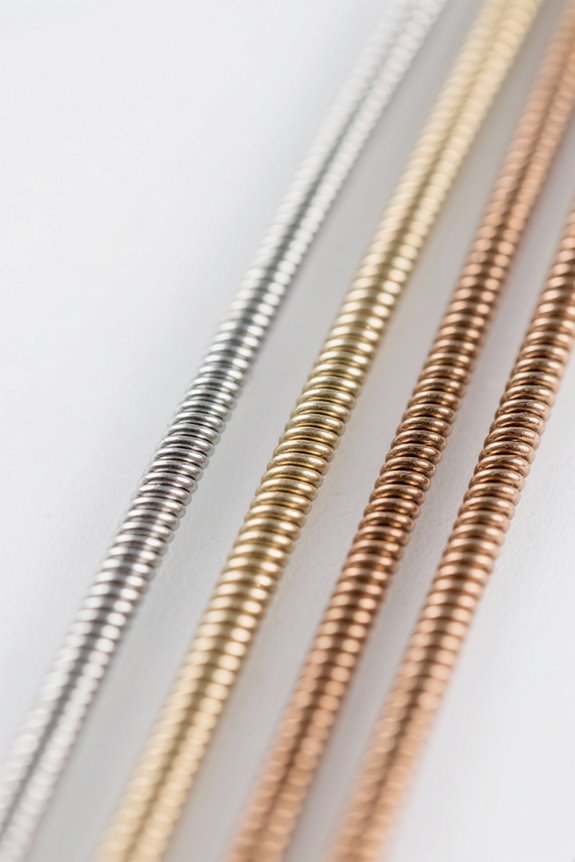
Understanding string gauge is essential for players who want to enhance their guitar experience. String gauge refers to the thickness of guitar strings, which can greatly impact playability, tone, and tension. Guitar strings are categorized as extra light, light, medium, or heavy. For example, light strings, like 9s, are easier to play and ideal for genres like folk, while heavier strings, such as 12s, provide a richer sound, fitting styles like rock. Different playing styles benefit from specific gauges, so players should choose based on their musical preferences! Remember, switching to heavier strings might require a guitar setup, including truss rod adjustments, to handle the added tension. Finding the right string gauge is key to crafting your unique sound! Additionally, experimenting with gauge variations can help players discover their ideal fit for comfort and playing style.
The Importance of String Gauge
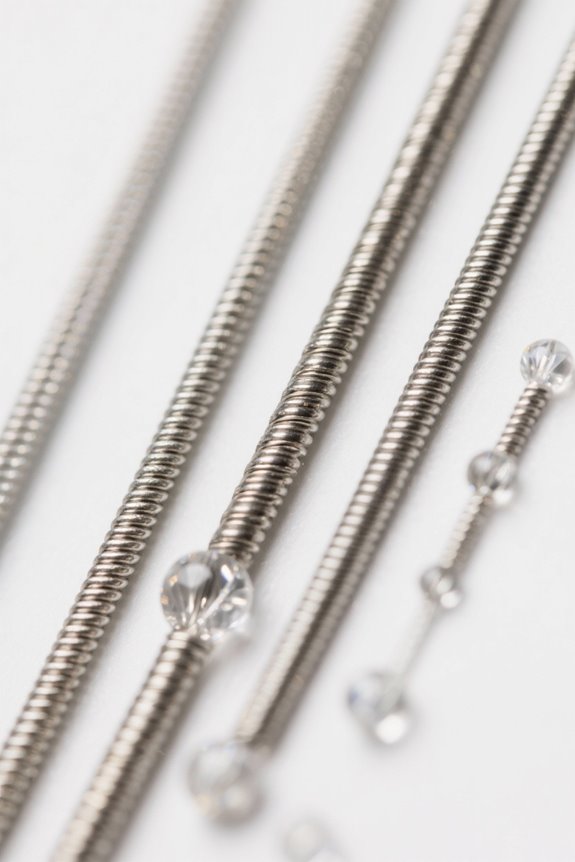
Guitar strings are more than just wires; they are key players in shaping a musician’s sound! The string gauge, or thickness, greatly influences playability and tone. Lighter strings, typically between 0.008 to 0.009 inches, are easier for beginners and suit genres like pop. Medium strings, around 0.010 to 0.046 inches, offer a balanced tone that’s versatile and full. Heavier strings, starting at 0.011 inches, produce more tension, resulting in greater volume and sustain, perfect for metal. When changing strings, it’s crucial to reflect on how the gauge affects your guitar setup. A heavier gauge may lead to fret buzz or require adjustments to action height. Additionally, the impact of string gauge can influence the tonal qualities, with different materials and gauges shaping the overall sound. Finding the right gauge increases comfort, enjoyment, and sound quality!
Choosing the Right String Gauge
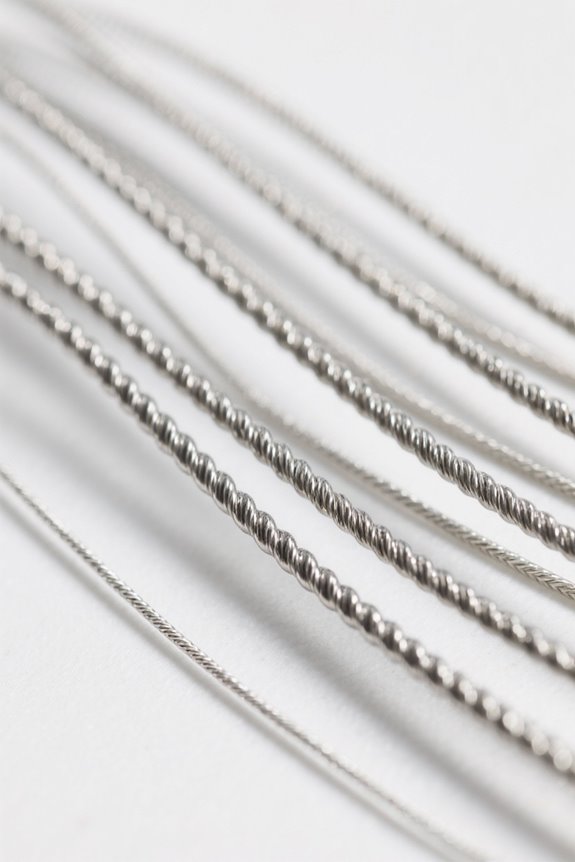
How can musicians choose the best string gauge for their playing style? Selecting the right strings depends on factors like personal preference and music genre. Beginners often start with lighter strings, such as 9s or 10s, which are easier to play and require less finger strength. For rock and metal, heavier gauges provide richer tones and increased volume. However, players should keep in mind that changing string gauge can affect sound quality and playability, sometimes requiring adjustments to the guitar’s setup. It’s crucial to experiment with different gauge options to find the perfect balance that fits your style. Remember, what feels good for one player may not work for another, so keep testing until you find your ideal sound!
Recommended Products

Lightweight - Less than 5lb! Take your Deering Gooddtime banjo with you anywhere! Camping, festivals, the beach, on stage! The Deering Goodtime banjo is extremely durable, plays great, and sounds great!

Solid German spruce top gives you clean articulation and a crisp, bright tone

[PROFESSIONAL SET UP] This dreadnought acoustic guitar is set up by our experienced luthiers in the USA. Attention is given to finish, frets, truss rods, and saddle, and the action has been adjusted for optimum playability across all strings.
Signs It’s Time to Change Your Strings
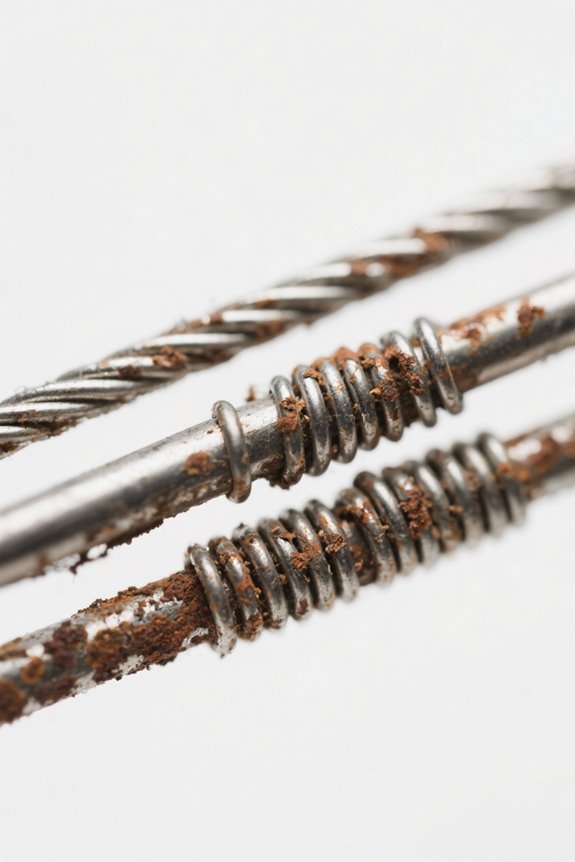
When should musicians reflect on changing their strings? There are several signs that indicate it’s time to replace them. If the strings sound dull, lacking brightness, or vibrancy, that’s a clear sign they need changing. Frequent tuning issues can also signal wear; if your strings go out of tune quickly, it’s time to think about a swap. Visible corrosion or rust on the strings indicates they’ve passed their peak and need replacement for best performance. Additionally, an increase in fret buzz or difficulty fretting notes can suggest your strings are affecting neck tension. Remember, with regular practice, changing strings every 1-2 weeks or when you notice these signs can keep your sound fresh and enjoyable! Starting with a quality beginner instrument, like the Squier Affinity Series Precision Bass, can enhance your overall experience while learning to play.
Frequency of String Changes
For many guitar players, the frequency of changing strings can vary widely based on individual playing habits and conditions. Regular players often find themselves changing guitar strings every 1-2 weeks to maintain peak tone and playability. If you sweat heavily or play in humid conditions, you might need to change them every few days! Acoustic strings typically last about 3-4 weeks, while electric guitar strings may require changing every few hours of play to keep their brightness. Professional musicians frequently opt for changing strings before each performance to avoid any dull sound. If your strings start to feel rough or sound dull, it’s definitely time for changing strings. Keeping your guitar fresh guarantees a great sound every time you play! Understanding playing habits can provide insights on how frequently to change your strings.
Recommended Products

Advanced DSP algorithm creates a faithful reproduction of your miked sound with most pickups.

150 watts of output power

25-watt Solid State Pedalboard Amplifier Head with 3 Voicings
Popular Guitar String Brands
Guitar strings, the lifeline of any guitarist’s sound, come in numerous brands, each offering something unique. D’Addario is a top choice, known for its versatile electric and acoustic strings, including the popular XL and EJ series. Ernie Ball’s Slinky series, especially the Super Slinky (9-42), balances tone and playability, making it a favorite among rock musicians. Elixir strings stand out for their durability, using a special coating that helps maintain sound over time. For acoustic strings, Martin & Co’s Authentic Acoustic line resonates richly, perfect for folk and bluegrass players. GHS strings, favored for their vintage tones, are ideal for those seeking a warm classic sound. Choosing the right brand enhances your playing experience! Additionally, the material impact on tone can greatly influence the overall sound quality produced by the strings.
Recommended Products

LONG SUSTAIN - This stainless steel electric guitar string set offers a long sustain, and bright, clear sound, making them ideal for lead or backup guitar players.

.029-.118 6-string Nickel-wound Roundwound Electric Bass Set

Frequently Asked Questions
How to Know What Gauge Guitar Strings to Use?
To determine the appropriate string gauge, one must consider string tension, tone preferences, playing style, and finger strength. Additionally, factors like acoustic vs electric, genre considerations, string material, scale length, and capo usage are essential.
What Is C2 G2 D3 A3 E4 G4?
C2, G2, D3, A3, E4, and G4 reflect distinct pitches that affect tuning stability, string tension, and chord voicing techniques, highlighting their characteristics, frequency importance, tone quality, resonance factors, and sound differences for various playing styles.
What Do Different Guitar String Gauges Mean?
Like choosing a paintbrush, different guitar string gauges influence sound projection, tone quality, and playability difference. Heavier strings enhance durability and resonance, while lighter options ease finger strength, reducing fret wear and catering to style preference.
Is a 16 or 17 Gauge String Better?
Choosing between a 16 or 17 gauge string depends on string tension, tone preference, and playability factors. While 16s offer durability and sound projection, 17s favor finger strength and comfort, influencing both acoustic difference and electric usage.


