As an Amazon Associate, we earn from qualifying purchases. Some links on this site are affiliate links at no extra cost to you. Our recommendations are based on thorough research and editorial judgment.


Understanding Humidity Control for Wooden Instruments

Humidity control is essential for wooden instruments, as it helps maintain their sound quality and structure. The ideal humidity range is between 40% and 60%. Too low can cause cracks, while too high may lead to warping. Using hygrometers can help check the humidity levels accurately. For storage, hard-shell cases protect from dust and temperature fluctuations. Adding humidifiers in dry conditions is a smart move! Stay tuned to discover even more tips for caring for your instruments!
Key Takeaways
- Ideal humidity for wooden instruments is between 40% and 60% to prevent warping, cracks, and brittleness.
- Frequent humidity fluctuations can damage instruments and affect sound quality significantly.
- Use hygrometers to monitor humidity levels and ensure accurate moisture control.
- Store instruments in hard-shell cases and clean them before long-term storage for added protection.
- Employ guitar case humidifiers during storage to help maintain stable humidity levels.
Importance of Humidity Control for Musical Instruments
When it comes to musical instruments made of wood, controlling humidity is not just a technical detail; it’s a significant part of their care! Maintaining proper humidity levels is essential for wooden instruments to guarantee their longevity and performance. The ideal relative humidity for most instruments is between 40% and 60%. Fluctuations outside this range can lead to serious issues like warping, brittleness, and cracks in the wood. This affects their sound quality and playability. Regularly monitoring moisture content with calibrated hygrometers can help you control the humidity effectively. With the right humidification devices, players can protect their treasured instruments, keeping them in fantastic shape for years to come—and that’s music to anyone’s ears! Additionally, choosing a humidifier with built-in hygrometers can simplify the monitoring process, ensuring you maintain optimal conditions.
Recommended Products

Intelligent Constant Humidity System:Built-in digital hygrometer and auto humidifier stably maintain 45-60% RH. Prevents wooden guitars and ukuleles from cracking, warping and tone degradation, ideal for collectors in dry or damp climates.

🪕 Designed for Gibson F5 & F-Style Mandolins – Custom-molded to fit most F-style mandolins with universal compatibility for left and right-handed players. Supports standard bridge height and body depth.
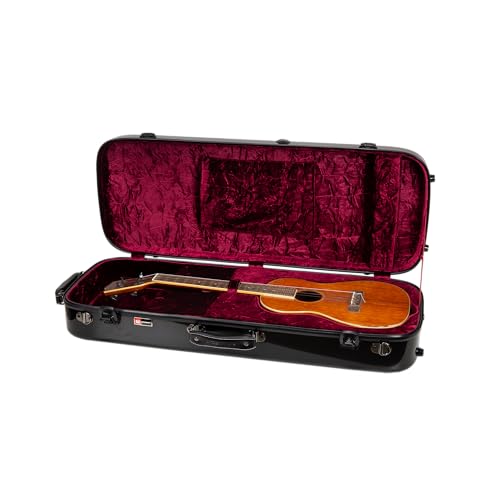
🪕 Designed for 30”–31” Baritone Ukuleles – Rectangular molded shell fits most large-body baritone ukuleles up to 31", ensuring a secure and stable fit for your instrument.
The Ideal Humidity Level for Musical Instruments

For wooden musical instruments, finding the right humidity level can mean the difference between harmony and disaster! The ideal humidity for most wooden musical instruments generally falls between 40% and 60% relative humidity, with guitars particularly thriving in a range of 45% to 55%. Pianos do best around 40%, while some guitars perform well at 35% to 50%. A significant 20% change in humidity can cause dimensional variations, potentially leading to cracking. This makes humidity control essential! Regular monitoring of moisture levels with calibrated hygrometers helps keep instruments safe, preventing structural issues. Utilizing specialized sponges can also assist in consistently maintaining the necessary moisture balance. By maintaining the right humidity, musicians can prolong the life and sound quality of their cherished guitars and pianos—definitely worth the effort!
How to Control Humidity With a Hygrometer

Maintaining the right humidity level is crucial for protecting wooden instruments, and a hygrometer serves as a musician’s best ally in this task. Hygrometers accurately measure humidity, making them essential tools for controlling moisture levels. Ideal humidity levels typically range from 35% to 55%, with certain instruments, like pianos, preferring around 40%. Regular calibration, via methods such as the salt test, guarantees precise readings. It’s wise to check humidity levels at least every six months to avoid harmful fluctuations. Additionally, place hygrometers away from direct airflow from humidifiers or dehumidifiers in the storage room, as this promotes reliable readings. Remember, keeping an eye on humidity helps preserve the life and sound quality of wooden instruments! Using the right humidifier options can also significantly enhance moisture control, protecting your instruments from dryness-induced damage.
Tips to Store Your Musical Instrument and Hygrometer

Storing a musical instrument properly is essential to keeping it in great shape, especially when it comes to humidity control. To protect your instrument, use hard-shell cases that block dust and temperature changes. Before long-term storage, clean your instrument to prevent dirt and oils from harming its finish. A hygrometer is a valuable tool that helps assess room humidity levels; aim for an ideal range of 40%-60% to avoid moisture imbalance. Consider using guitar case humidifiers for extra stability. Remember, never leave your instruments in vehicles or spots with extreme temperatures, as wood absorbs moisture quickly, leading to potential cracking and warping. Regular maintenance helps ensure that your instrument remains safe and resonates beautifully. Safe storage keeps your music alive and thriving!
Recommended Products

TWO-WAY HUMIDITY CONTROL – D’Addario Two-Way Humidification System is the only maintenance-free two-way humidity control system for guitar. It automatically maintains the optimal 45-50% relative humidity level within your instrument case by adding or depleting moisture as necessary.

12-pack of replacement packets for the Planet Waves Humidipak Humidity Control System

Humidifier for Acoustic Instruments
Humidity’s Effect on Wooden Instruments

Humidity can greatly impact the health and sound of wooden instruments. Changes in humidity and temperature can cause wood to shrink or expand notably. For example, a 20% change in humidity may lead to up to 1/8 inch of movement! Low humidity, below 40%, can result in wood cracking and buzzing strings, while high relative humidity, over 65%, may cause warping and playability issues. High moisture in the air can also harm the instrument’s finish and even alter its sound quality. Consequently, maintaining a preferable humidity level of 40-60% is crucial for preserving these musical instruments. By controlling humidity, musicians can guarantee their instruments stay healthy and continue to produce beautiful sound for years to come! Additionally, just as with wooden instruments, the importance of humidity control plays a crucial role in the longevity and performance of MIDI equipment and other electronic devices.
Should You Humidify Your Guitar Room?
While many guitar owners might overlook the significance of a properly humidified environment, understanding its impact can make all the difference in preserving the instrument’s quality. Monitoring humidity levels in your music room is key; aim for an ideal relative humidity of 40% to 55%. Using a hygrometer, check those numbers regularly! When humidity drops below 40%, wooden instruments can suffer from cracking and tonal issues. If you live in a dry area or during winter, consider investing in a room humidifier to maintain stability. Additionally, practice good instrument storage by keeping guitars in cases and away from direct sunlight. Addressing humidity fluctuations now can protect your guitars for years to come! For optimal care, consider using microfiber cloths designed to safely maintain your instrument’s appearance.
Recommended Products

Holds both acoustic and electric guitars

SUPERIOR CIGAR HUMIDIFICATION: Keep your cigar collection perfectly humidified with the Hydra-LG Electronic Cigar Humidifier. Featuring HygroSet adjustable technology, this device automatically regulates humidity in large humidors up to 16 cubic feet, ensuring long-term accuracy.
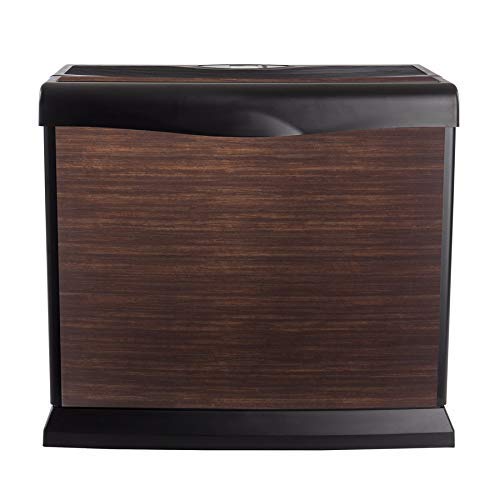
COVERAGE AREA: UP TO 3,700 SQ FT
How to Humidify Your Guitar Room Using a Room Humidifier
Creating a comfortable environment for guitars is essential for their longevity and sound quality! To humidify your guitar room effectively, first, choose a room humidifier suited for the space size, guaranteeing proper moisture distribution. Ideal humidity levels for wood instruments are typically between 40% and 50%. Models with built-in humidistats help maintain this balance automatically. Regularly check humidity levels using a hygrometer to keep them within the ideal range of 35% to 55%. For larger areas, a whole-house humidifier can guarantee consistent humidity control. Using a combination of case humidifiers with your room humidifier also helps prevent warping and cracking, keeping your guitars safe and sounding great! Protect your investments and enjoy the music! Additionally, consider utilizing instrument dehumidifiers designed specifically for wooden instruments to enhance moisture control efforts.
Recommended Products

𝙒𝙝𝙤𝙡𝙚-𝙃𝙤𝙪𝙨𝙚 𝙃𝙮𝙙𝙧𝙖𝙩𝙞𝙤𝙣, 𝙐𝙥 𝙩𝙤 3000 𝙨𝙦. 𝙛𝙩.(At a high setting, raise 30% to 60% humidity in a closed 3000 ft² space for 6.5 hrs.): Featuring a 6-gallon tank and an impressive 1500 ml/h output, it rapidly diffuses moisture to every corner

【Cool/Warm Mist & Customizable Humidity】Whether you need refreshing cool mist during the hot summer or soothing 104℉ warm mist in the winter, our humidifier large room ensures your home stays comfortable and healthy all year. With adjustable humidity levels ranging from 40% to 90%, and featuring low, medium, and high 3 mist modes, this cool and warm mist humidifier is designed to suit your unique needs, ensuring your space always feels just right.

Hard shell arch top wood case, 5-ply wood shell
Frequently Asked Questions
What Should the Humidity Be for Wooden Instruments?
The ideal humidity for wooden instruments should be maintained between 40-60%. Seasonal changes impact humidity effects, necessitating moisture measurement for instrument care, employing preservation methods to counteract wood expansion and drying techniques in varying climates.
Is 12% Moisture in Wood Bad?
Yes, 12% moisture is detrimental to wood, leading to brittleness and increased risk of damage. Proper wood preservation through humidity control is essential for instrument care, minimizing climate effects, preventing damage, and extending lifespan through ideal moisture absorption.
What Is the Best Humidity Level for Wood?
The best humidity level for wood preservation lies within the ideal range of 40% to 60%. Consistent moisture measurement helps mitigate humidity fluctuations due to seasonal changes, ensuring wood stability and minimizing risks associated with wood drying.
What Should My Humidity Control Be At?
Humidity control should ideally be maintained between 40% to 60% for wooden instruments. Regular humidity monitoring and proper maintenance techniques mitigate humidity fluctuations, enhancing instrument longevity and preventing humidities effects like warping and cracking during seasonal changes.


