As an Amazon Associate, we earn from qualifying purchases. Some links on this site are affiliate links at no extra cost to you. Our recommendations are based on thorough research and editorial judgment.


Piano Vs Keyboard: What’s the Difference for Beginners?

When choosing between a piano and a keyboard, beginners should consider a few key differences. Pianos have 88 weighted keys and provide a rich, authentic sound. They’re great for serious players! Keyboards, often smaller with electronic sounds, are more portable and user-friendly. They can include built-in rhythms and fun features for experimentation. For those on a budget, keyboards offer awesome options too! Exploring these differences will help you find the right fit!
Key Takeaways
- Pianos have 88 keys and offer a traditional acoustic sound, ideal for serious musicians seeking rich tonal quality.
- Keyboards typically have fewer keys and include electronic sounds, making them more affordable and portable for casual players.
- Digital pianos simulate acoustic sound while providing a lighter, user-friendly option for beginners without sacrificing key feel.
- Keyboards often feature built-in rhythms and sounds, promoting creativity and exploration for new musicians.
- Maintenance varies; pianos require regular tuning, while keyboards and digital pianos are more low-maintenance and beginner-friendly.
Understanding the Basics: Piano Vs Keyboard
When considering whether to start with a piano or a keyboard, it’s important to understand some key differences. A traditional piano typically has 88 keys that create sound by hammers striking strings, offering a rich acoustic experience. In contrast, a keyboard may have fewer keys and produces sound electronically, which can vary in quality. For beginners, keyboards are often more affordable and portable, making them easier to fit into small spaces. However, if you want an authentic feel, digital pianos simulate acoustic sound with weighted keys that provide valuable playing experience. Additionally, many digital pianos come with lesson modes and diverse sound options, enhancing your practice and exploration. Opting for a piano or keyboard will shape your journey into music, so consider what aligns with your needs and aspirations!
Key Features to Consider
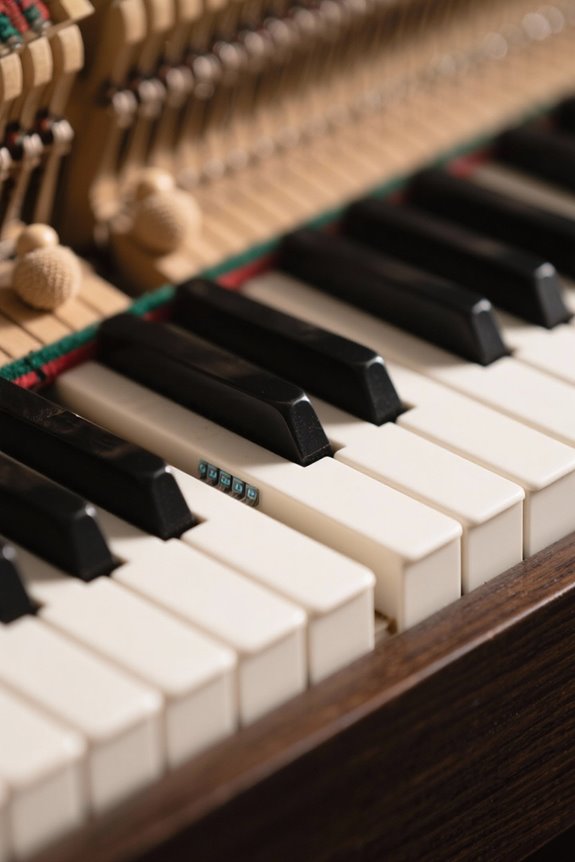
Choosing between a piano and a keyboard can be exciting and overwhelming at the same time! For beginners, there are key features to evaluate. Acoustic pianos typically have 88 keys and offer weighted keys, providing a realistic playing experience. In contrast, many keyboards have fewer keys—often 61 or 76—which could limit musical creativity. Key action mechanisms vary; while digital pianos replicate acoustic sounds closely, keyboards often use synthesized tones. Portability is another factor; keyboards are lightweight and easy to transport, making them ideal for young learners. Don’t forget essential accessories like comfortable benches! Digital pianos sometimes come with built-in metronomes, which are great for structured learning. Assess these elements to choose the best fit for your musical journey! Additionally, consider essential accessories that enhance your playing experience, similar to what beginner guitar kits provide.
Recommended Products

Two super-clear OLED displays for on-stage clarity, seamless transitions when changing programs/sounds, extended Split functionality with optional crossfade, and the addition of the new Song List Mode

88-key Digital Piano with Grade-weighted Hammer-action Wooden Keys
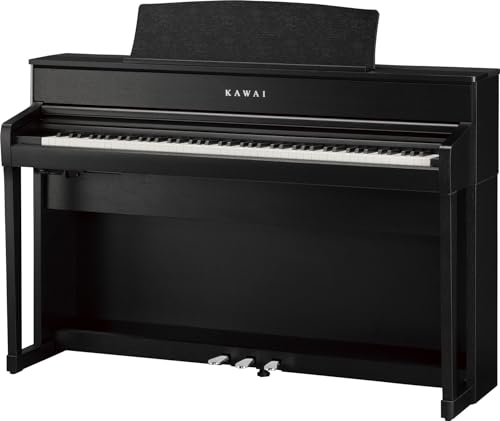
88-key Digital Piano with Grade-weighted Hammer-action Wooden Keys
Advantages of Each Instrument
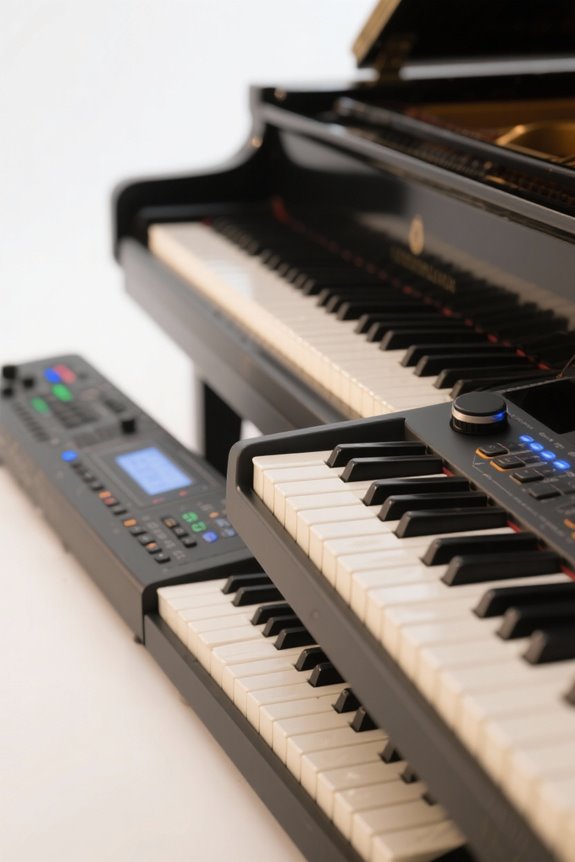
While evaluating key features is important, understanding the advantages of each instrument takes the learning experience a step further. Pianos offer an authentic feel with weighted keys, enhancing dynamic control and musical expression, making them perfect for dedicated learners! On the other hand, keyboards are often more affordable and portable, appealing to beginners who want to explore casually without a long-term commitment. Digital pianos strike a balance, mimicking the acoustic feel while requiring less maintenance and allowing for quieter practice. Keyboards often boast fun features like built-in rhythms and synth sounds, encouraging players to experiment creatively. Each instrument presents unique pathways for playing and learning, ensuring there’s something for everyone in the world of music! Additionally, the weight capacity of a stand is crucial for maintaining stability during play, enhancing the overall experience with either instrument.
Recommended Products

88-key Digital Piano with Grade-weighted Hammer-action Wooden Keys
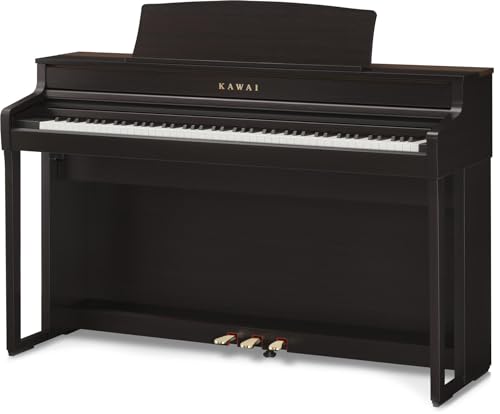
88-key Digital Piano with Grade-weighted Hammer-action Wooden Keys

For high-end piano performance in a portable instrument, there’s no better choice than the Roland FP-90X.
Choosing the Right Fit for You
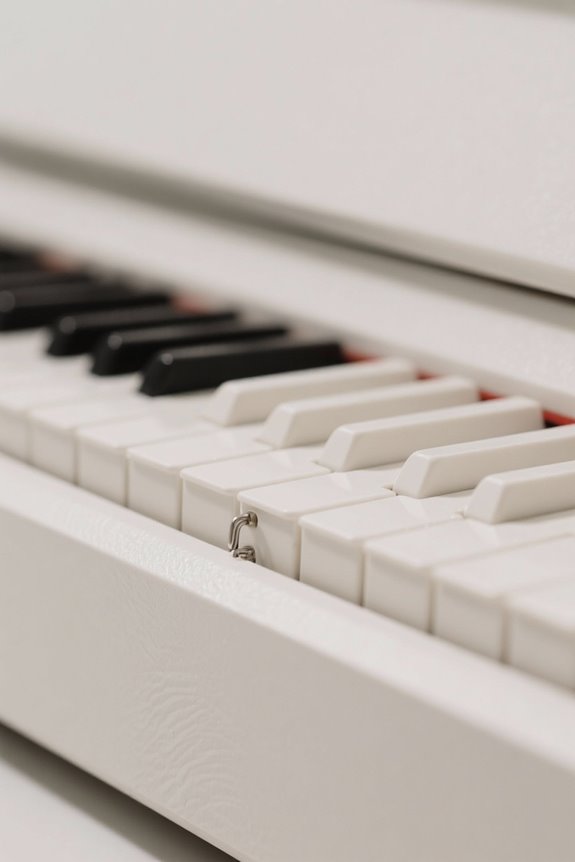
Often, individuals find themselves wondering how to choose the right instrument that fits their musical journey. The piano vs keyboard decision often centers on key action mechanism and sound quality. For those who desire a rich, acoustic sound, an acoustic piano is ideal. However, full-size digital pianos offer similar features in a compact form. Beginners might appreciate the lighter, unweighted keys of entry-level keyboards, especially for portability. With at least 61 keys available in many keyboards, they provide great flexibility for composition, while 88 keys are standard in pianos. Consider your budget, too; entry-level keyboards can be found for under $300, making them an accessible choice. Additionally, you may want to explore high customer ratings which can reflect the reliability and satisfaction of certain models. Ultimately, evaluating these instrument options will lead to choosing the right fit for you!
Recommended Products


88-key Digital Home Piano with Gr Feel Compact Wooden-key Action
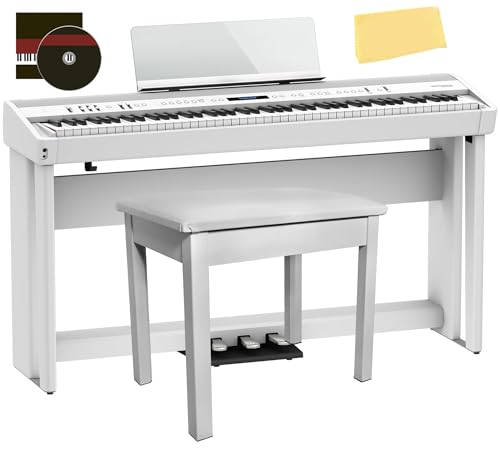
For high-end piano performance in a portable instrument, there’s no better choice than the Roland FP-90X
Maintenance and Longevity
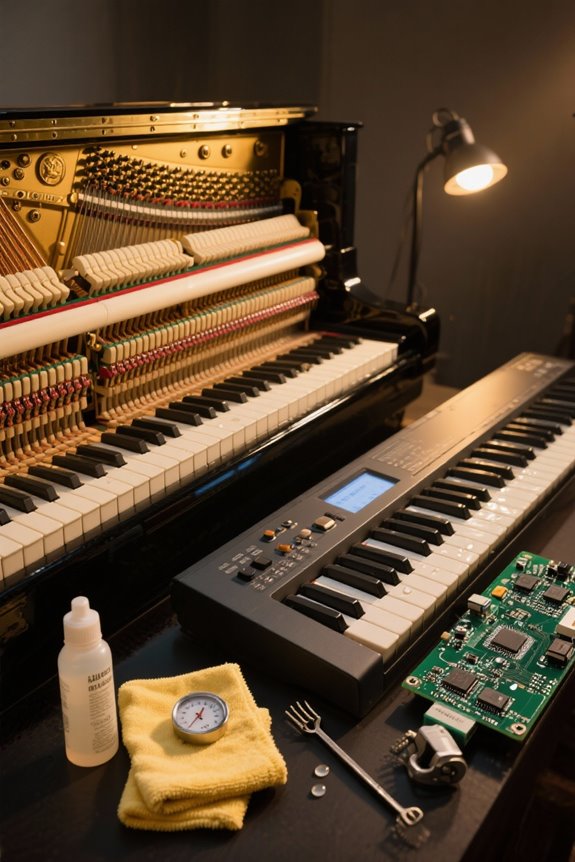
Maintaining a musical instrument is essential for its longevity, and understanding the differences between pianos and keyboards can help beginners make informed choices. Pianos need regular maintenance, like tuning, to keep their beautiful sound. They also require prevention of dampness and periodic restringing, which can involve specialized repairs by technicians. In contrast, a digital keyboard is much more user-friendly for beginners. It mainly needs to be kept clean and dry, allowing for less maintenance overall. While a real acoustic piano can last for hundreds of years, digital keyboards generally have a lifespan of 10 to 30 years. When taking keyboard lessons, it’s important to evaluate quality, as less expensive keyboards may not last as long as higher-end models! Additionally, understanding the importance of humidifiers can aid in maintaining acoustic instruments, ensuring they remain in optimal condition.
Frequently Asked Questions
Is It Better to Learn on Piano or Keyboard?
Choosing between piano and keyboard depends on playing preferences. Pianos provide perfect pitch and touch response, while keyboards offer cost-effective portability and sound variety. Beginners should evaluate learning resources, practice space, and teaching options when deciding.
Is a Keyboard the Same as a Piano for Beginners?
A keyboard is not the same as a piano for beginners; it offers different price ranges, portability options, and sound quality, affecting key action and touch sensitivity, thereby influencing the overall learning experience and musical genres explored.
Which Instrument Is Better for Beginners?
For beginners, choosing between electric and acoustic instruments depends on learning styles, space limitations, budget considerations, musical goals, and future aspirations. Electric offers portability benefits and sound variety, while acoustic enhances touch sensitivity and lesson availability.
Is a Keyboard Just as Good as a Piano?
A student named Alex struggled with touch sensitivity on a keyboard, highlighting that while digital instruments offer portability advantages, they often sacrifice acoustic sound quality and performance capabilities compared to a traditional piano, affecting learning styles and practice accessibility.


