As an Amazon Associate, we earn from qualifying purchases. Some links on this site are affiliate links at no extra cost to you. Our recommendations are based on thorough research and editorial judgment.


5 Best Music Theory Books for Beginners to Kickstart Your Musical Journey

If you’re starting your music journey, check out these five beginner-friendly music theory books! “How to Read Music in 30 Days” guides you through notation basics. “Alfred’s Essentials of Music Theory, Bk 1” is perfect for all ages, while “Hal Leonard Guitar Method” focuses on guitarists. “Music Theory in 30 Days” is great for a quick dive, and Alfred’s Complete Self-Study Course offers in-depth learning. Each book has unique exercises and engaging content to spark your musical growth! You’ll discover more insights ahead!
Key Takeaways
- “How to Read Music in 30 Days” offers a structured, step-by-step program for beginners with numerous exercises and examples.
- “Alfred’s Essentials of Music Theory, Bk 1” includes 25 lessons with engaging resources; ideal for listeners and performers of all ages.
- “Hal Leonard Guitar Method” focuses on guitar players, providing foundational music theory with practical applications through audio tracks.
- “Music Theory in 30 Days” teaches essential concepts quickly, featuring interactive formats and online audio, but may be intensive for some learners.
- “Alfred’s Complete Self-Study Course” presents comprehensive lessons across 75 units, suitable for musicians at all levels seeking deeper theory knowledge.
How to Read Music in 30 Days: Music Theory for Beginners
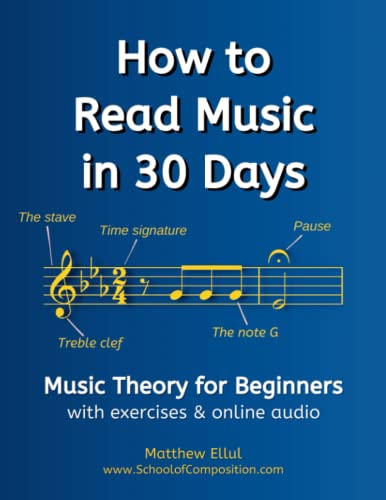

If you’re a beginner musician enthusiastic to plunge into the world of music theory, “How to Read Music in 30 Days: Music Theory for Beginners” is the perfect choice for you! This book offers a practical 30-day program where you’ll learn music notation step-by-step. You’ll find over 150 music examples, 100 exercises, and even 10 listening experiences! By the end, you’ll grasp rhythm and recognize musical notes and symbols. It’s designed for musicians of all backgrounds, including those returning after a break. Remember to follow the lessons in order for the best results, and enjoy your musical journey!
Best For: Beginner musicians of all ages and backgrounds looking to learn music theory in a structured way.
Pros:
- Offers a comprehensive 30-day program with step-by-step lessons and exercises.
- Includes a variety of resources such as music examples, written exercises, and audio clips to enhance learning.
- Tailored for both new learners and those returning to music, making it accessible for a wide audience.
Cons:
- May not be suitable for young children without parental guidance.
- Requires commitment to follow the sequential structure for optimal learning.
- Certain audio clips may need registration to access, potentially limiting some users.
Alfred’s Essentials of Music Theory, Bk 1
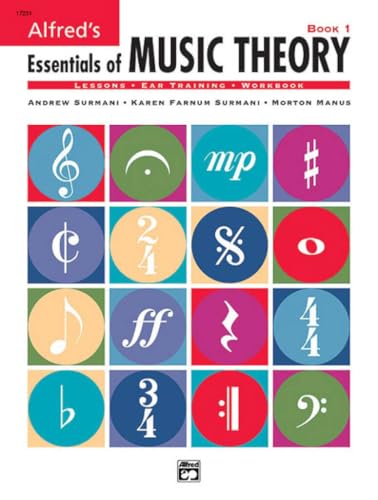
Alfred's Essentials of Music Theory, Bk 1
- An all-in-one music theory course designed for students of any age — whether listeners or performers — who want a solid understanding of the language of music
- Covers foundational concepts including staff, notes, pitches, clefs, time signatures, note values, dynamics, flats, sharps, and whole and half steps across 25 concise...
- Combines reading and writing exercises with ear-training support (CDs sold separately) and unit reviews to reinforce learning and test knowledge retention
Alfred’s Essentials of Music Theory, Bk 1 is perfect for anyone wanting to engage themselves in the world of music! This book is designed for all ages, whether you’re a listener or a performer. With 25 lessons, you’ll cover essential topics like staff notation, note values, and time signatures. Each unit has a knowledge review to test your understanding, plus the option to enhance your skills through ear-training CDs. You can even use fun tools like Bingo games and interactive software. Immerse yourself in this extensive guide and watch your music knowledge grow as you progress!
Best For: Individuals of all ages interested in developing their music theory knowledge, whether as listeners or performers.
Pros:
- Comprehensive coverage of essential music theory topics across 25 lessons.
- Includes various engaging resources such as ear-training CDs and interactive software to enhance learning.
- Structured lessons with knowledge reviews to measure progress and understanding.
Cons:
- Ear-training CDs are sold separately, which may increase overall costs.
- May require additional purchase of supplementary materials like Bingo games and flashcards for optimal engagement.
- Some learners may find the pace of lessons too fast or too slow depending on their prior knowledge.
Hal Leonard Guitar Method by Tom Kolb – Music Theory Guide
Sale


Music Theory - Hal Leonard Guitar Method by Tom Kolb | Step-by-Step Guitar Theory Guide for...
- Song List -
- Chromatic Fantasy
- Come On, Come Over
For anyone starting their guitar journey, the “Hal Leonard Guitar Method” by Tom Kolb is an excellent choice. This book offers a solid foundation in music theory, breaking down complex ideas into easy concepts. You’ll explore scales, chords, and modes, making it perfect for beginners and slightly advanced players. Plus, with online access to 94 audio tracks, you get direct examples to help you practice! Tom Kolb’s experience shines through as he simplifies learning. By the end of this guide, you’ll feel confident tackling your favorite songs. Immerse yourself and let your musical adventure begin!
Best For: This book is best for beginner to intermediate guitar players seeking to understand music theory in a simplified manner.
Pros:
- Clear explanations of complex music theory concepts make it accessible for learners.
- 94 audio tracks provide practical examples and enhance the learning experience.
- Author Tom Kolb’s extensive guitar experience offers valuable insights for effective practice.
Cons:
- Some advanced players might find the content too basic for their needs.
- Online access requires a reliable internet connection to utilize audio tracks.
- The focus on theory may not appeal to those looking for purely practical playing techniques.
Music Theory in 30 Days: Beginner’s Guide to How Music Works
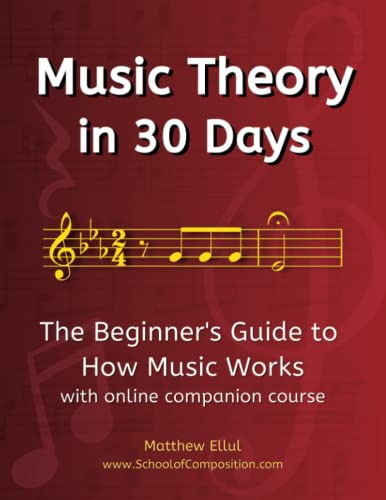
Music Theory in 30 Days: Beginner’s Guide to How Music Works is an excellent choice for anyone enthusiastic to understand the basics of music—all in just one month! Packed with hundreds of exercises and examples, this book makes learning engaging. You’ll immerse yourself in essential concepts like scales, key signatures, and how they shape music. The interactive format, plus online audio files, brings the material to life! You’ll discover how to build various chords and analyze music, enhancing your understanding of tonality. Many students have found success with this approach, and you can too—embrace your musical journey today!
Best For: Individuals eager to learn the fundamentals of music theory in a structured and engaging way.
Pros:
- Interactive format with hundreds of exercises and examples enhances learning engagement.
- Access to online audio files allows for real-time listening challenges and practical application of concepts.
- Step-by-step learning approach has proven effective for numerous students in mastering music theory.
Cons:
- Intensive one-month learning schedule may be overwhelming for some beginners.
- Limited coverage on advanced topics, which may require additional resources for further study.
- Requires consistent practice and discipline to fully benefit from the program.
Alfred’s Essentials of Music Theory: Complete Self-Study Course (Book & 2 CDs)

Alfred's Essentials of Music Theory: A Complete Self-Study Course for All Musicians (Book & 2 CDs)
- Format: Book & 2 CDs
- Category: Textbook - General
- Contributors: By Andrew Surmani, Karen Farnum Surmani, and Morton Manus
Looking to immerse yourself in music theory? Alfred’s Essentials of Music Theory is the perfect starting point! This self-study course features 75 lessons across 18 units, each packed with essential concepts for musicians like you, whether you’re a pianist, guitarist, or songwriter. You’ll find exercises to sharpen your music reading and writing skills. Plus, the included ear training CDs help you develop your listening abilities with practical audio exercises. Don’t worry if you get stuck; answers and resources are conveniently located at the back of the book. Get ready to enhance your musical journey today!
Best For: Musicians of all levels, including pianists, guitarists, vocalists, and composers, looking to deepen their understanding of music theory.
Pros:
- Offers a structured approach with 75 lessons organized into 18 units, making it easy to progress through essential concepts.
- Includes practical exercises and ear training CDs, enhancing both theoretical knowledge and listening skills.
- Provides answers and resources at the back of the book for self-assessment and troubleshooting.
Cons:
- The self-study format may not suit those who prefer interactive or instructor-led learning environments.
- Some learners might find the course material too concise, lacking in-depth exploration of complex topics.
- Requires self-discipline and motivation to engage consistently with the material and complete the exercises.
Factors to Consider When Choosing Music Theory Books for Beginners
When you’re picking a music theory book, think about what works best for you! Consider your learning style, whether you prefer hands-on exercises or audio resources to enhance your understanding. Plus, don’t forget to check if the book suits your level, covers all the key topics, and keeps you engaged with practical activities!
Target Audience Focus
Choosing the right music theory book can really set the stage for your learning journey! First, think about who the book is for. Is it designed for adults returning to music, or for complete beginners? A book that’s suitable for all ages might be especially helpful. Look for materials that offer practical exercises and listening experiences to boost your understanding. These make theory concepts stick better! Also, find a book that fills in any gaps you might have, especially if you’re teaching yourself. Finally, consider the organization and pacing; lessons should build gradually, helping you develop a solid foundation before moving on to more complex topics. This way, you’ll feel confident as you progress!
Learning Style Compatibility
How do you learn best? To choose the right music theory book, consider your preferred learning style! If you like a structured approach, find books with clear, step-by-step guides. Prefer exploration? Look for those encouraging flexibility and creativity. It’s great to have materials that include written exercises, listening activities, and visual aids to keep things interesting. If you learn better through sound, select books with audio access or ear-training exercises to boost your listening skills. Also, think about your prior knowledge—some books offer thorough overviews while others focus on specific topics. Choose what feels right for you, and engage in your musical journey with confidence and excitement! Happy learning!
Content Depth and Breadth
Finding the right music theory book isn’t just about personal preference; it’s also about the content. You should look for books that cover fundamental concepts like staff notation, time signatures, and note values. This guarantees you build a solid foundation. A good mix of exercises, listening challenges, and clear explanations helps deepen your understanding. Make certain the lessons are organized in a progressive structure, so you can absorb the material gradually. Extra components like ear training and assessment tools enhance your skills even further! Also, it’s important that the book is friendly to beginners like you. Aim for resources that cater to different learning styles and include various musical genres. Happy exploring!
Practical Exercises Availability
When you pick a music theory book, practical exercises really can make all the difference! Look for books that offer a variety of exercises, like written tasks, listening activities, and even performance challenges. Hundreds of written exercises help you grasp music notation and theory concepts. Try to find resources that build each lesson on the last, making it easier to develop your skills step by step. Assessments or review sections at the end of each unit can help you track your progress and understand where you need improvement. And if the book has online audio tracks, you’ll have real-time examples that enhance your ear training. These features truly make your learning journey engaging and enjoyable!
Audio Resources Inclusion
Many learners discover that audio resources can really boost their music theory journey! When selecting a music theory book, look for those that include online access to audio tracks. These tracks let you hear demonstrations of scales, chords, and rhythms, making everything more engaging. Listening exercises within the lessons help sharpen your ear training skills, an essential part of musicianship. You’ll find that practicing alongside audio can simplify grasping tricky concepts like timing and articulation. Plus, books that cater to different learning styles can be a real game-changer! If you’re an auditory learner, these resources can make difficult ideas more approachable, helping you dive deeper into the world of music theory with confidence and enthusiasm!
Progress Tracking Features
Having a way to track your progress can really enhance your learning experience with music theory! Look for books that feature knowledge reviews or assessments at the end of each unit. These help you see how well you’ve grasped the topic! It’s also valuable to find resources that include a final test or cumulative assessment to measure your overall understanding. Additionally, incorporate exercises that let you practice what you’ve learned right away. This keeps things fresh and engaging! Make sure the materials provide answers for self-assessment, so you can spot areas needing a little more attention. Finally, opt for structured lesson plans that build on each previous concept. This way, tracking your musical journey feels seamless and rewarding!
Theoretical Framework Clarity
In your journey to learn music theory, clarity in the theoretical framework of a book makes a world of difference! You’ll want a book that presents concepts clearly and builds on them step by step. Look for concise lessons that are easy to follow. Practical exercises are key too—they help reinforce your learning in real-time. Visual aids like diagrams or charts can really help you understand tricky ideas, like music notation or rhythm. Engaging content, such as listening challenges or audio examples, gives context to what you’re learning, making it more relatable. Finally, a structured book often includes reviews or assessments at the end of lessons to check your understanding. Immerse yourself, and enjoy the process!
Format and Structure
When choosing a music theory book for beginners, consider focusing on the format and structure, as they can greatly enhance your learning experience! Look for books that break down lessons into manageable sections and include exercises, letting you progress from basics to more complex concepts. Clear organization helps—you’ll want units or sections with summaries and review questions to reinforce your understanding. A mix of written explanations, diagrams, and practical exercises caters to different learning styles and keeps things interesting! Bonus points if the book offers supplementary resources like audio tracks or ear training to supercharge your learning. Finally, make sure the material starts with fundamental concepts, building up your knowledge step by step. Happy learning!
Frequently Asked Questions
How Do I Know if I’m Ready for Music Theory?
You’re ready for music theory when you’ve got a basic handle on your instrument and can play a few songs! If you find yourself curious about how notes work together or want to understand chords better, it’s a sign you’re prepared. Try learning simple scales or grabbing that tune stuck in your head. If you’re excited to dive deeper, jump in—you’re already on the right track! Let the music lead you!
How Can Music Theory Improve My Playing Skills?
Music theory can seriously boost your playing skills! It helps you understand how notes work together, so you can improvise and create your own music. You’ll learn about chords, scales, and rhythm, which makes playing with others easier. Plus, when you know the rules, you can break them creatively! Ever tried jamming with friends? Theory gives you the tools to shine. So, jump in, and watch your skills soar!
Are These Books Suitable for Self-Taught Musicians?
Absolutely, these books are perfect for self-taught musicians! Think of them as your guiding light through the sometimes murky waters of music theory. You’ll find clear explanations, helpful exercises, and plenty of examples to build your skills. They break down complex concepts into bite-sized pieces, making it easier to grasp. Plus, you can learn at your own pace. Immerse yourself, and you’ll be amazed at how theory transforms your playing! Happy learning!
What Is the Best Way to Practice Music Theory Concepts?
The best way to practice music theory concepts is to use them in real music! Start by analyzing songs you love. Identify chords, scales, and melodies. Then, create your own short pieces using these concepts. Don’t forget to play exercises from your books or apps, too! Regular practice is key, so set aside time each day. Remember, it might seem hard at first, but you’ll see progress, and that’s super exciting!
Can I Learn Music Theory Without Prior Musical Experience?
Absolutely, you can immerse yourself in music theory even if you’ve never played an instrument! Think of it like learning a new language. Start with simple concepts like notes and rhythms. Use online resources, apps, or beginner books to guide you. Try watching video tutorials—they make learning fun! You’ll find that understanding music deepens your appreciation, whether you’re singing along or tapping your feet. So, go ahead and jump in; it’s an exciting journey!


