As an Amazon Associate, we earn from qualifying purchases. Some links on this site are affiliate links at no extra cost to you. Our recommendations are based on thorough research and editorial judgment.


Woodwind Vs Brass: Understanding the Difference

Woodwind and brass instruments have different ways of producing sound. Brass instruments, like trumpets, use lip vibrations, while woodwinds, such as clarinets, rely on reeds or airflow. Materials differ too; brass is often made from metal, while woodwinds can be wood or metal. Playing techniques also vary: brass players adjust pitch with lip tension, whereas woodwinds use finger placement. Curious about how instruments evolved or their maintenance? There’s so much more to explore!
Key Takeaways
- Brass instruments produce sound through lip vibrations and are typically made from metal, offering a bright sound quality.
- Woodwind instruments create sound using reeds or air across openings; they can be made from wood or metal.
- Pitch control in brass instruments relies on altering lip tension and using valves, while woodwinds adjust pitch through finger placements.
- Brass instruments evolved through the introduction of valves in the 19th century, enhancing their versatility compared to keyed brass instruments.
- Maintenance practices differ between the two groups, with specialized care kits available for both brass and woodwind instruments.
Definition and Classification of Instruments
In the fascinating world of music, instruments are usually divided into two main categories: woodwinds and brass. The classification of instruments primarily depends on how they produce sound. Brass instruments are made from metal, and they create sound through lip vibrations. In contrast, woodwind instruments use reeds or the flow of air across openings. You might wonder why some metal instruments, like flutes and saxophones, are still classified as woodwinds. This is because their sound production methods fit that category! The Hornbostel-Sachs system helps musicians clearly distinguish between woodwind and brass. Over the years, keyed brass instruments have mostly given way to modern valve designs. Understanding these basics opens up the wonderful musical world! Moreover, just as regular monitoring is crucial for maintaining the condition of instruments like guitars, it is equally important for woodwinds and brass to ensure optimal sound quality.
Is a Saxophone a Brass Instrument?

How can something made of metal be classified as a woodwind instrument? The saxophone is a fascinating example! While it shares a resemblance with brass instruments, it’s actually categorized as a woodwind. This classification is primarily due to how sound production occurs. A single reed vibrates against the mouthpiece, much like a clarinet, rather than using lip vibration found in brass instruments. This reed setup creates the unique sounds that saxophones are famous for. Additionally, saxophones cover a wide range of pitches, further linking them to the woodwind family. With their presence in jazz and classical music, saxophones have certainly made their mark, showing us that woodwinds can be both versatile and exciting! Moreover, similar to piano dust covers, saxophones also require specific care to maintain their quality and sound production.
Differences in Materials Between Brass and Woodwind Instruments

Brass and woodwind instruments have distinct characteristics that set them apart, especially when it comes to materials. Brass instruments are mainly made from metal, particularly brass, giving them a bright and powerful sound. Some even come in durable plastic, perfect for easy maintenance! In contrast, woodwind instruments often utilize wood, but many are crafted from metal, too. A key feature of woodwinds is their use of reeds made from Arundo Donax grass, essential for producing their unique sound. For beginners, plastic woodwinds like recorders offer an affordable and accessible option. Even though materials vary, it’s the sound production method that ultimately classifies these instruments as brass or woodwind. User reviews and ratings provide insights into the performance of various instruments, enhancing the selection process for musicians. Isn’t that interesting? Explore and discover more about these fascinating instruments!
Recommended Products

Double Bass harmonica (Bass), is mainly used in harmonica orchestra ensembles,the size is bigger than general harmonica.

15-step volume adjustment

This musical instrument combines acoustic and digital technology and modeling
Playing Techniques: Brass Vs Woodwind

While both brass and woodwind instruments offer exciting ways to make music, their playing techniques are quite different. Brass instruments produce sound through the vibration of the player’s lips against a mouthpiece. This allows players to adjust pitch by changing lip tension and airflow. In contrast, woodwind instruments create sound by blowing air through a reed, which vibrates against the mouthpiece. For woodwind players, controlling pitch is all about finger placement on keys or holes. Brass players use valves and slides, requiring greater air pressure, while woodwind musicians generally need less air. Each group has unique embouchure techniques: brass players buzz their lips, while woodwinds form their lips around the reed or mouthpiece—both essential for creating beautiful music! Additionally, using a thumb rest cushion can significantly enhance a woodwind player’s comfort and control during long performances.
Recommended Products

Whether you want to buy a saxophone for yourself or for your friends or others, this saxophone is a product of choice as a result of its high quality and cost effective price

High-quality Material: Yinfente alto saxophone is made of carefully selected brass, which is durable and does not fade. The appearance is hand carved, and high-quality shell buttons make the saxophone even more perfect. The buttons are responsive and easy to operate, ensuring a comfortable playing experience for daily practice and stage performances.
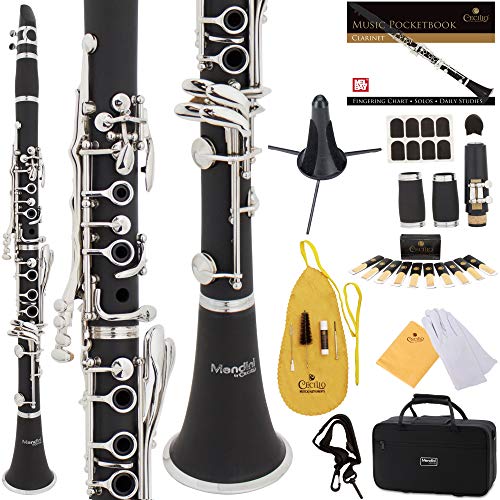
High Quality Material: The clarinet is made of premium ABS material, smooth and durable, with good resonance and stability to make the tone bright and vibration stable. The nickel-plated keys is sturdy and not deformed, good elasticity makes playing comfortable. The bladder pads is tightly connected and resistant to wear and tear, ensuring no loosening or air leakage for a long time use of the clarinet
Understanding Mouthpiece Characteristics
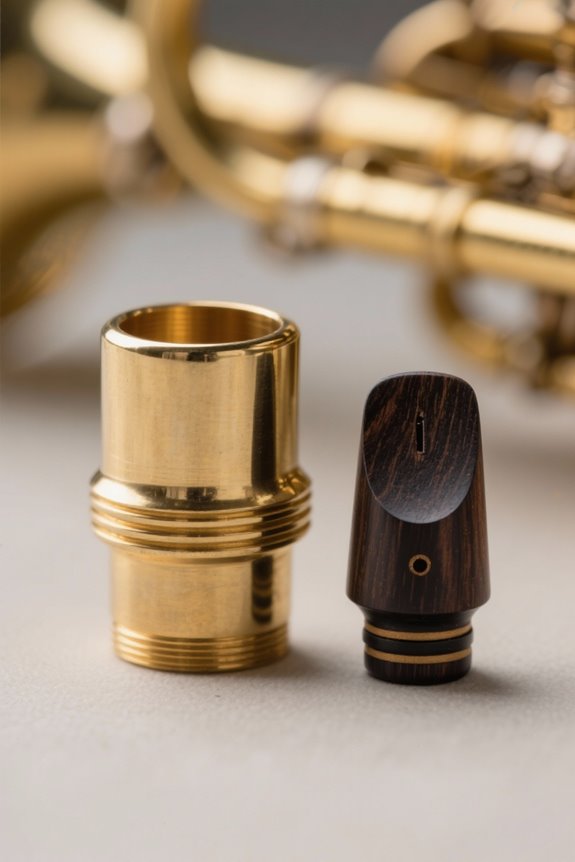
At the heart of sound production in both brass and woodwind instruments lies the mouthpiece, an essential element that shapes the player’s experience. Brass instruments feature a cup-shaped mouthpiece, which helps the lips vibrate to create sound. On the other hand, woodwind instruments have distinct mouthpiece designs. For example, flutes use an embouchure hole, while clarinets and saxophones have mouthpieces with a single reed. The shape and design of each mouthpiece influence sound quality and playing techniques, making brass and woodwind unique. Brass players focus on lip tension, while woodwind players make precise embouchure adjustments for ideal reed vibration. Additionally, understanding the importance of comfortable seating can significantly impact a musician’s performance during long practice sessions. So, understanding these mouthpiece characteristics can enhance your musical journey and sound production!
Pitch Control Techniques in Brass and Woodwind Instruments
Mastering pitch control is a fundamental skill that every musician should embrace! Brass instruments utilize unique pitch control techniques, allowing players to change pitch by altering tubular lengths through valves or slides. In this method, lip tension plays an important role, as musicians adjust their lip tightness to affect pitch. Conversely, woodwind instruments employ reeds to cause air vibrations. Here, the pitch modifies through the opening or closing of finger holes that changes the instrument’s resonant length. Understanding these techniques is essential for musicians of both types of instruments, as they influence tone quality and sound modulation. With practice, players can achieve a more expressive and dynamic performance! Everyone can refine their skills with dedication and enthusiasm! To enhance their performance, musicians can utilize effective reed humidification techniques that help maintain optimal reed health and quality.
Directionality of Sound Production
Sound production in both woodwind and brass instruments reveals fascinating differences that impact how music is experienced. Brass instruments excel in the directionality of sound, projecting it with greater volume directly in front of their bells. This trait makes them perfect for settings like marching bands! On the other hand, woodwind instruments produce a non-directional sound, dispersing it uniformly in all directions. While this creates a balanced experience from different angles, it often requires added amplification in orchestras. Musicians must adjust their techniques based on these differences. For instance, a brass player may focus their sound forward, while a woodwind player needs to guarantee their tone reaches all corners of the audience. Each instrument’s unique qualities shape the musical journey! Additionally, the use of high-quality materials in instrument construction can influence sound production and durability, affecting overall performance.
The Role of Valves and Keys
Understanding how instruments produce sound deepens the appreciation of music. In brass instruments, valves and slides play an important role in directing airflow. This allows players to easily change pitches and create various tones. When a musician presses a valve, they alter the path of the air, greatly affecting sound production. On the other hand, woodwind instruments use keys to control airflow by opening or closing holes along their bodies. This mechanism is typically less demanding on air pressure compared to brass valves. Both systems rely on the player’s control of airflow, which impacts the instrument’s versatility and overall sound quality. Mastering valves and keys is essential for musicians, enhancing their technique and creative expression! Additionally, choosing the right shoulder pad foam can further improve a musician’s comfort and performance while playing.
Historical Considerations in Instrument Development
As musical tastes evolved over centuries, so did the instruments used to create beautiful melodies. Brass instruments gained popularity in the 19th century, thanks to the invention of valves. This advancement allowed musicians to produce sound more reliably and improve quality. Before this, keyed brass instruments like the cornett faced challenges, leading to their limited use. Meanwhile, woodwind instruments saw innovations too, with the incorporation of metal and plastic making them more accessible to beginners. For instance, plastic recorders are a popular option in music classes! Additionally, unique hybrids, such as the tromboon, showcase the continued exploration of mixing features from both brass and woodwind instruments, demonstrating a lively history of musical creativity and craftsmanship! These developments have also influenced the creation of specialized maintenance kits that ensure instruments remain in top shape, such as alto sax care kits.
Resources for Further Learning
When exploring the world of woodwind and brass instruments, finding the right resources can make all the difference in a musician’s journey. Extensive learning guides exist that cover the techniques and care specific to both types of instruments. Articles often focus on maintaining brass and woodwind instruments, offering valuable tips to help prolong their lifespan. Additionally, FAQs address common repair questions, providing essential troubleshooting advice. Subscribing to promotional emails is a great way to access discounts and exclusive learning materials! Don’t forget about the wealth of articles that explore topics like the time it takes to learn various brass instruments and equipment reviews. These resources will support every aspiring musician in their educational journey, including cork grease applications that can enhance the performance of woodwind instruments!
Frequently Asked Questions
What’s the Difference Between Brass and Woodwinds?
The difference between brass and woodwind instruments lies in their material composition and sound production methods. Historically developed, brass instruments use metal and lip vibrations, while woodwinds utilize reeds or air openings, allowing varied instrument classification.
What Are the 4 Categories of Instruments?
Instruments fall into four main categories: string instruments vibrate their strings, percussion instruments create sound through striking, electronic instruments generate tones electronically, while historical classification reflects traditional categories emphasizing distinct sound production methods and cultural significance.
Is Trumpet a Brass or Woodwind?
The trumpet is a brass instrument, distinguished by its unique playing techniques and historical significance. Renowned for famous solos, it requires specific care tips to maintain sound quality and guarantee longevity in performance.
Is a Saxophone a Woodwind or Brass Instrument?
The saxophone is classified as a woodwind instrument, utilizing various reed types for sound production. Its rich history contributes to diverse musical genres, blending elements from both classical and contemporary styles, enhancing its versatile appeal.


