As an Amazon Associate, we earn from qualifying purchases. Some links on this site are affiliate links at no extra cost to you. Our recommendations are based on thorough research and editorial judgment.

Understanding Different Music Learning Apps and Their Benefits

Music learning apps are fantastic tools for anyone enthusiastic to explore music! They make education accessible with fun exercises, real-time feedback, and customizable lessons for all skill levels. Users can track their progress, enjoy engaging games, and participate in a community of fellow learners. These apps offer affordable subscriptions compared to costly private lessons, making music education easier for busy lives. If you’re curious about the specific features and how they can help, there’s more to discover!
Key Takeaways
- Music learning apps provide accessible education, engaging users with interactive lessons that promote practice and skill development across various instruments and genres.
- Real-time feedback from AI helps users improve by analyzing their performance and suggesting personalized adjustments tailored to individual needs and learning styles.
- Many apps feature gamification elements, making practice enjoyable and encouraging friendly competition, which boosts motivation for learners of all ages.
- Subscription models for these apps are often more affordable than traditional private lessons, offering unlimited access to resources for a fraction of the cost.
- Community engagement through forums, support centers, and collaborative resources fosters a sense of belonging and accountability among users on their musical journeys.
The Importance of Music Learning Apps
Why should anyone consider using music learning apps? These tools revolutionize music education by making it accessible to everyone, even those in remote areas or with packed schedules. With interactive tools, users engage in fun exercises and games that encourage consistent practice. Imagine getting real-time feedback from AI while you learn music—this feature helps personalize the experience, so you know how to improve right away! Furthermore, these apps offer customizable lessons that cater to different skill levels, allowing individuals to progress at their own pace. Plus, the affordable subscription model opens the door for more aspiring musicians to immerse themselves. Overall, music learning apps are a fantastic option for anyone enthusiastic to explore their musical talents! Additionally, many courses emphasize structured curriculum to help learners focus on essential skills.
Key Features of Effective Apps

When exploring music learning apps, key features can significantly shape the learning experience and make it more enjoyable. Look for apps that offer interactive lessons, which allow users to engage in fun activities rather than just reading about music theory. Progress tracking is also essential, as it helps learners see their improvement over time, boosting motivation! Additionally, audio recognition technology gives real-time feedback, enabling users to adjust their playing right away. Customizable lessons are another great feature, permitting learners to tailor their experience based on their skill level and preferences. Regular practice with ear training devices can further enhance users’ skills and understanding of music. With these features in mind, users can create a more effective and personalized path to becoming better musicians. Remember, the right app can make learning music exciting and rewarding!
Target Audiences for Music Learning Apps
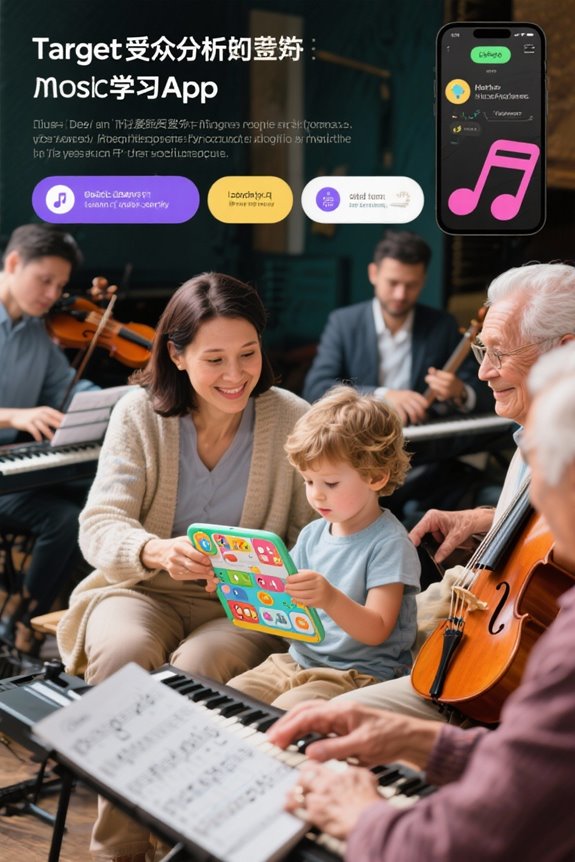
Music learning apps cater to a diverse audience, making music education accessible to everyone! These apps target various users, from children enthusiastic to learn their first instrument, to adults looking to enhance their skills. Popular options like Simply Piano and Yousician attract different age groups and proficiency levels. Many individuals with busy lifestyles appreciate flexible, self-paced lessons offered by apps like Flowkey and Fender Play, allowing students to learn anywhere, anytime! Homeschooling families also benefit, as these apps provide structured resources for educators and students alike. With gamified features, music learning apps engage both kids and adults, making practice enjoyable and effective. Additionally, the integration of music theory concepts helps users understand beyond just playing, ensuring a well-rounded learning experience. Every user, regardless of background, can find the perfect app to help them learn music!
Community Engagement and Support

While diving into the world of music learning apps, users often discover that these platforms not only teach skills, but also foster a sense of community. Many apps encourage community engagement through forums, where users can share experiences, ask for advice, and connect with peers. Support centers within these apps provide an essential resource, helping users address issues and enhance their overall learning experience. Additionally, ongoing educational content found in app blogs keeps learners informed and excited about music education. Some apps allow free account creation, opening the door to shared resources and collaborative learning opportunities. These community features create motivation and accountability, allowing learners to encourage each other’s progress and celebrate achievements together! Moreover, users can benefit from signal integrity to ensure their learning experience remains enriched and free from unwanted noise or disruptions.
Customization and Personalization in Learning

How can personalization transform the way students learn music? By embracing customizable lessons, music learning apps create unique experiences tailored to each student’s needs. For instance, apps like Note Rush allow teachers to design lesson plans that align with individual skill levels! This flexibility helps students engage with their passions, focusing on specific instruments or music genres. Progress tracking features provide valuable feedback, encouraging learners to identify strengths and areas for growth. With gamification elements, learners can enjoy friendly competition, making practice fun and motivating. Personalization aims to empower students, fostering a love for music while enhancing their educational journey. Overall, these tools adapt to diverse learning styles, ensuring that each student can thrive on their musical path! Additionally, incorporating features like detailed product breakdowns can help learners make informed choices about their instruments and accessories.
Overview of Popular Music Learning Platforms
Exploring the world of music learning platforms reveals a variety of exciting tools designed to make learning enjoyable and effective. Simply Piano takes users from beginner to advanced levels, featuring an extensive song library for everyone. Yousician gamifies the experience, offering interactive lessons for multiple instruments that boost engagement. For guitar, bass, and ukulele enthusiasts, Fender Play focuses on popular songs, blending fun with practical skills! Flowkey presents self-paced, interactive piano lessons, empowering users in their learning journeys. Finally, Melodics enhances rhythm and timing with tailored lessons for various instruments, making it ideal for diverse musical education. These platforms not only teach music theory but also provide a thorough insight into the world of music, helping students become confident musicians! Moreover, structured guides for linear learners can effectively complement these platforms by providing additional resources for beginners.
Advantages of Digital Learning Tools
Digital learning tools revolutionize the way people approach music education, making it accessible and enjoyable for everyone! Music apps empower learners from remote areas or those with packed schedules to access high-quality instrumental training. With engaging interactive exercises and gamification features, these digital tools offer a self-paced learning experience tailored to individual needs. Additionally, learners benefit from immediate feedback provided by AI-powered technologies in music apps, helping them refine their skills efficiently. Many platforms also track progress over time, enhancing motivation and commitment to music education. Plus, the affordability of digital subscriptions makes music lessons more accessible to a wider audience, bridging gaps and encouraging creativity. Embracing these tools can transform anyone’s musical journey! Furthermore, progress tracking features in many apps boost motivation, encouraging regular practice and accountability.
Limitations of Music Learning Apps
While music learning apps offer a modern approach to education, it’s important to recognize their limitations as well. Many music learning apps have limited functionality, focusing on specific instruments or genres, which can restrict users. Additionally, accessibility challenges arise, as many apps are designed primarily for iOS devices, leaving Android users without options. While some apps are free, others come with a price tag that might deter budget-conscious learners. Moreover, the lack of advertising means limited financial support for developers, resulting in fewer updates and improvements. Challenges like limited MIDI input options and the need for extra tracking features can also hinder effective use. It’s essential for users to weigh these factors when choosing the right app to suit their needs. Users should also consider the materials and signal quality of audio equipment when integrating music learning experiences.
Enhancing Traditional Teaching With Digital Tools
Music learning apps can transform the way traditional teaching is approached, making lessons not just informative, but also fun! These digital tools bring technology into the classroom, engaging students with interactive features. Apps like Simply Piano and Yousician create personalized learning paths, allowing students to practice at their own pace and tackle tough topics again if needed. Instant feedback through audio recognition helps students improve their skills while freeing up teachers to focus on other important teaching aspects. Additionally, online resources and community forums encourage collaboration among educators, sharing effective strategies to enhance student learning. By fostering a deeper appreciation for music, these apps support diverse learning styles and keep students motivated, creating a more dynamic and inclusive music education experience! Moreover, incorporating beginner bass packages can provide students with valuable hands-on experience with instruments, enhancing their understanding of music theory and performance.
Cost Analysis of Music Learning Apps vs. Private Lessons
When considering the cost of learning music, evaluating the options available can be quite eye-opening! Music learning apps typically offer subscription plans for under $20 a month, making them much cheaper than private lessons, which often range from $30 to $100 per hour. Many apps provide free trials or lower-priced options, perfect for beginners to explore at minimal risk. Unlike the standard fees for private lessons, which can add up quickly, apps often charge a single fee for unlimited access. Additionally, for those in remote areas or with packed schedules, music learning apps provide flexible and accessible education. However, while apps may seem cheaper initially, the personalized guidance of private lessons can nurture stronger skills and deeper understanding long-term. Regular monitoring of humidity levels can also be essential for musicians to ensure their instruments remain in optimal condition, allowing for better performance during practice sessions.
Long-term Benefits of Using Music Apps
Commitment to learning music can lead to incredible long-term benefits, especially with the help of music learning apps. These apps provide easy access to instrumental training, letting learners engage at their own pace. With features like AI-powered feedback, users can see quick improvements, akin to getting personal lessons. Many music apps incorporate gamification, making practice fun and encouraging consistent daily engagement, which helps retain musical concepts better over time. Additionally, these digital platforms are often a cost-effective alternative to traditional lessons. Finally, a wide variety of music styles and disciplines can be explored, fostering a deeper understanding and appreciation for music. Embracing these apps can truly enrich one’s musical journey!
Future Trends in Music Education Technology
How will technology shape the future of music education? The rise of top music learning apps will bring personalized feedback, thanks to AI integrations that adapt to each student’s unique style. Gamification trends will make practice more fun by adding competition and rewards, keeping learners engaged and motivated. Virtual and augmented reality will create exciting, immersive experiences where students can visualize musical concepts as they practice, making learning more dynamic! Additionally, cloud-based platforms will allow easy access to resources and collaboration, connecting musicians from all over the world. Finally, data analytics will provide valuable insights into student progress, enabling teachers to tailor their strategies effectively. These advancements promise to make music education more exciting and accessible than ever!
Frequently Asked Questions
What Is the Best App for Learning Music?
Determining the best music app depends on individual preferences; for beginners, Simply Piano integrates a extensive library and engaging features, while Yousician and Flowkey provide interactive lessons, benefiting from an app features comparison tailored to diverse learning needs.
What Is the #1 Most Used Music App?
Simply Piano emerges as the most used music app, appealing to diverse user demographics. It facilitates music genre exploration and incorporates learning progress tracking, enhancing users’ motivation and advancement in piano skills across varying levels.
Is Yousician or Flowkey Better?
Yousician features a broader array of instruments and engaging gamification, ideal for multi-instrument learners. In contrast, Flowkey advantages lie in its focused piano approach and interactive feedback, making each app suitable for different musical goals.
What Is the Best Online Music Teaching Platform?
Determining the best online music education platform hinges on teaching methods comparison and individual platform user experiences. Each platform offers unique strengths, making the choice dependent on personal learning styles and instrument focus.


