As an Amazon Associate, we earn from qualifying purchases. Some links on this site are affiliate links at no extra cost to you. Our recommendations are based on thorough research and editorial judgment.

How to Track Your Progress as a New Musician

Tracking progress as a new musician is essential for growth! Create a practice chart that includes the date, practice time, and what you focused on. Set clear, achievable goals by breaking big tasks into smaller steps. Use a progress journal to note insights and celebrate milestones. Digital tools can make tracking fun with easy logging and visual feedback. Combine these methods, and you’ll see your improvement over time! There’s even more to explore on this topic!
Key Takeaways
- Create a practice chart to log dates, durations, focus areas, and progress notes for structured practice sessions.
- Set clear, achievable goals by breaking larger tasks into smaller, manageable steps and tracking their completion.
- Utilize digital tools or apps to effortlessly log practice sessions and monitor progress with visual features like charts and graphs.
- Maintain a dedicated progress journal to reflect on insights and celebrate milestones, reinforcing motivation and commitment.
- Regularly review your progress to identify areas for improvement and adjust your practice strategies accordingly.
The Importance of Tracking Music Progress
Tracking music progress is essential for anyone who wants to grow as a musician. It boosts motivation by visually showcasing improvements and keeping one accountable to their practice routine. When musicians actively track progress, they can identify specific areas needing enhancement, paving the way to improve as a musician. A structured approach creates effective practice habits, helping musicians maintain focus on long-term aspirations, rather than getting lost in random methods. Celebrating milestones in progress tracking highlights the value of consistent effort, reinforcing confidence in one’s abilities. Just like athletes measure improvements, musicians benefit from understanding their growth trajectory and can truly see how far they’ve come, making the journey exciting and fulfilling! Consistently using quality gear can also significantly impact a beginner’s learning experience by providing better sound quality and playability.
Creating Your Music Practice Chart

Creating a music practice chart can be a game-changer for any musician looking to advance their skills. A well-structured practice chart includes essential elements like the date, practice time, specific focus areas, and notes on progress. For example, a dedicated musician might jot down what pieces they’re learning, breaking them into manageable chunks. This makes it easier to monitor progress on challenging sections! Including fields to track repetitions or the time spent on each task reinforces commitment to improvement. Furthermore, celebrating milestones, such as finishing a difficult piece, can keep motivation high! By regularly updating this practice chart, musicians can clearly see their growth, ensuring that every practice session is focused and productive. Also, incorporating adjustable lengths in your practice routine can help cater to different practice environments.
Recommended Products



Setting Clear and Achievable Goals

Establishing clear and achievable goals is essential for musicians aiming to sharpen their skills and stay motivated. Setting clear goals, such as practicing specific pieces for a set number of hours each week, gives structure to practice sessions. It’s effective to focus on both quantitative measures, like mastering a piece at a certain speed, and qualitative aspects, such as improving phrasing. Breaking larger goals into smaller tasks, like perfecting a challenging section before combining it all, makes progress feel more attainable. Ensuring enough time for these steps is critical. Finally, using a practice tool, like a practice chart, allows musicians to track progress visually and celebrate milestones along the way! Celebrate every achievement! Additionally, consider incorporating performance improvement techniques as they can enhance your overall practice experience and outcomes.
Strategies for Documenting Your Practice

Documenting practice sessions is a fantastic way for musicians to stay focused and reflect on their growth! One effective strategy is using a music practice chart to record the date, duration, and specific focus areas for each session. This helps set measurable goals. Additionally, maintaining a dedicated progress journal allows musicians to capture insights and reflections that boost motivation. Incorporating quantitative markers, such as metronome speeds and the number of repetitions, also tracks progress effectively over time. It’s important to regularly review these documents and celebrate milestones to reinforce the value of consistent practice. By diligently documenting their music practice, musicians create a valuable resource that highlights their hard work and growth journey! Utilizing high-quality equipment, such as sound quality features, can further enhance practice sessions by providing clearer audio feedback.
Recommended Products

View the contents of your sheets easily with clear page protectors featuring a polished finish for clarity
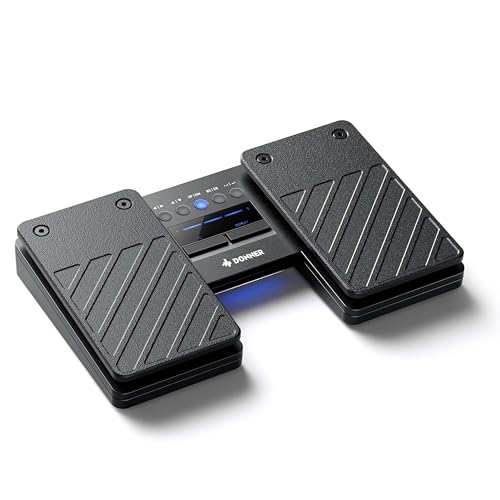
[Free Your Hands For Multi-tasking] Effective range up to 10 m/33ft via Bluetooth 5.0 connection and adapt to multiple systems and apps, allowing control of music, reading, scrolling lyrics, and media control, enhancing convenience and efficiency for various tasks.

【10mm/0.4inch Thick Padding】Donner 47 inch electric bass guitar case is made of durable water-resistant 600D nylon Oxford with 10mm padded sponge, and 210D smooth soft lining fabric. Not easy to rip off and protects your bass guitar from collision and scratches when storing and transporting.
Utilizing Digital Tools for Tracking

Harnessing digital tools can make tracking progress as a musician not only easier but also more fun! With practice tracking apps, musicians can effortlessly log practice sessions, set achievable goals, and monitor their progress. For instance, apps like Soundbrenner combine metronome features and practice logging to help enhance technical skills. These tools often include visualization features, such as charts and graphs, offering immediate feedback on strengths and areas needing improvement. Some platforms even allow shared access to practice notes, fostering collaboration and accountability with teachers or fellow musicians. By utilizing multimedia features, musicians can neatly organize audio recordings, sheet music, and written reflections in one place, creating a creative hub that supports their growth! Additionally, many of these tools offer high-performance preamps that ensure sound clarity during practice, which can greatly enhance the overall learning experience.
Recommended Products

The CFX Premium Grand Piano Voice recreates the power and tone of Yamaha's flagship CFX concert grand piano

Two headphone outputs let you plug both a ¼-inch stereo jack and a 3.5-mm mini-jack

The Pure CF Sound Engine faithfully reproduces the tone of a meticulously sampled, acclaimed Yamaha 9' CFIIIS concert grand piano, allowing for incredibly dynamic and expressive playing.
Making the Tracking Process Engaging
Tracking progress as a musician doesn’t have to feel like a chore; instead, it can be an exciting part of the musical journey! Incorporating creative activities, like using stickers as rewards for achievements, visually motivates musicians. Varying practice routines by exploring different styles keeps the process fresh and fun. Another great idea is to partner with friends to create a shared accountability system, ensuring support and collaboration. Engaging digital tools, such as Soundbrenner, not only help in progress tracking but also enhance the experience with multimedia elements. To make documentation more meaningful, musicians can add personal insights, drawings, or reflections. Additionally, utilizing apps with progress tracking features can provide valuable insights and motivation throughout your musical development. Together, these strategies transform tracking into an enjoyable, enriching experience that inspires growth and creativity!
Frequently Asked Questions
How Does a Musician Track Progress?
A musician’s journey resembles a winding road, where goal setting and a structured practice routine serve as guiding signs. Through performance feedback and regular skill assessments, they nurture creative growth and illuminate their path toward mastery.
Is 27 Too Old to Start a Music Career?
At 27, one is certainly not too old to start a music career. Numerous success stories highlight late bloomers, demonstrating that age barriers can be transcended, fostering personal growth and contributing unique perspectives to the industry.
What Musicians Have ADHD?
Famous musicians like Beethoven and Mozart faced creative challenges fueled by ADHD awareness, using music therapy to navigate their unique minds. Their stories illustrate overcoming obstacles, transforming struggles into symphonies that resonate universally.
Is 25 Too Old to Start a Music Career?
No, 25 is not too old to start a music career. Late blooming musicians often thrive, demonstrating that passion over age redefines career paths. The music industry values creativity and unique perspectives, irrespective of age.


