As an Amazon Associate, we earn from qualifying purchases. Some links on this site are affiliate links at no extra cost to you. Our recommendations are based on thorough research and editorial judgment.

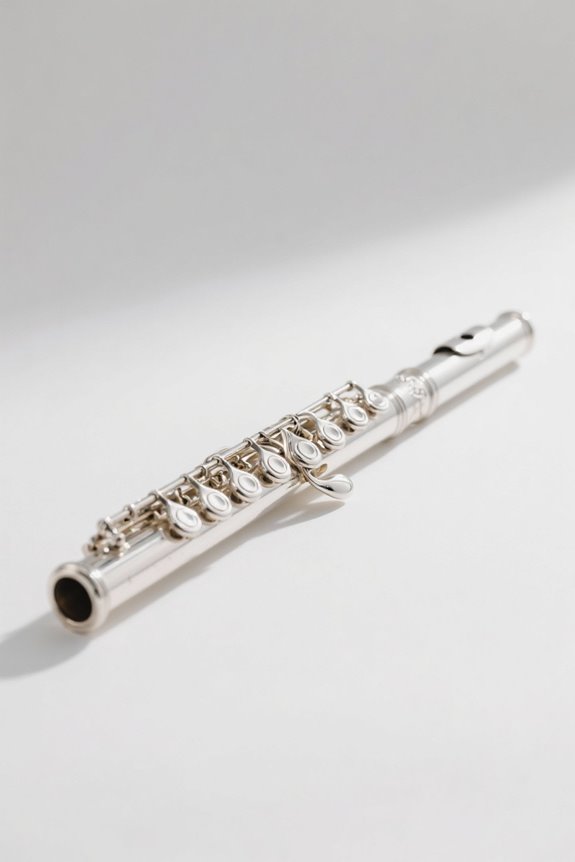
How to Produce Your First Sound on a Flute

To produce your first sound on a flute, start by finding the right embouchure shape. Pout your bottom lip slightly and relax your mouth. Experiment with angles while directing air through the embouchure hole, covering about one-third with your lip. Use your abdominal muscles to create air pressure and adjust your posture for better sound quality. Consistent practice with the headjoint will refine your technique! Stick with it, and soon you’ll discover even more helpful tips for improvement!
Key Takeaways
- Begin by finding the right embouchure shape; pout your bottom lip slightly and avoid excessive smiling or lip curling.
- Position the flute’s lip plate on your chin, ensuring your bottom lip covers about one-third of the embouchure hole.
- Engage your abdominal muscles to create airflow, while maintaining a relaxed posture for better sound quality.
- Experiment with different angles of air direction, using the “poo” shape to aim air downward into the flute.
- Practice consistently with the headjoint and use a mirror to refine mouth positioning and technique.
The Importance of Patience in Learning
Learning to produce sound on a flute can feel like an adventure filled with ups and downs. For many beginners, achieving that first note may take days, while others might find themselves practicing for weeks. This journey requires patience, as developing control over the embouchure and airflow can be quite challenging. It’s common to feel frustrated initially, but consistent practice builds muscle memory and reinforces essential techniques. Embracing the setbacks, rather than fearing them, encourages resilience. Remember, even the most skilled players faced their own struggles. By persisting through the tough moments, beginners will not only improve their sound quality but also discover the joy that comes with making beautiful music! Celebrate those small wins along the way! Additionally, investing in high-quality cables can significantly enhance sound clarity in musical setups, similar to maintaining proper flute technique for optimal sound production.
Finding the Right Embouchure Shape
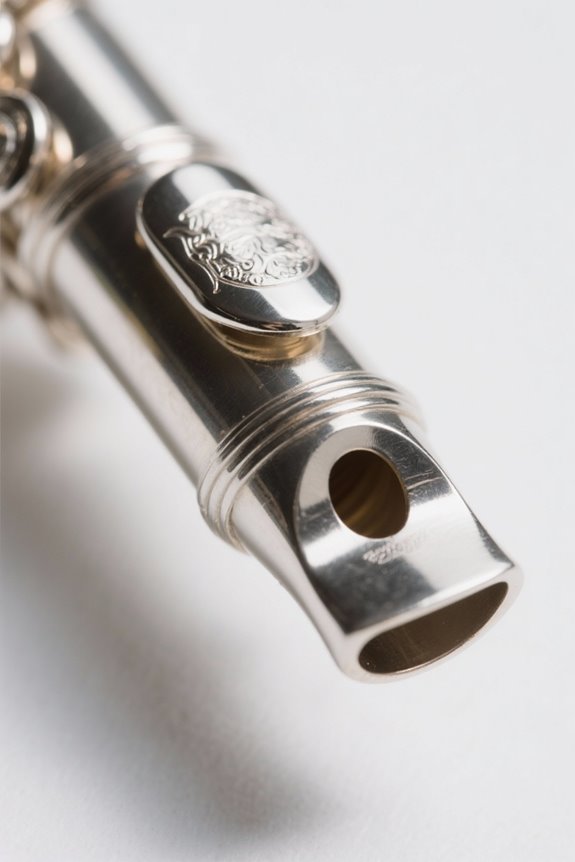
Finding the right embouchure shape can make all the difference when producing sound on a flute. To create this shape, slightly pout your bottom lip while positioning a finger horizontally just below it for guidance. Avoid excessive smiling, curling your lips under your teeth, or overly pursing your lips, as these can block your sound. Instead, practice the “pooh” shape, which helps form the right aperture for directing air into the flute. Your bottom lip should cover about one-third of the embouchure hole, leaving two-thirds open for airflow. Remember to experiment with the angle of your air stream and lip position, as refining these may improve your sound quality. Keep in mind the importance of ergonomic designs to enhance comfort during play, and practice consistently to achieve great sounds!
Recommended Products

PAMPET TruTra Standard Trumpet Training Device Bb Trumpet Training Device Brass Bb Trumpet Instrument for Student Beginner
Facilitates correct and consistent placement of the air column
Mastering Air Direction
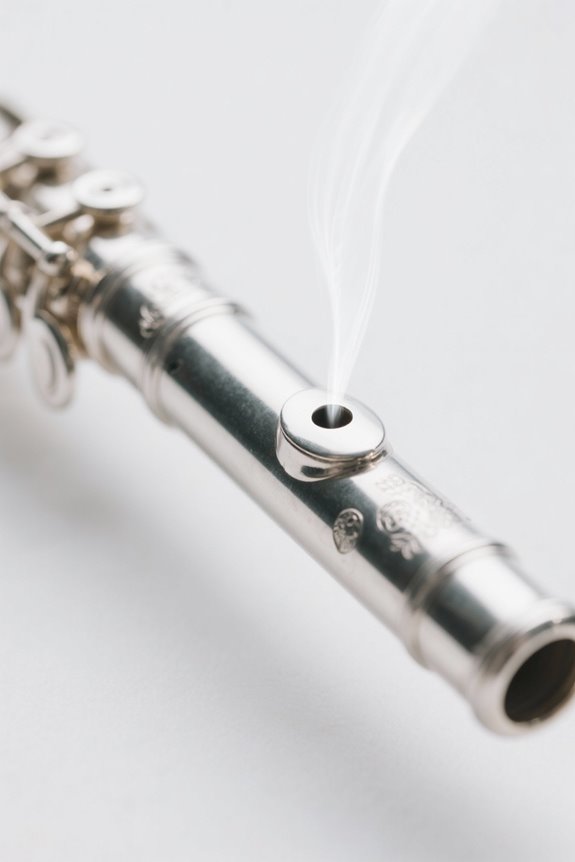
Mastering air direction is key to producing a clear and beautiful sound on the flute. By subtly adjusting the position of the bottom lip, players can guide the air stream towards the embouchure hole without moving their head. Visualizing the trajectory of the air stream can help, as one might imagine blowing a butterfly off their nose! Regular practice can also enhance skill; try balancing a book on your head to maintain posture while developing muscle control. Engaging your abdominal muscles will create the air pressure necessary for ideal sound. Experimenting with different angles of the air stream during practice will help you discover the best direction to produce various pitches and improve the overall quality of sound! Utilizing durable materials in your instrument bag to protect your flute during transport can also enhance your playing experience.
Practicing With the Headjoint
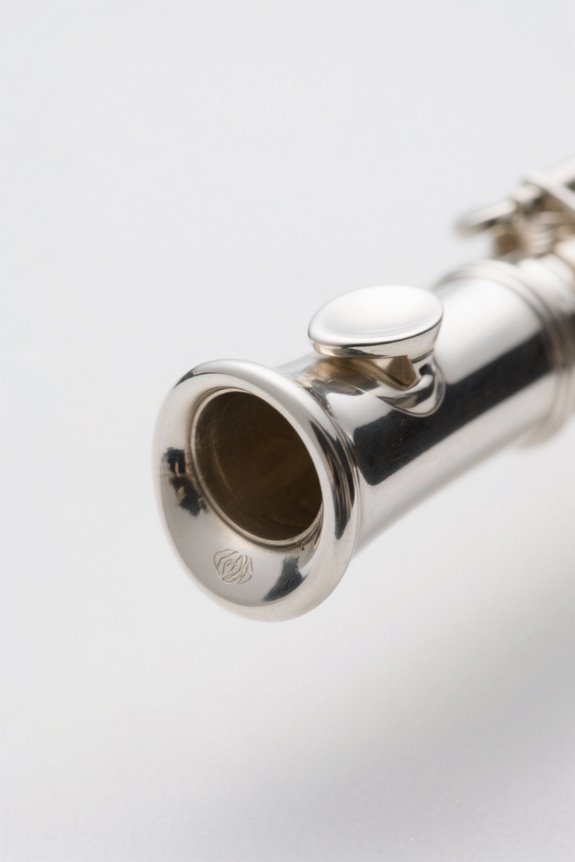
Practicing with the headjoint is an important step for anyone enthusiastic to produce a beautiful sound on the flute. Begin by positioning the lip plate on your chin, making sure the embouchure hole aligns with your bottom lip. Your bottom lip should cover about two-thirds of the hole, allowing a small space for air to flow. When blowing, use the “poo” shape to direct the air at a downward angle; this will help create a clearer sound. Regular practice is key! Don’t hesitate to adjust your finger placement and air direction to explore different pitches and tones. Remember, consistent practice will refine your flute playing technique. Additionally, understanding color coding can enhance your music learning journey. Enjoy the journey to discovering your unique sound!
Recommended Products
PRECISION TOOL FOR GUITAR TECHS: Ideal for installing or adjusting stop tailpieces on Tune-o-matic style electric guitars

Used and trusted by top touring techs and repair shops this 11 pc. set works on most electric, acoustic, and bass guitars including over 40 Guitar Brands such as Fender, PRS, Gibson, Taylor, Epiphone & Ibanez to name a few.

【Package Content】3* Stainless Steel Leveling Rings Pad 6* Key Buttons Clamp 4* Pliers 1* LED Leak Light Tester Lamp 1 * 50ml Alcohol Lamp Burner (Without Alcohol) 1*Spring Hook 1* Double Headed Flat Pad 1* Reverse Tweezers 1*Screwdriver.
Experimenting With Different Sounds
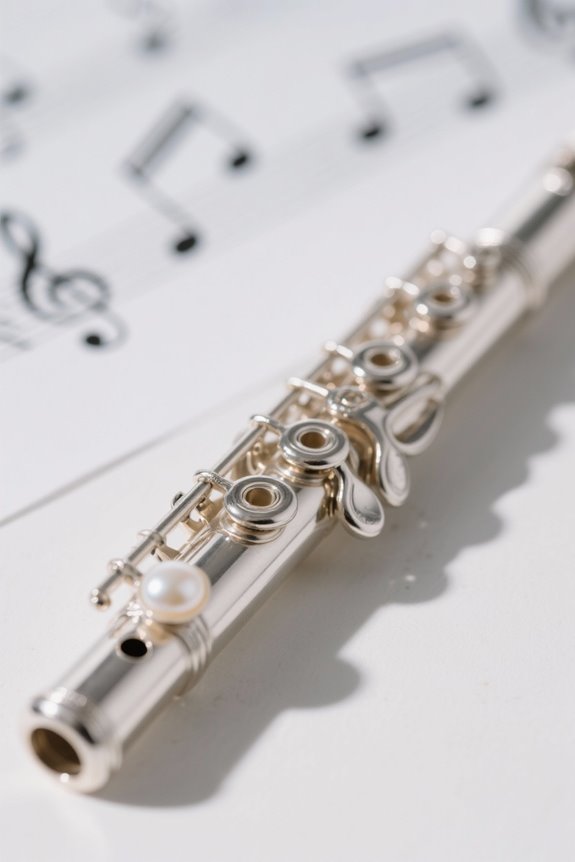
As you explore the world of flute playing, experimenting with different sounds can be incredibly rewarding! To achieve higher pitches, focus on blowing faster air through a smaller opening while adjusting the air stream’s angle. Engaging your abdominal muscles is essential for generating clearer, stronger tones. Additionally, try covering the end of the headjoint. This simple trick can produce richer, lower sounds! Don’t forget to mix different finger placements on the headjoint, as these combinations reveal unique pitches and tones. Finally, get creative! Experimenting with different sounds through simple melodies or even your own original compositions enhances your understanding of sound production and boosts your skills. Incorporating techniques related to tuning stability features can also help you develop a more consistent sound as you progress. Enjoy the journey of discovery as you develop your flute playing!
Developing a Relaxed Mouth Position
The key to achieving a clear and beautiful sound on the flute often lies in the player’s mouth position. A relaxed mouth is essential because tension can block airflow and ruin tone quality. To create the right shape, think about saying “pooh”—this keeps your lips naturally pouted. Avoid excessive smiling or curling your lips under your teeth, as these habits can hinder your sound production. Remember, the bottom lip should cover about one-third of the embouchure hole, allowing for ideal airflow. Regular practice in front of a mirror can help you form this balanced mouth position. With patience and practice, a relaxed mouth will help you produce lovely sounds on your flute! Keep at it! Additionally, much like choosing the right multi effects processor for musicians, finding the perfect mouth shape is crucial for optimal sound production on the flute.
Utilizing Muscle Memory for Consistency
After establishing a relaxed mouth position, players can enhance their flute skills by focusing on muscle memory. Practicing daily strengthens the correct hand and embouchure positions, making it easier to replicate them consistently. Using a mirror during practice is helpful; it allows players to visualize body posture and verify proper embouchure. Furthermore, dedicating focused sessions, like blowing through the headjoint for 10 minutes, can greatly improve muscle control and sound production. Visualization techniques, such as imagining airflow direction, also assist in this integration. Additionally, regularly tracking progress and sound clarity through self-assessment reinforces positive muscle memory. With commitment and patience, players will enjoy consistent improvement and greater confidence in their flute playing journey! Moreover, incorporating techniques from effective kits can inspire innovative practices for sound production on the flute.
Monitoring Sound Quality and Tone
Sound quality and tone are essential aspects of playing the flute, and understanding how to monitor them is key to musical success! To enhance sound quality, position the embouchure hole correctly at the edge of the lower lip, allowing the air stream to hit the opposite edge. A smaller hole formed by relaxed lips offers better sound production and clarity. Practicing around 10 minutes daily helps refine these skills, building muscle memory. It’s important to maintain a relaxed mouth position; tensing or smiling can negatively impact your tone. Remember, relaxation and posture are critical; both greatly contribute to producing a consistent, pleasant sound on your flute. Additionally, incorporating techniques from advanced editing tools can further help you fine-tune your sound as you progress. Keep experimenting, and enjoy the process of discovering your unique tone!
Recommended Products

High-quality material and construction

COMPACT, KID-FRIENDLY DESIGN: Comfortable for young learners to hold and play; silicone keys and short-reach key layout accommodate small hands; appropriate for ages 4 and up

Encouragement for Continued Practice
Encouragement goes a long way in the journey of learning the flute. Many beginners may struggle to produce their first sound on the flute for weeks, but persistence pays off. Practicing regularly, even for just 10 minutes a day, can greatly improve sound production and technique over time. It’s essential to remain relaxed and patient as tension can affect sound quality. Experimenting with different embouchure shapes and air angles is a fun way to find what works best. Engaging with others in the flute community or seeking personalized lessons can provide valuable feedback! Remember, every small step counts, and with dedication, success will come. Keep practicing, and soon you’ll enjoy creating beautiful music! Additionally, just like how tube amplifiers provide warm, rich tones, the sound you produce on the flute will improve with each practice session.
Frequently Asked Questions
How to Make Your First Sound on the Flute?
To make the first sound on the flute, one must master the embouchure technique. This involves aligning the bottom lip with the embouchure hole and directing air into the flute at an ideal angle.
How to Produce Sound in Flute?
Producing sound on a flute requires an effortless finesse; ironically, it demands profound breath control. By adjusting lip positioning and air direction, one can masterfully create a harmonious tone—a true paradox of simplicity and complexity combined.
Is Grade 1 Flute Hard?
Grade 1 flute presents a moderate challenge, especially in mastering flute basics. Beginners often struggle with sound production, requiring patient practice to develop proper embouchure and air control, leading to varying success rates among learners.
Why Is There No Sound Coming From My Flute?
No sound may emerge from the flute due to improper mouth position. Ensuring the bottom lip aligns correctly over the embouchure hole and directing the air stream appropriately can facilitate sound production. Continuous practice aids adjustment.


