As an Amazon Associate, we earn from qualifying purchases. Some links on this site are affiliate links at no extra cost to you. Our recommendations are based on thorough research and editorial judgment.


Your First Guitar Chords: The Essential Open Chords

Open guitar chords are the essential building blocks for any aspiring musician! They make beautiful music with just a few simple finger placements. Key major chords like E, A, and D sound bright, while minor chords like Am, Dm, and Em add emotional depth. Starting slowly and using a metronome will help you master these chords. Practicing regularly builds your confidence! Keep exploring and you’ll reveal even more exciting sounds soon!
Key Takeaways
- Start with major chords like E, A, and D for a bright, cheerful sound essential in many songs.
- Incorporate minor chords, such as Am, Dm, and Em, to add emotional depth to your music.
- Focus on proper finger placement and clarity to ensure each note rings out while practicing.
- Utilize a metronome and repeat chord progressions to build confidence and improve timing.
- Explore online resources like chord charts and guitar communities for visual aid and support in learning.
Understanding Open Guitar Chords
Open guitar chords serve as the building blocks for any aspiring musician, offering a way to create beautiful music right from the start. These chords use unfretted strings, producing a rich sound that fits many genres. With around 24 basic guitar chords, beginners can easily learn popular ones like E, A, and D, which sound bright and cheerful! Essential minor chords like Em, Am, and Dm bring emotional depth, too. To master these open chords, understanding chord diagrams is vital. These diagrams visually show where to place fingers and which strings to strum. Practicing these foundational chords helps in jamming and songwriting. Additionally, experimenting with different pick thicknesses can enhance your overall playing experience as you strum these chords. So, grab your guitar and start exploring the world of open chords—you’ve got this!
Essential Major Chords

Essential Major Chords
Guitar playing blossoms with essential major chords, which form the heart of countless songs. Among the most important are the E Major Chord, A Major, and D Major Chord. The E Major Chord is played by pressing your index finger on the first fret of the third string, allowing you to strum all six strings for a rich sound. Next, the A Major chord requires you to press the second fret of the D, G, and B strings with three fingers. Remember to strum from the fifth string down! Finally, the D Major chord creates a bright and optimistic feel, placing the first finger on the second fret of the G string, strummed from the fourth string down. Master these, and you’re on your way to exploring short scale guitars that offer easier playability for beginners!
Recommended Products

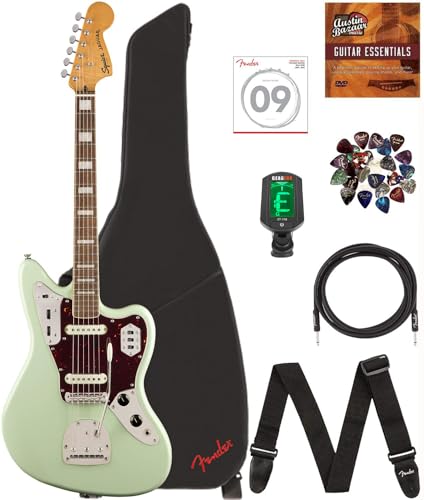
A DiMarzio hum bucking DP103 PAF 36th Anniversary neck pickup and DP100 Super Distortion bridge pickup deliver legendary tone

2 humbuckers that provide detailed and full sound
Essential Minor Chords

Exploring essential minor chords opens up a world of expressive possibilities for budding guitarists. Three key chords to learn are A minor, D minor, and E minor. The A minor chord (Am) shapes up with the index finger on the first fret of the B string and the other fingers filling in the D and G strings. D minor (Dm) requires both the index and two other fingers positioned across both low and high strings. E minor (Em) stands out as one of the simplest, needing just two fingers on the A and D strings! Mastering these essential minor chords enhances emotional expression in music, allowing guitarists to convey a range of feelings in their playing. Additionally, utilizing a durable materials guitar chord chart can significantly aid in your learning process. Keep practicing!
Tips for Practicing Open Chords
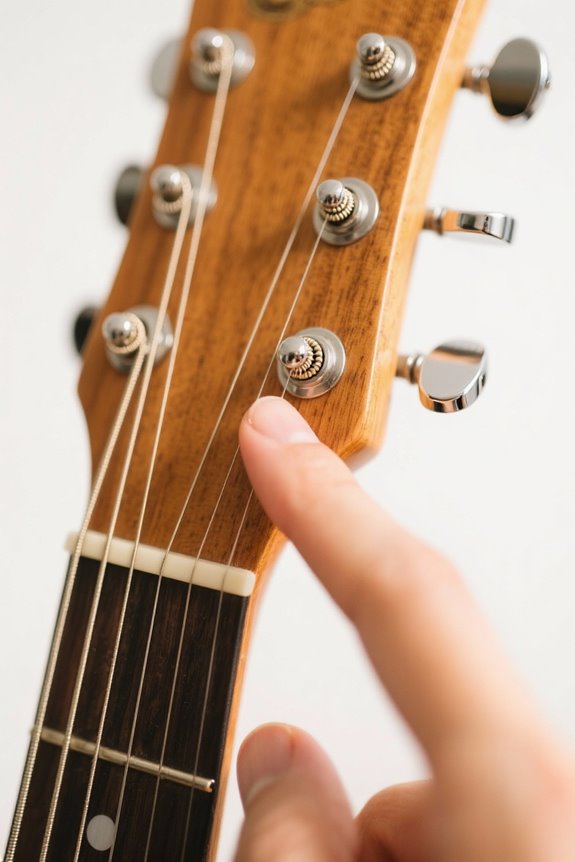
After becoming familiar with minor chords, it’s time to focus on open chords, which form the backbone of many songs. To effectively practice these chords, beginner guitarists should prioritize clarity and proper finger placement. Start slowly, ensuring each note rings out clearly before increasing speed. Utilizing a metronome can enhance timing, helping maintain a consistent strumming pattern. Repeating specific chord progressions multiple times reinforces memory, building confidence in playing essential guitar chords. Concentration on clean shifts between chords is key, leading to a fuller sound as they advance. Remember, practice makes perfect! As you work on these techniques, you’ll notice your skills improving, making your playing experience even more enjoyable and rewarding. Additionally, exploring various music styles can inspire creativity and keep your practice sessions engaging. Happy strumming!
Resources for Learning Open Chords

What are the best ways to learn open chords effectively? One excellent resource is the “Guitar Chord Bootcamp: Open Chords,” which covers 24 essential guitar chords. This program includes techniques and exercises to boost skills. For beginners, free introductory lessons can provide a solid foundation for learning these chords. In addition, interactive guitar chord charts are available online. These charts show finger placements and chord structures, making practice more visual and engaging. Students can also explore specialized chord charts for different genres like blues, rock, and jazz. Ultimately, joining guitar communities allows members to share tips and resources, enriching the learning experience. Additionally, look for apps that offer comprehensive lesson plans, as they can greatly enhance your practice. Embrace these tools, and enjoy your journey into the world of open chords!
Frequently Asked Questions
What Are the Essential Open Chords on a Guitar?
The essential open chords on a guitar comprise basic chord shapes like E major, A major, D major, C major, and G major. Mastering strumming patterns and shifting smoothly between these chords enhances a guitarist’s overall skill.
What Is the Forbidden Chord on Guitar?
The forbidden chord on guitar, often referred to in history as the F major chord, embodies chord theory basics while exploring dissonant sounds. Its complex barre technique challenges beginners, contributing to its reputation as an intimidating hurdle.
What Are the 4 Essential Guitar Chords?
The four essential guitar chords are E Major, A Major, D Major, and G Major. Mastering these enables beginners to explore basic chord progressions and popular strumming patterns, forming a solid foundation for further guitar techniques.
What Is the 7 Chord Rule?
The seven chord rule encompasses chord progression basics, utilizing seven chord types to create harmonious music. Musicians often employ various guitar tuning methods to enhance their playing, ultimately enriching the emotional resonance of their compositions.


